10 Years of Zentokan Dojo
Looking back — and forward — as we continue on the path.
By Michael Shane
"I'm starting a study group for a Japanese sword art. You should really come check it out."
Zach Biesanz and I had bonded as training partners on the mat of the New York Aikikai due to our shared interest in the more esoteric — or some might say original — physical foundations of aikido. We were searching for similar things, namely the right path for practical internal cultivation, and our shared approach to the art quickly created a sense of respect, camaraderie, and trust.
So, needless to say, he had me at "Japanese sword art".
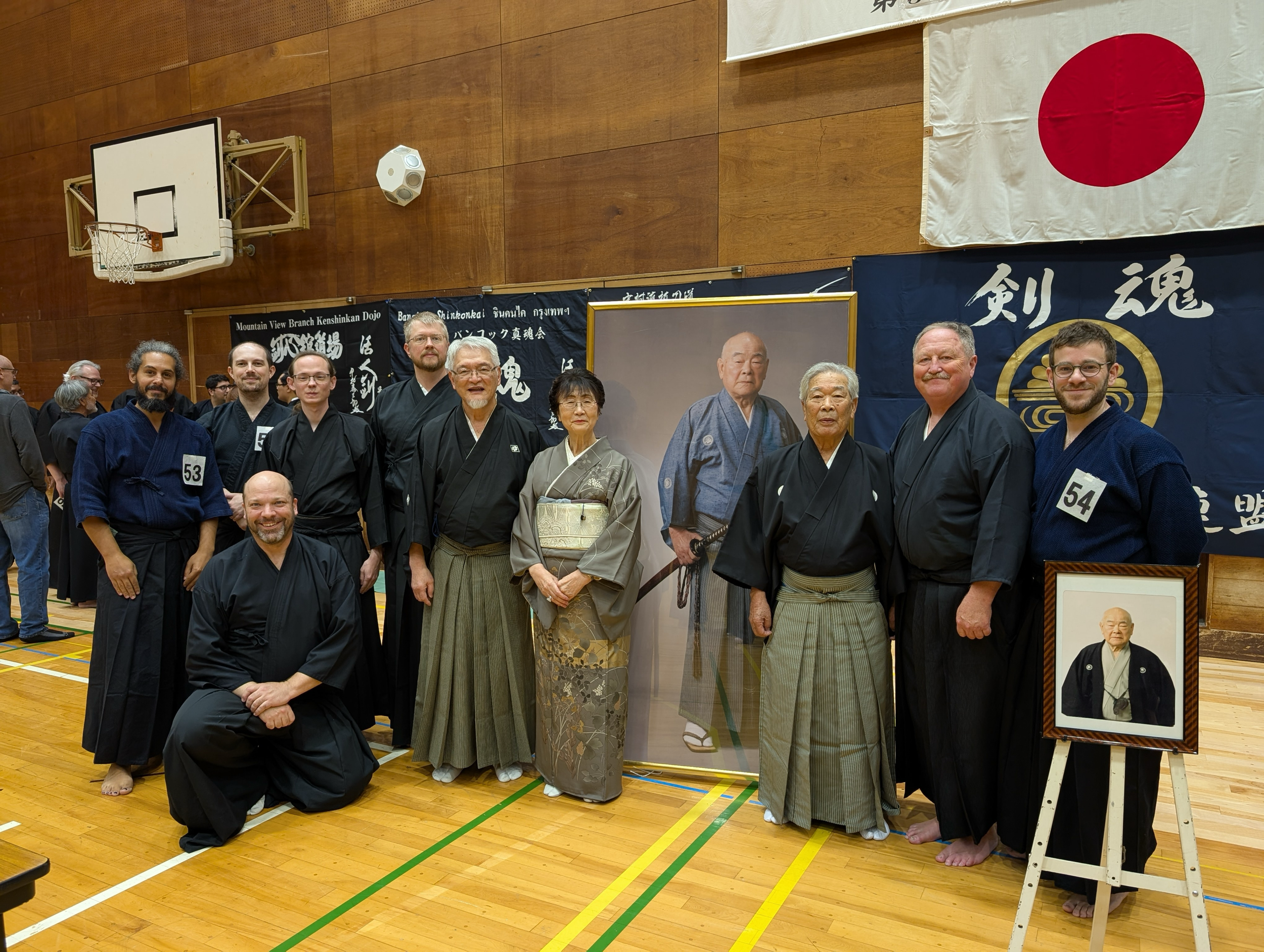
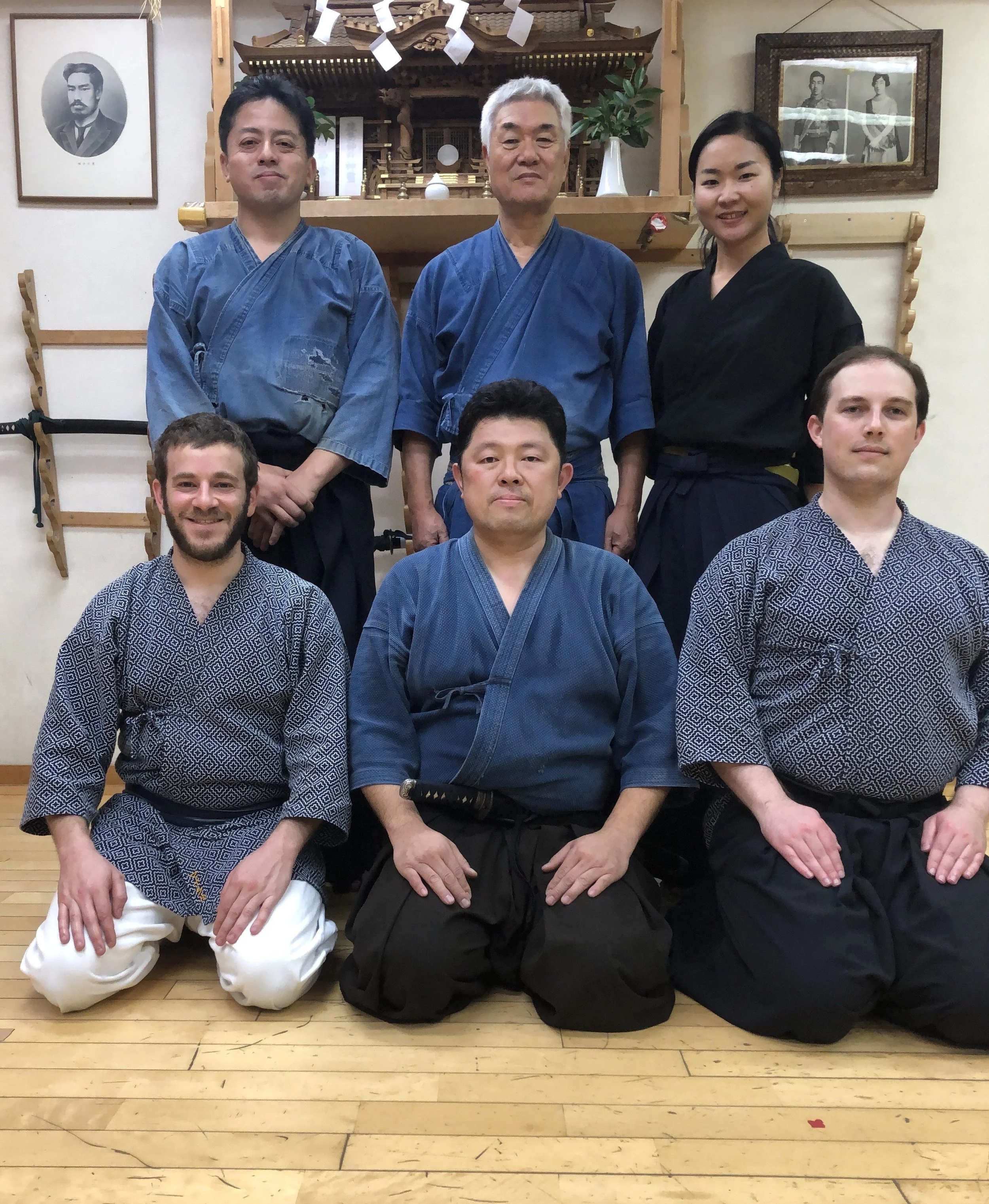
A dojo is not a place. Although a dojo occupies space, it is not defined by its architecture or its address. A dojo begins beneath the feet of one person and persists when a community develops around shared practice under sincere and selfless guidance. Nothing about modern life is set up to make this convenient or easy, and in some ways it's a miracle that serious dojos offering authentic training manage to survive at all. The hombu (headquarters) dojo of the Nakamura Ryu has operated out of a middle school gymnasium in Tsurumi (in Yokohama) for decades. Every senior teacher that guides Zentokan dojo today, across multiple organizational affiliations in Japan and abroad, can trace their practice back to that gymnasium, and there is a direct path from that neighborhood in Yokohama to the creation of Zentokan in Brooklyn. This is how traditional Japanese arts persist; not through commercial scaling or growth hacking but through trust and direct transmission.
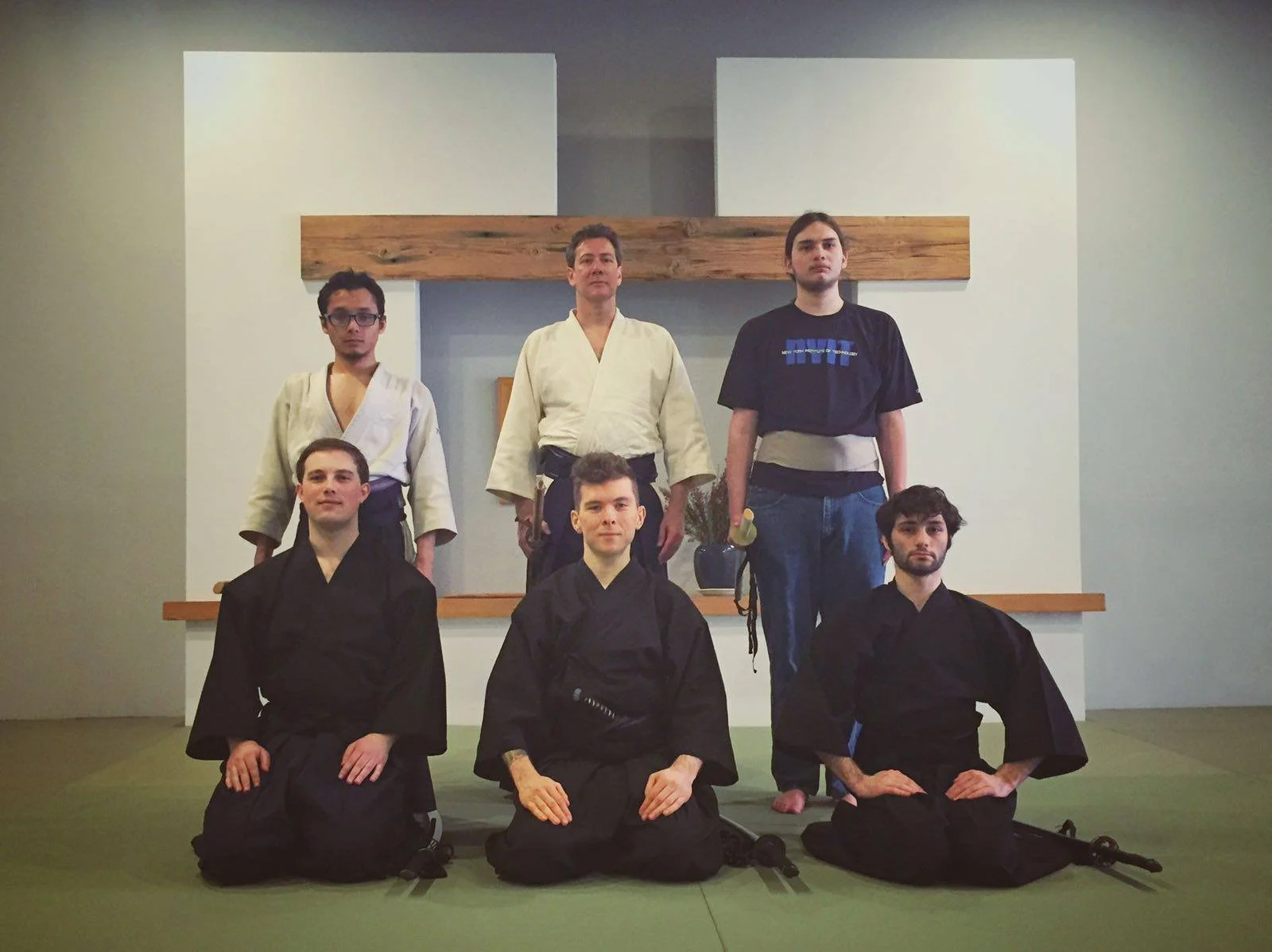
The first class of the Brooklyn Battodo Study Group (April, 2016)
Zentokan began with a handful of curious students on the mat of an aikido school in Gowanus, Brooklyn in early April, 2016 after Sang Kim sensei, head of the Byakkokan Dojo in Manhattan, gave his student Zach Biesanz permission to form a new study group in Brooklyn. From the start, Zach sensei cultivated an atmosphere where everyone was welcome. The maxim on the mat has always been, "we take the training seriously, but we don't take ourselves too seriously." Without his initiative and Kim sensei's support, Zentokan would not exist. I am forever grateful to them both for their generous guidance, collaboration, and friendship.
We would go on to spend almost 10 years training inside of Aikido of Park Slope, a large, beautiful, and joyful aikido dojo that has been operating for decades. We won the lottery, really. There's no better way to say it. We were so fortunate that our schedules aligned for nearly a decade, and the partnership we created with Aikido of Park Slope offered Zentokan the security and stability it needed to focus on training and build a strong foundation that continues today.
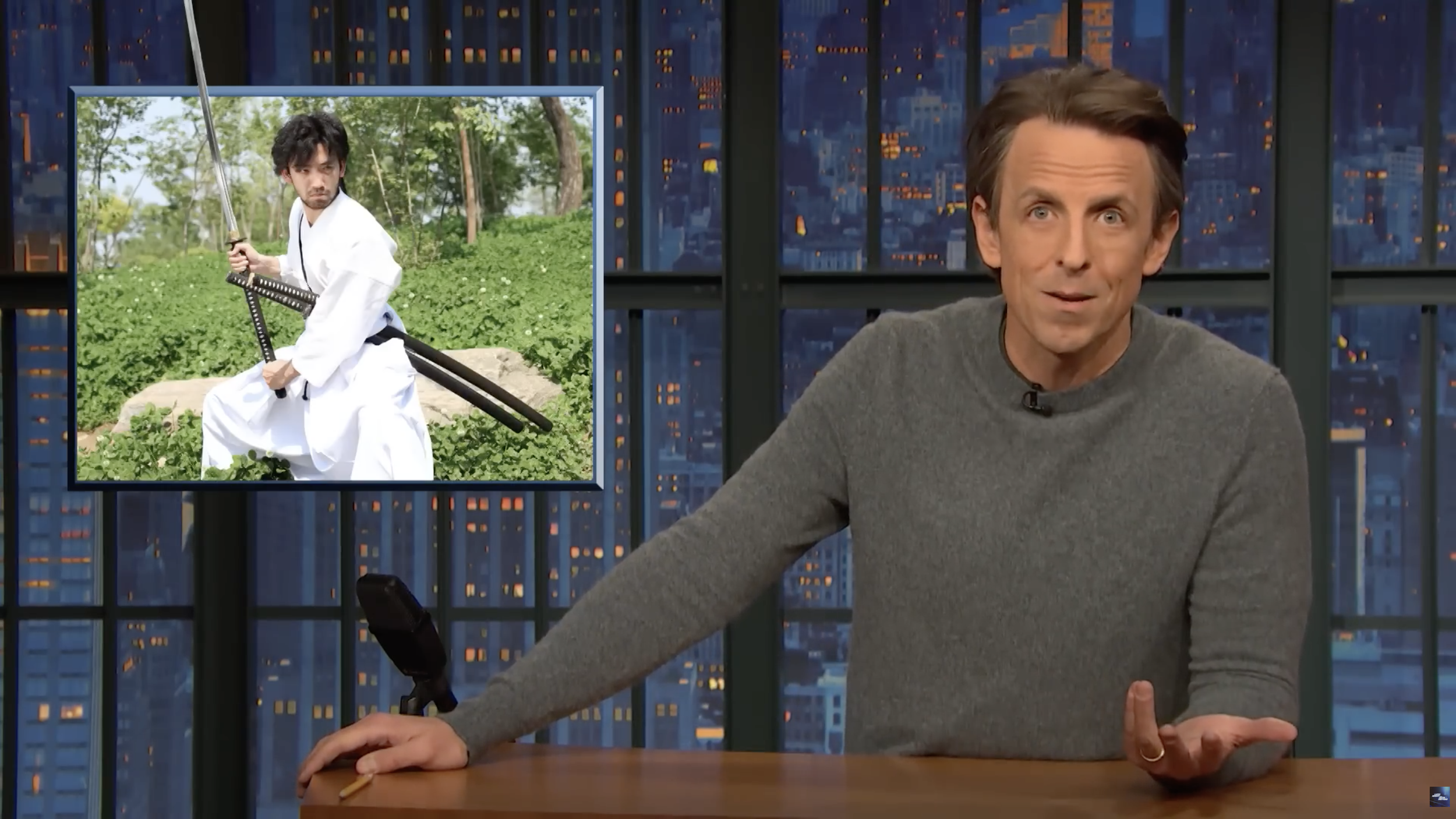
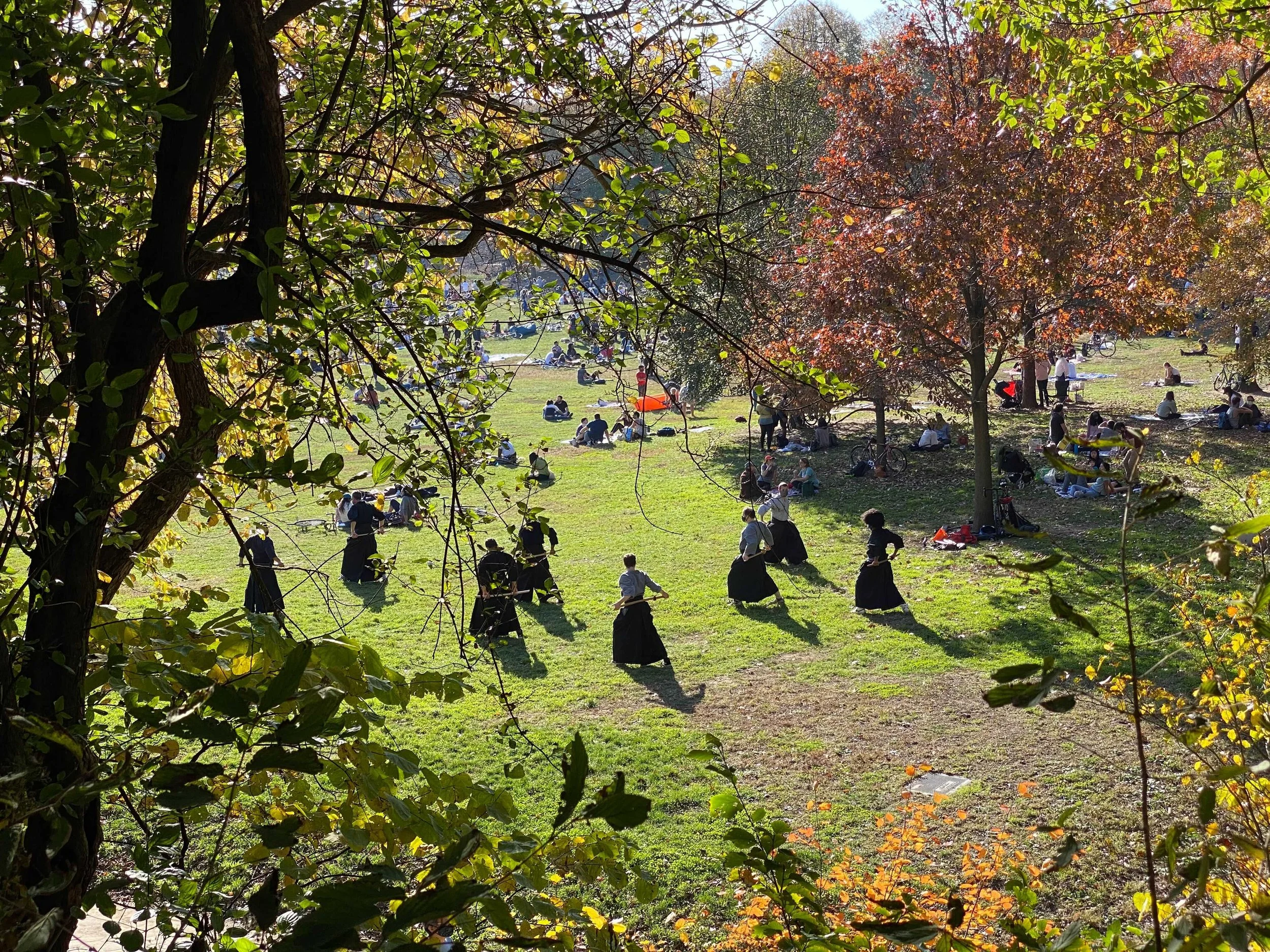
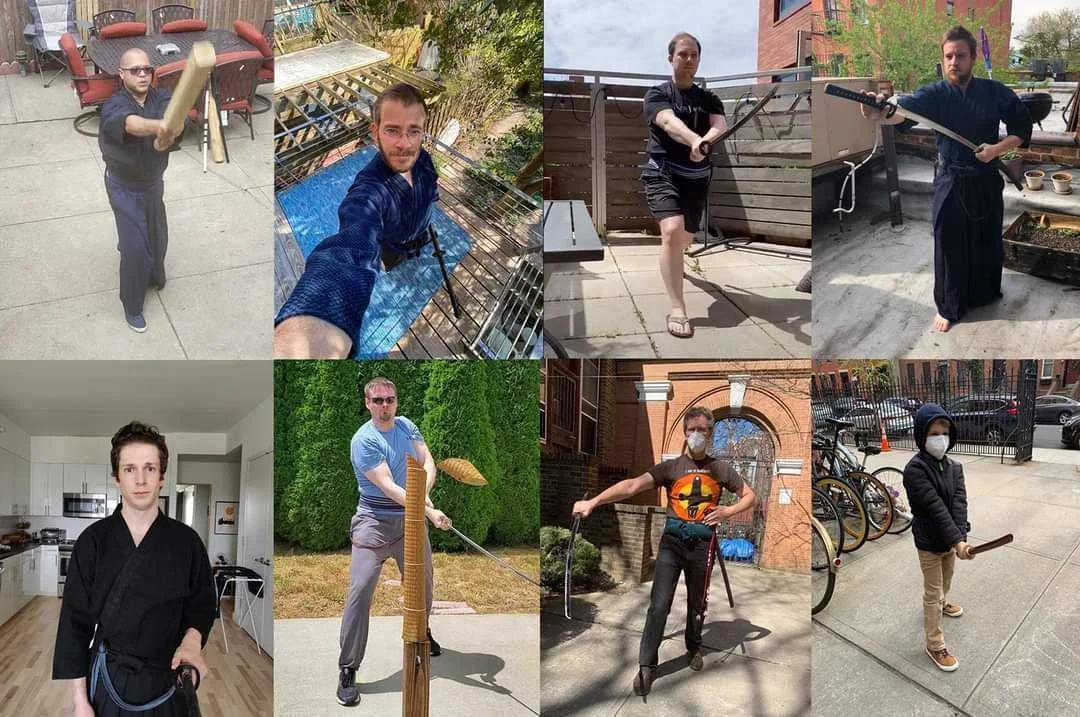
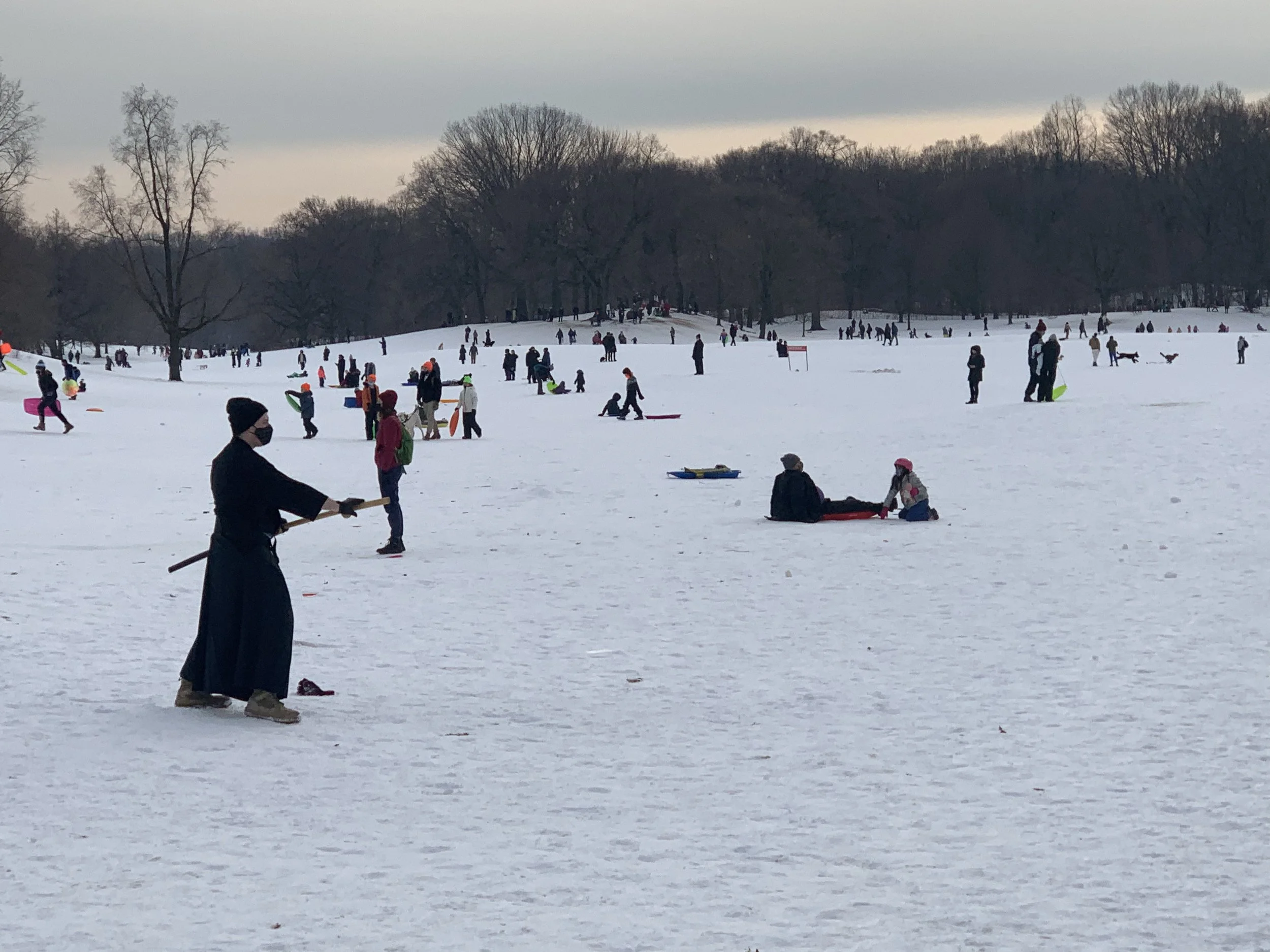
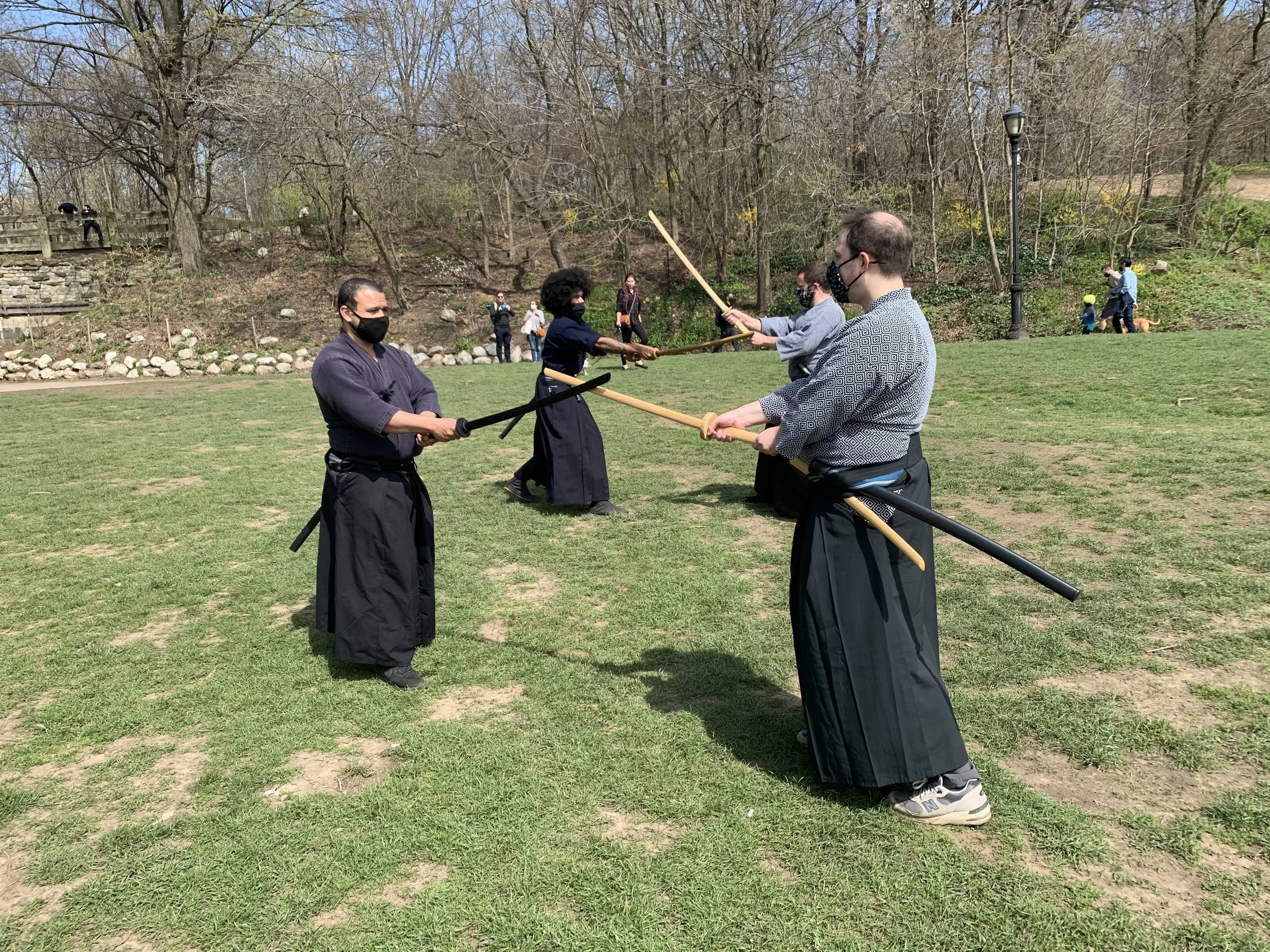
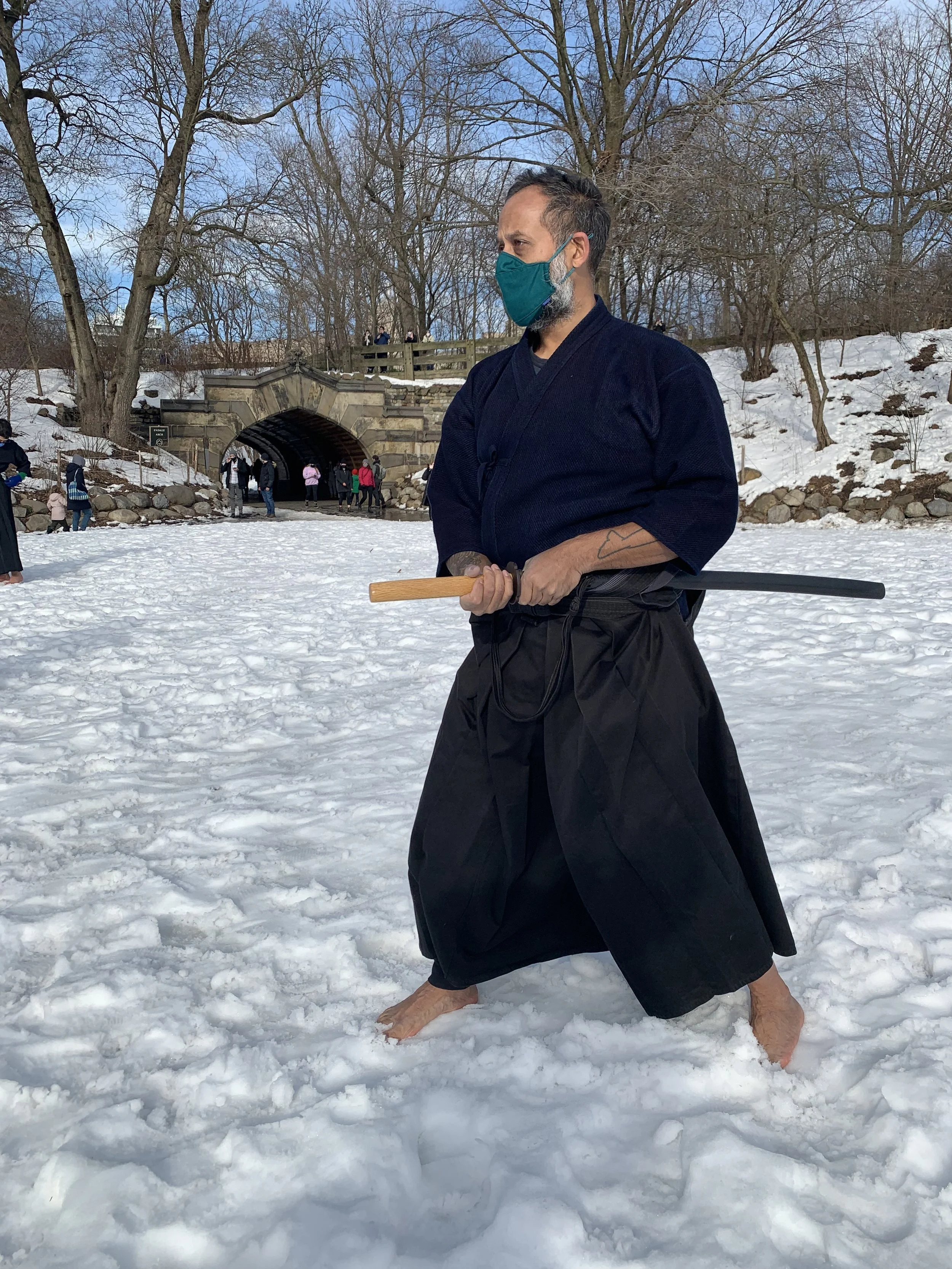
When the COVID pandemic arrived in early 2020, forcing the closure of the physical dojo, we began training in Prospect Park, which would become our home for a year and a half. Rain, snow, or shine, we were (mostly) there, bokken in hand, training. We even made it on the Seth Meyers show (we think — you be the judge).
We always joked that training in the park was great advertising, but the truth is the real benefit was how it bonded us as a group navigating such a scary, disruptive, and unprecedented experience in New York City. I am grateful — to Zach sensei and to every person who was training at the time — that the dojo emerged from the pandemic stronger that it had ever been.
In hindsight I think Zentokan made it through the pandemic intact because ultimately our dojo has always been a place for real shugyo — deep training. That doesn't mean we don't have fun (we have so much fun), but when a practice is more than a hobby, when it becomes woven into how you move through the world each day and supports you with a community, a pandemic is powerless to really stop it. Only the individual can make that choice. I hope that everyone who trained with us during such a challenging time felt this sense of empowerment each time they pulled on their hakama under that tree in the meadow by the Endale Arch.
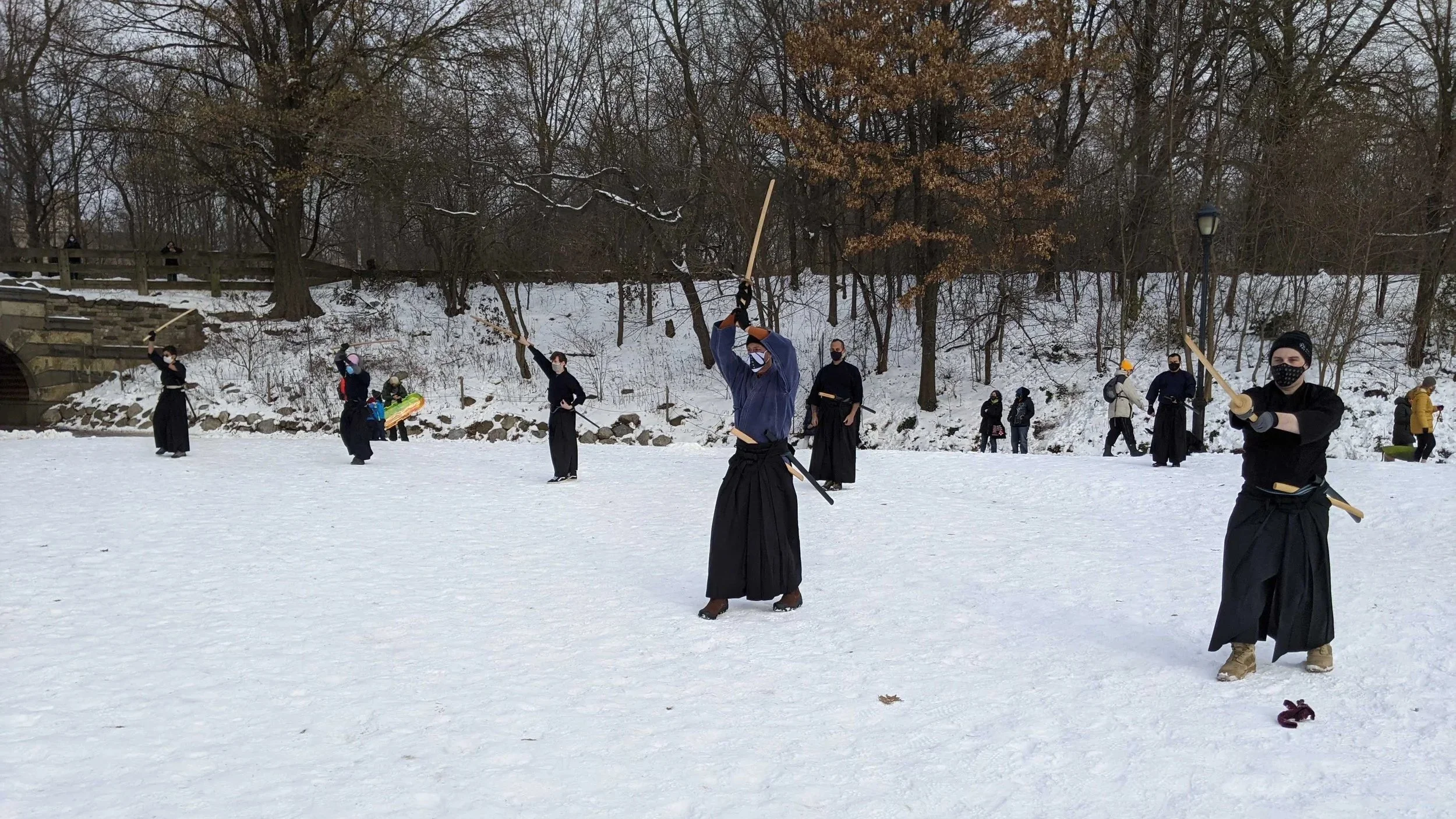
Training in Prospect Park (January, 2021)
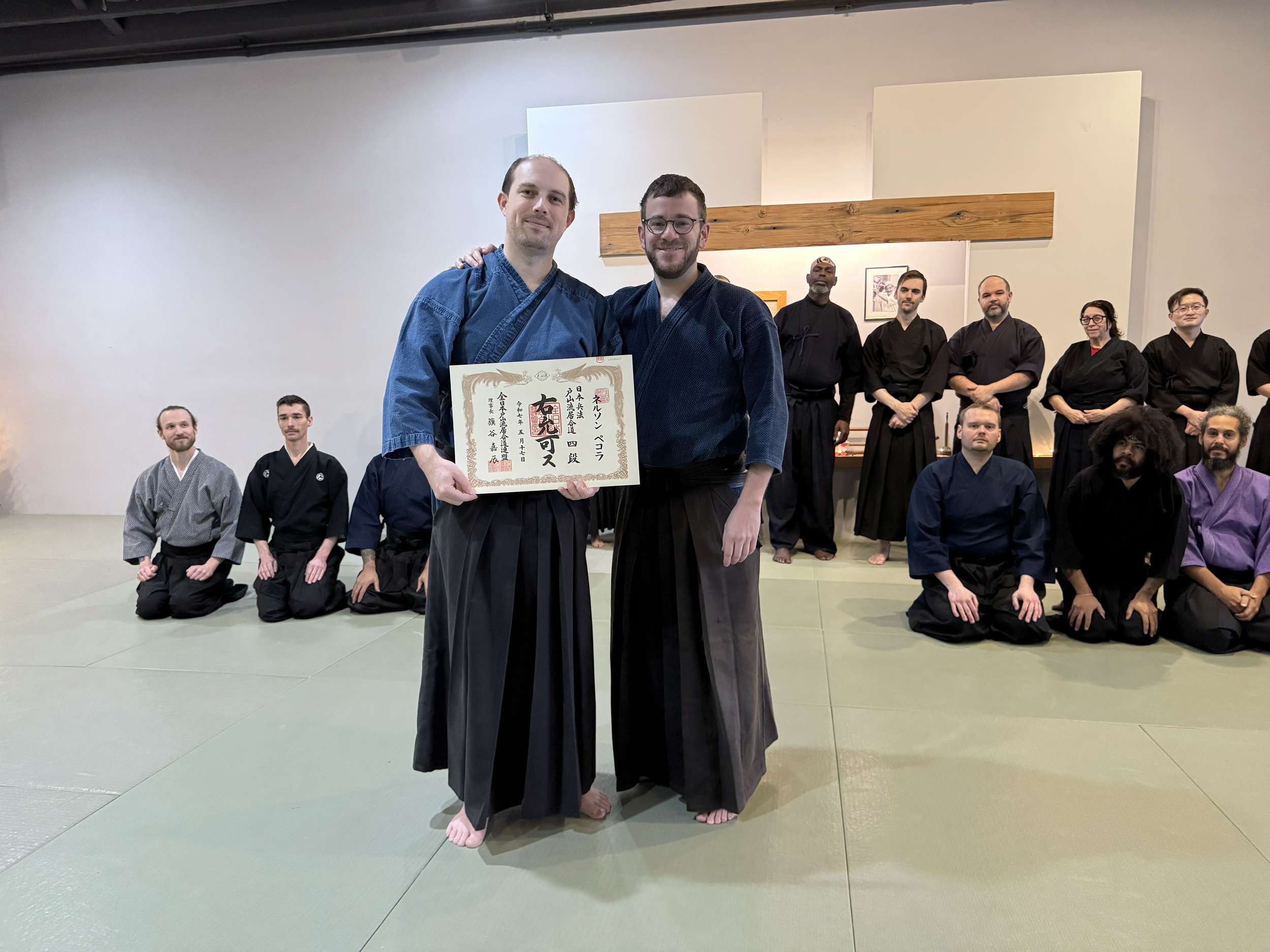
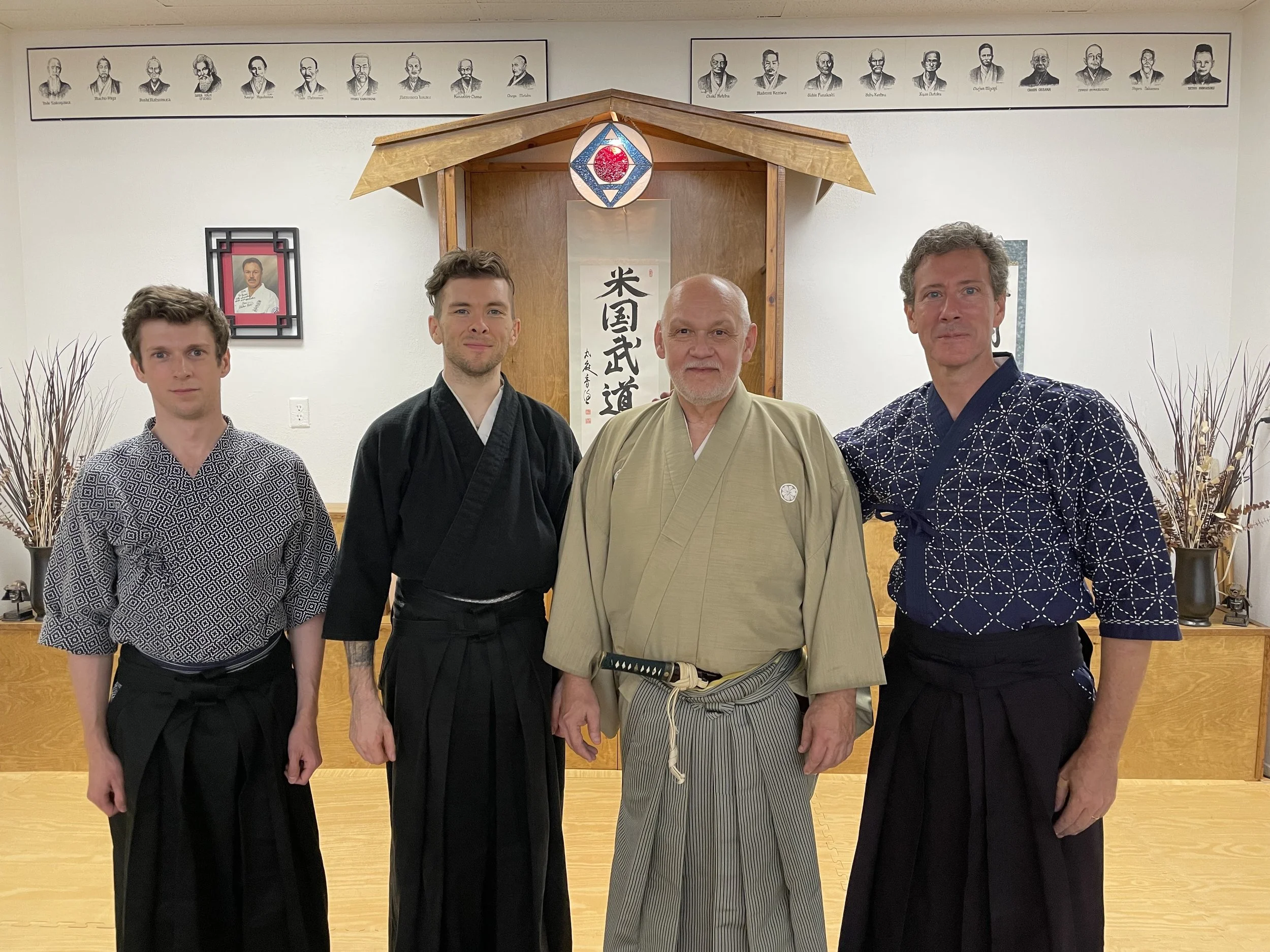
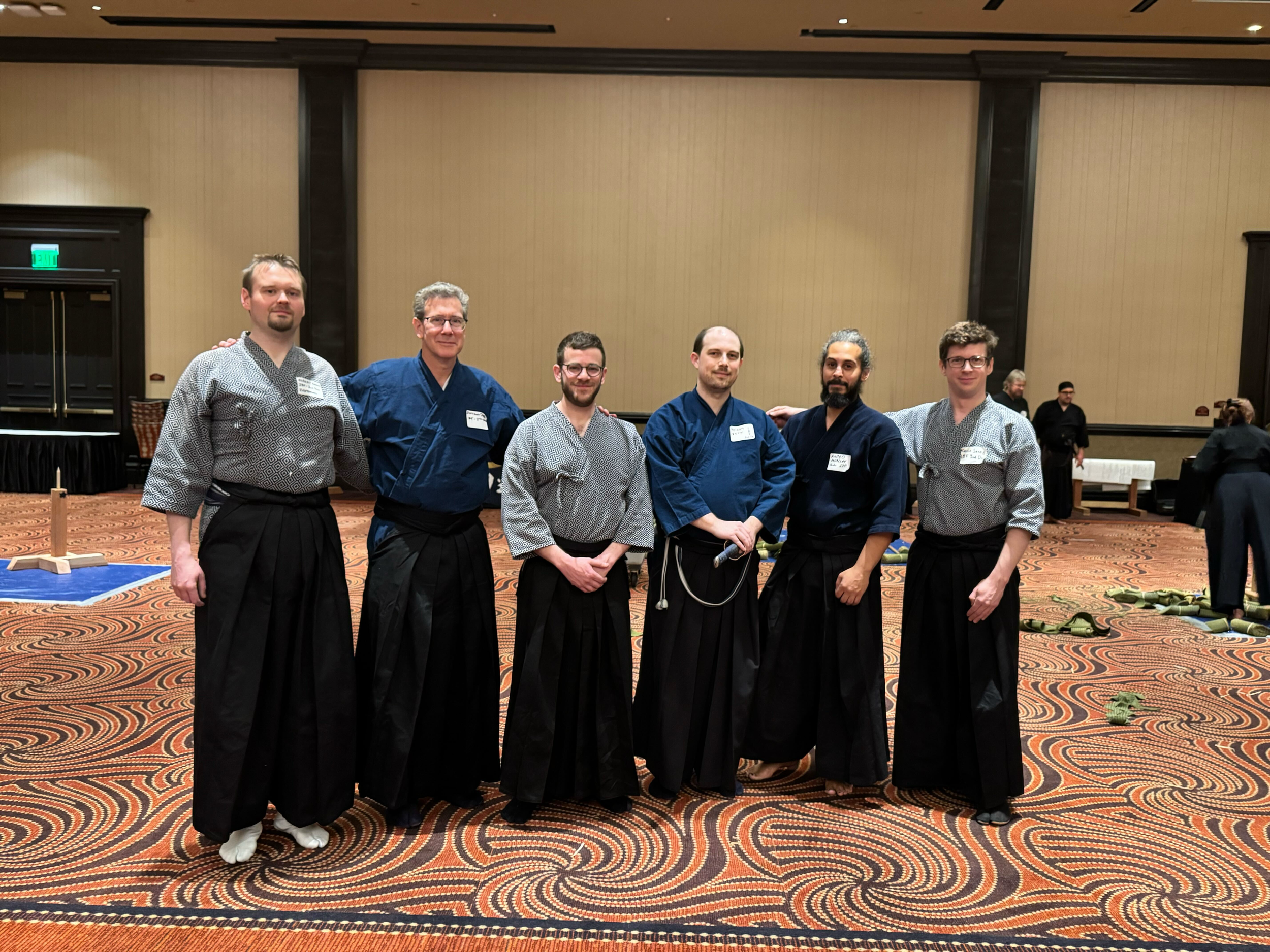
In 2022, as the immense danger of the early days of COVID started to recede for most people, Zach sensei decided to return to his home state of Minnesota for an exciting professional opportunity. He also decided to leave Zentokan in my hands as Chief Instructor, with the capable help of our assistant instructors, to work with me as partners in operating our school. Since then, we have remarked countless times that we don't know how Zach sensei did it alone for six years. We still don't have an answer, but what I do know for sure is that without the teamwork and contributions of Nelson, Anthony, Kevin, and senior students like Robert and Ravi, the dojo would not be where it is today.
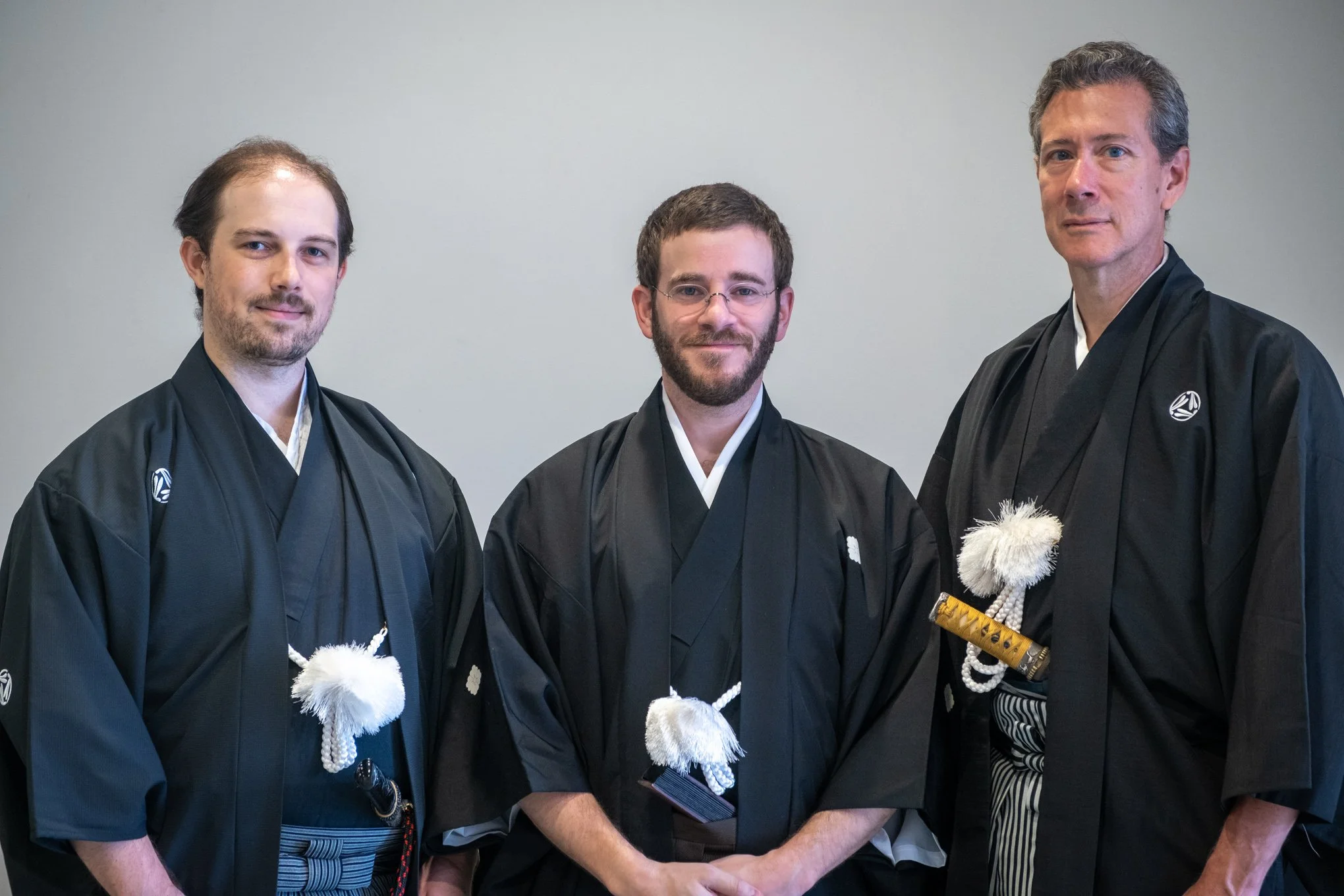
Nelson Pecora, Michael Shane, Anthony Deen
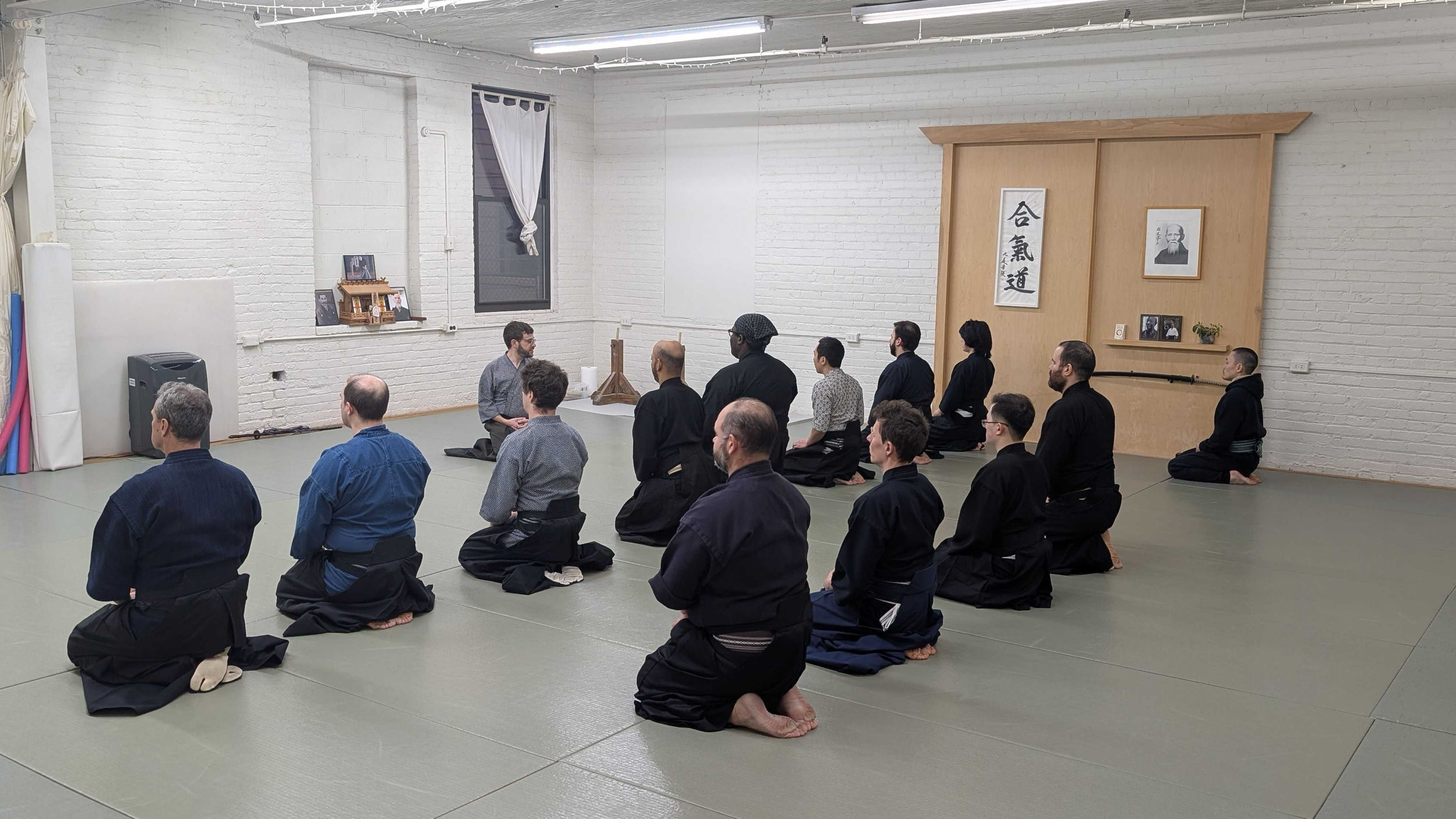
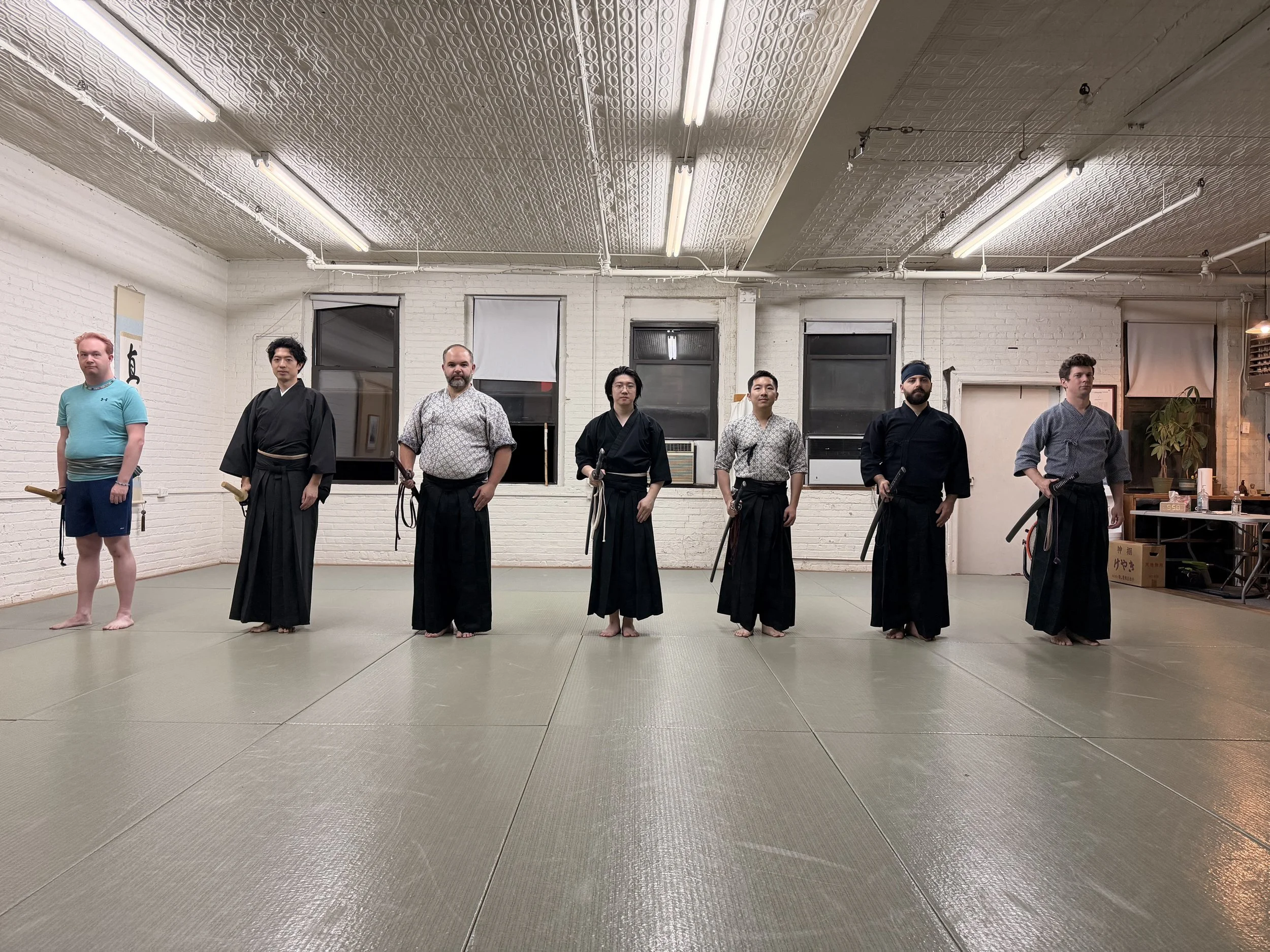
Settling in to the new location on Dean Street
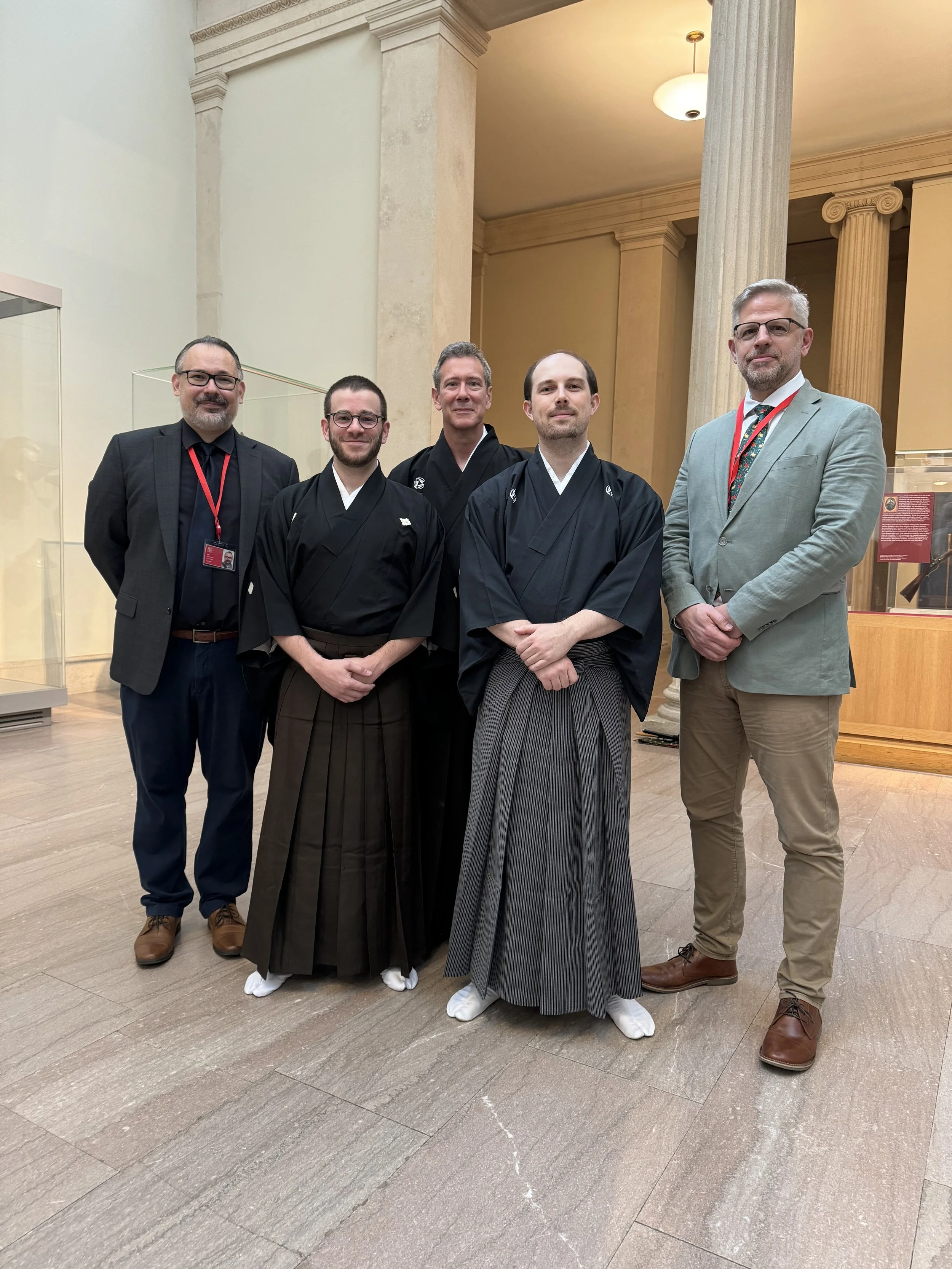
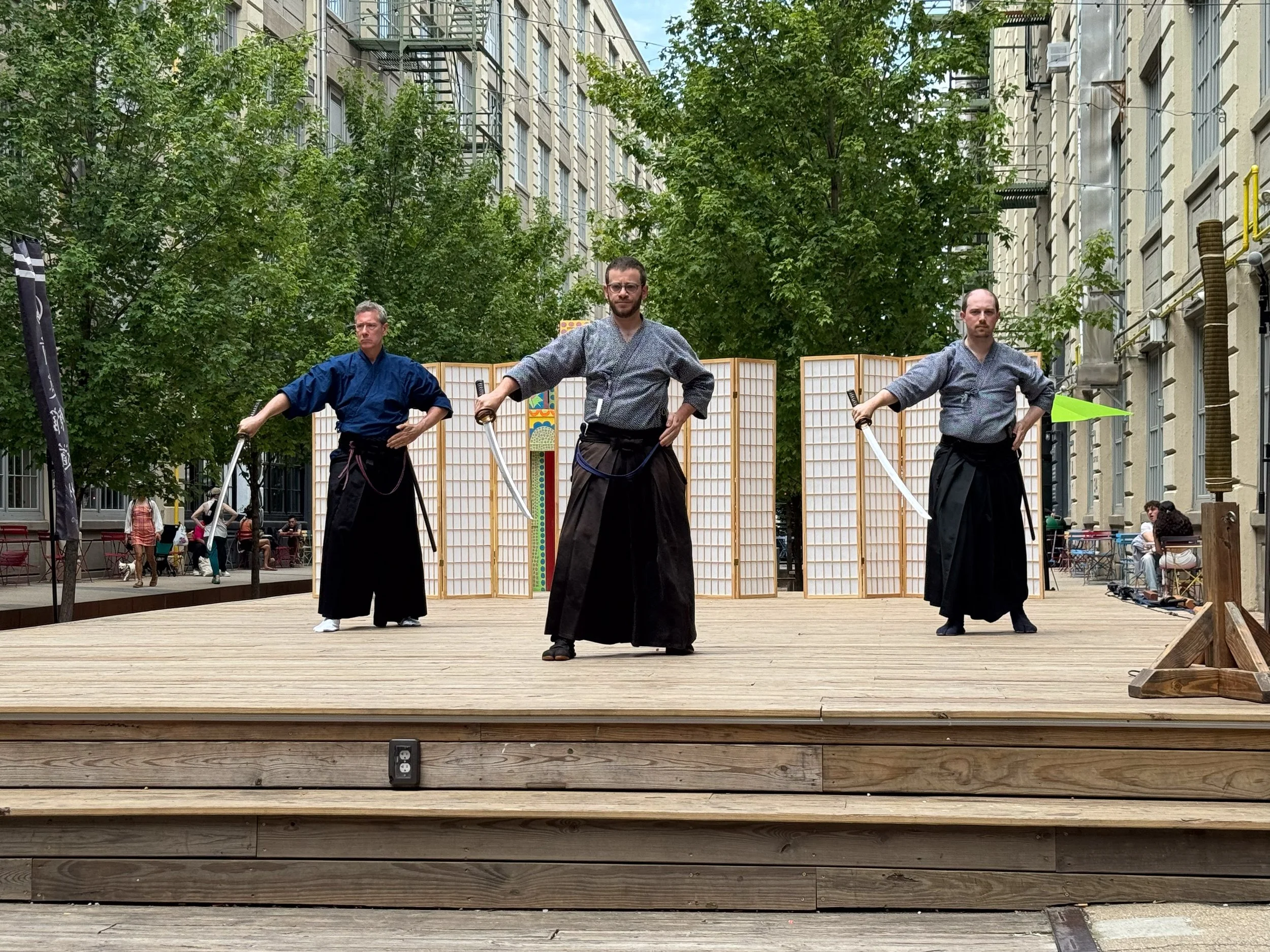
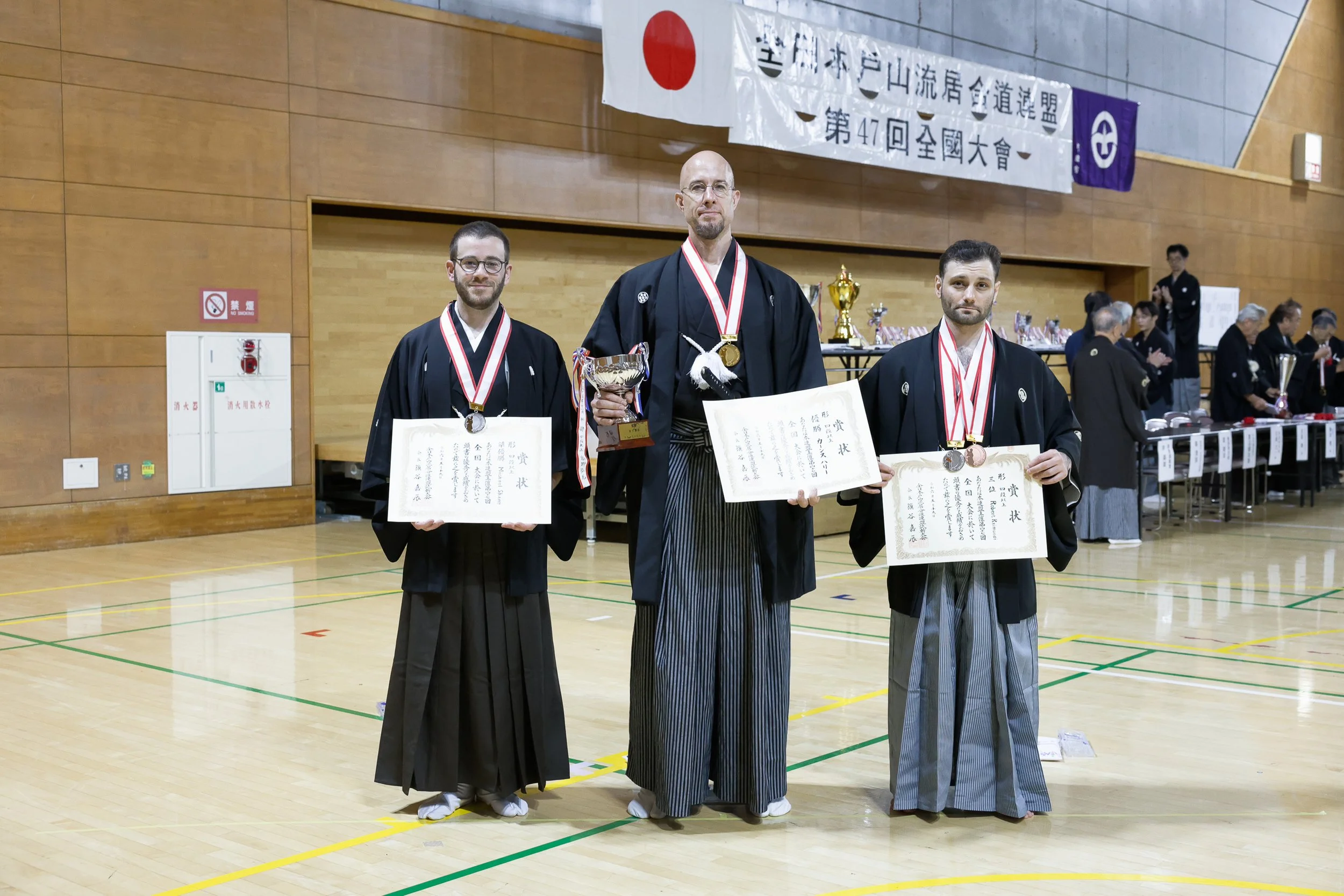
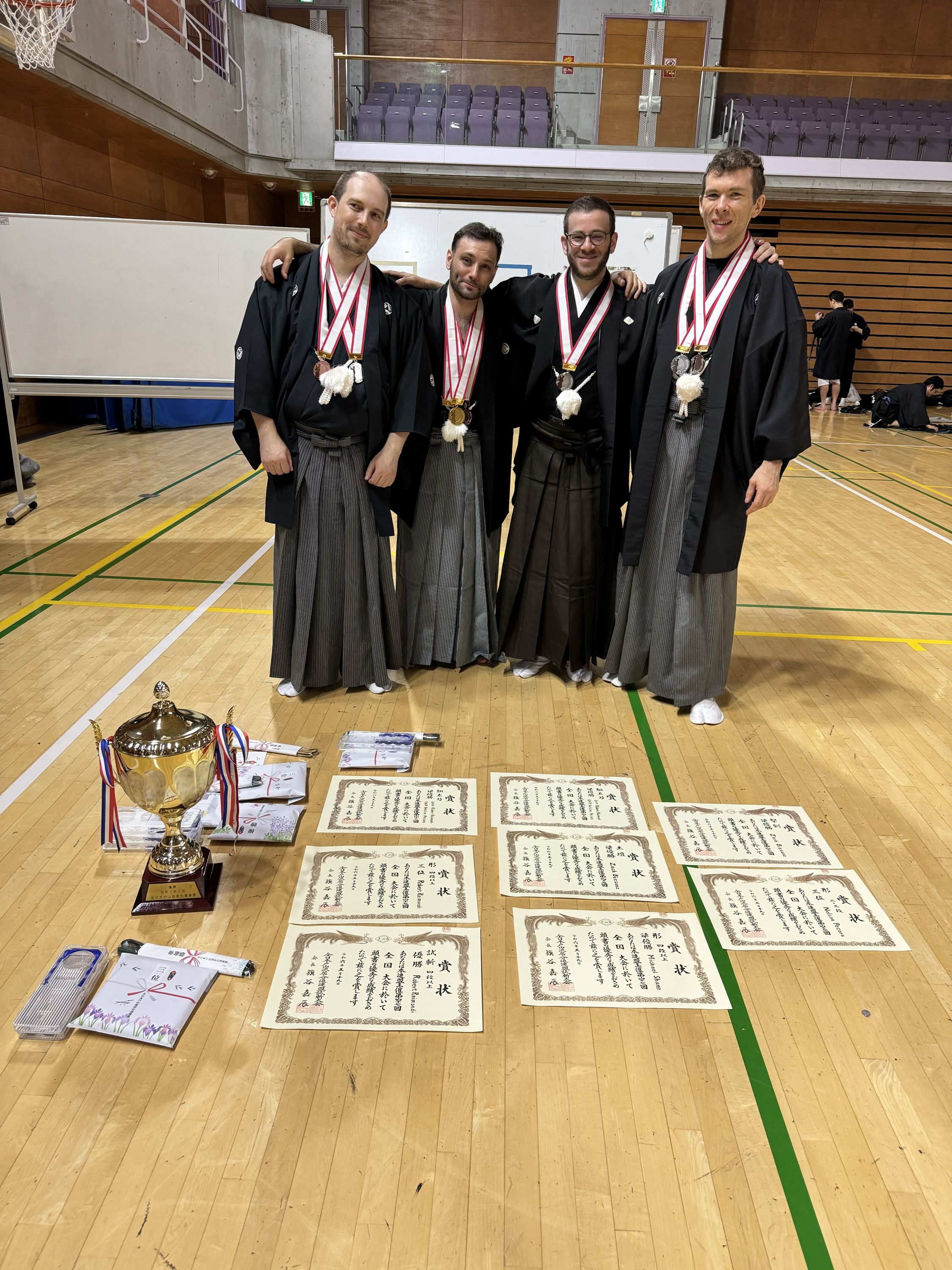
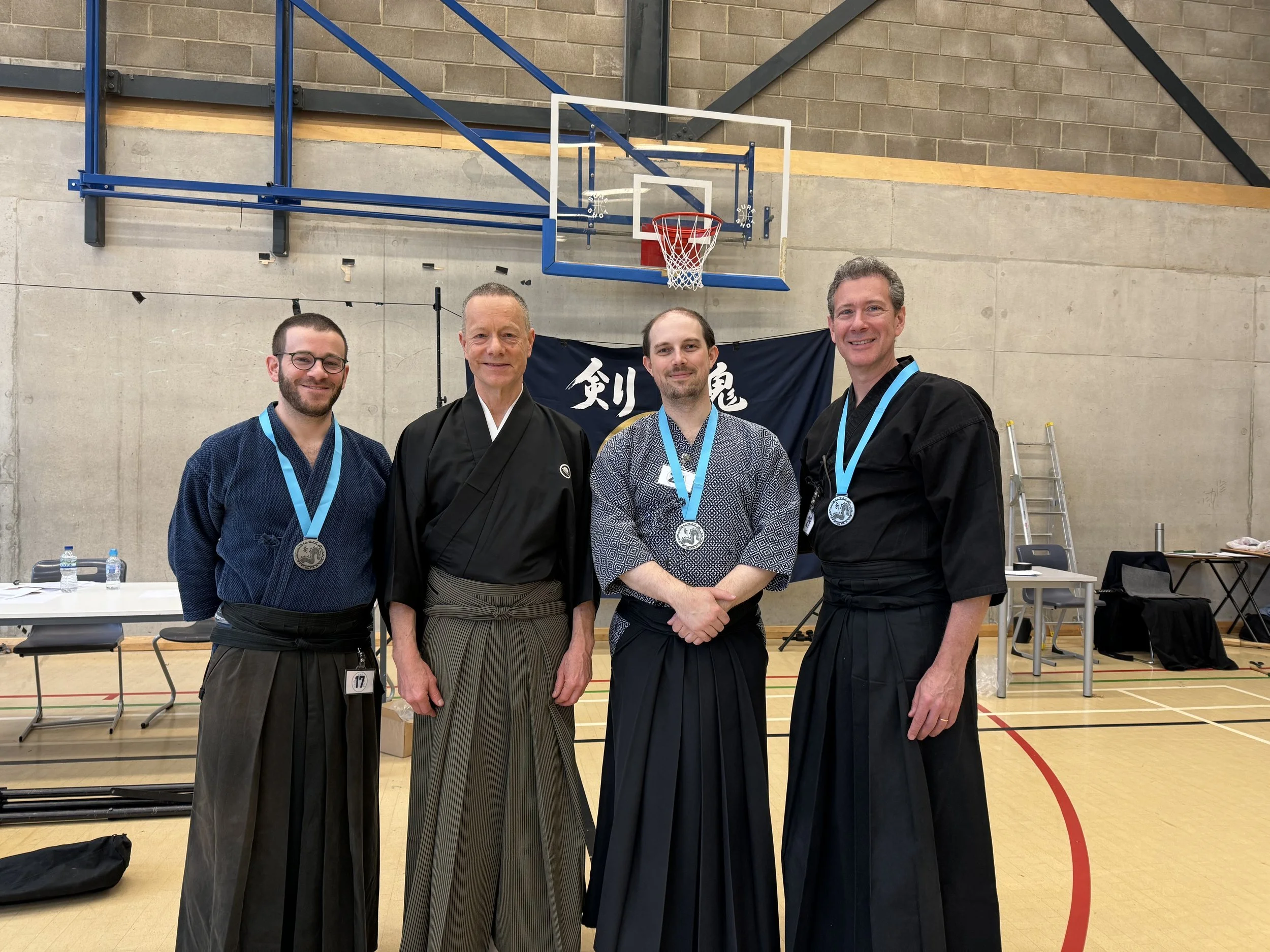
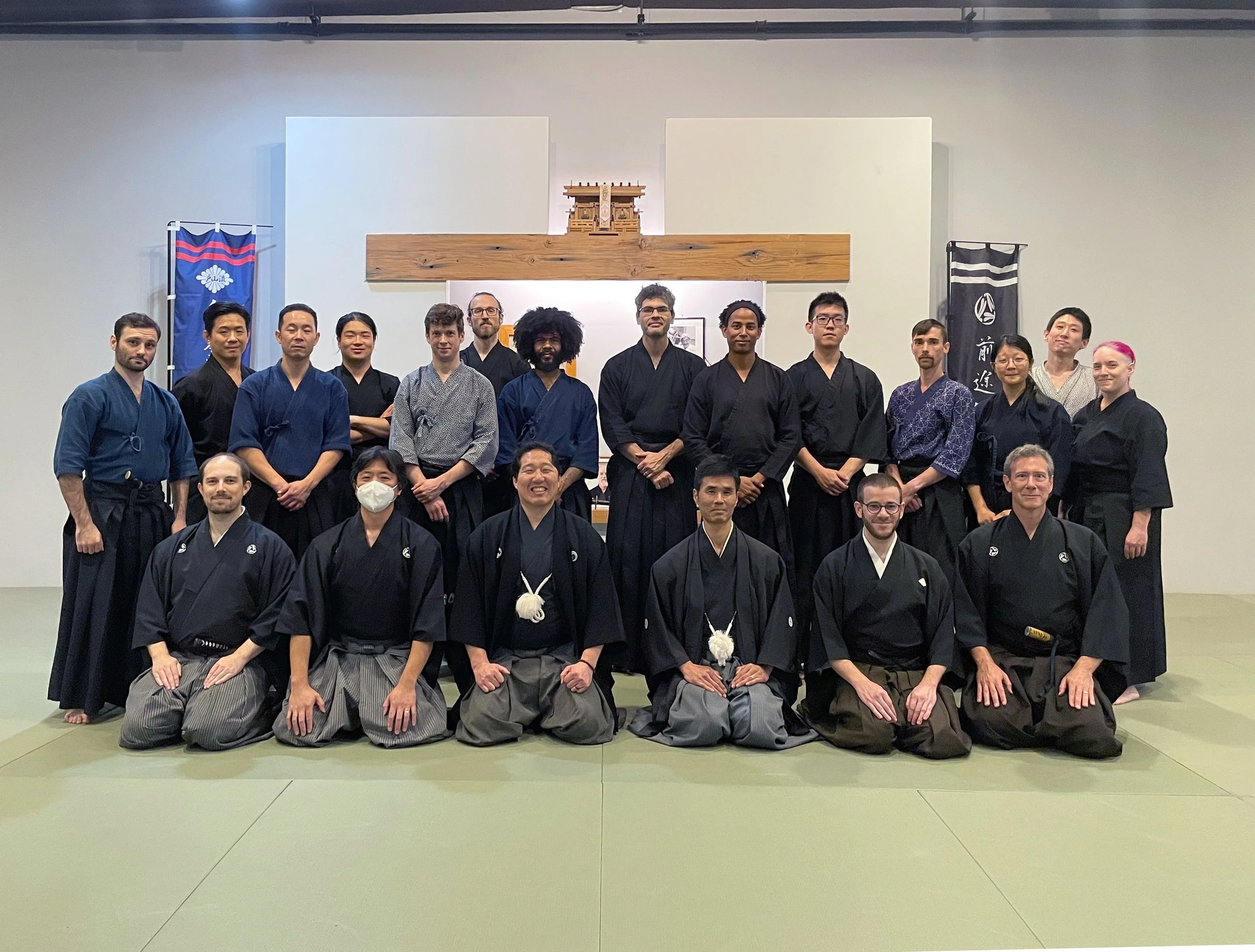
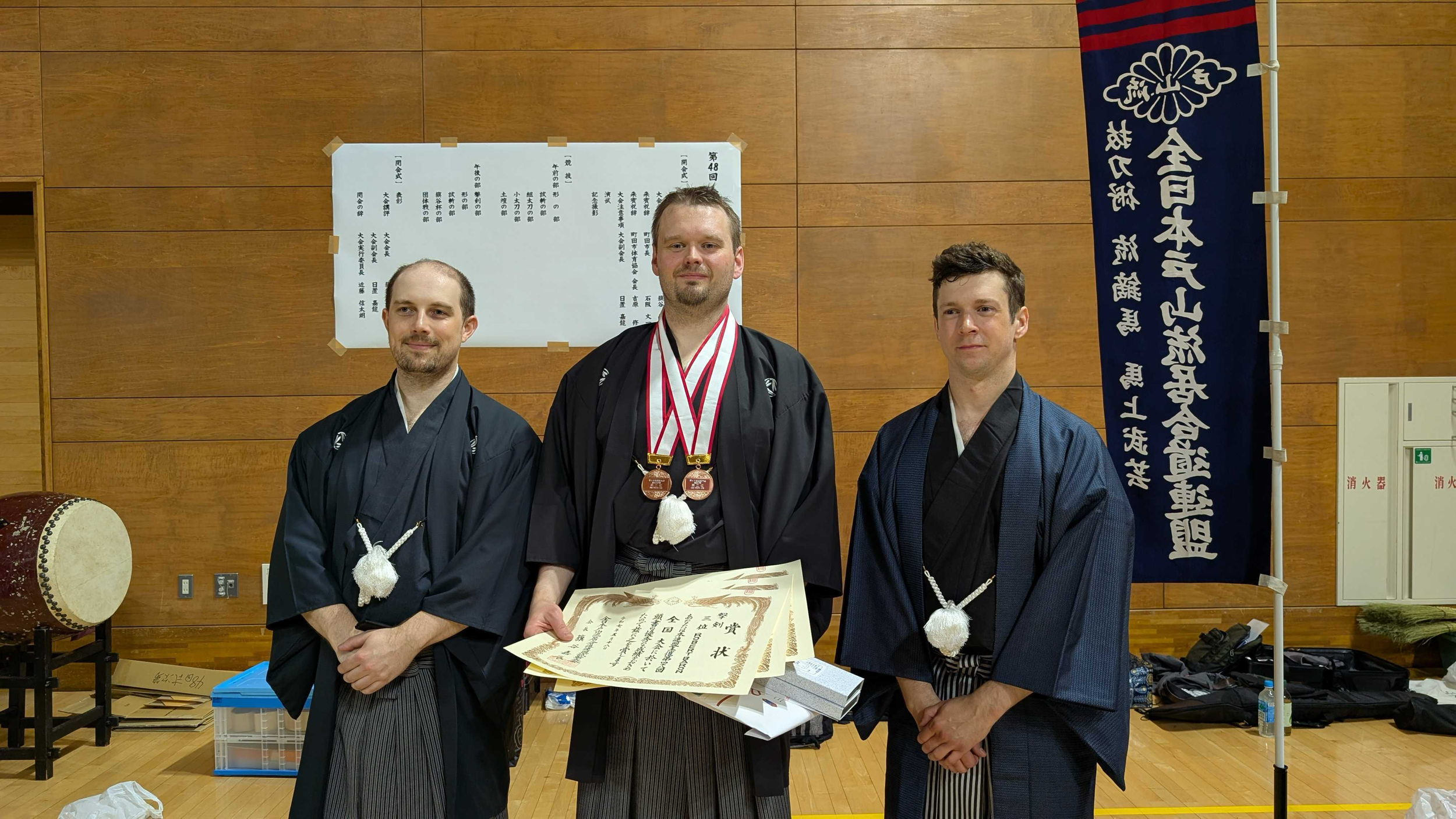
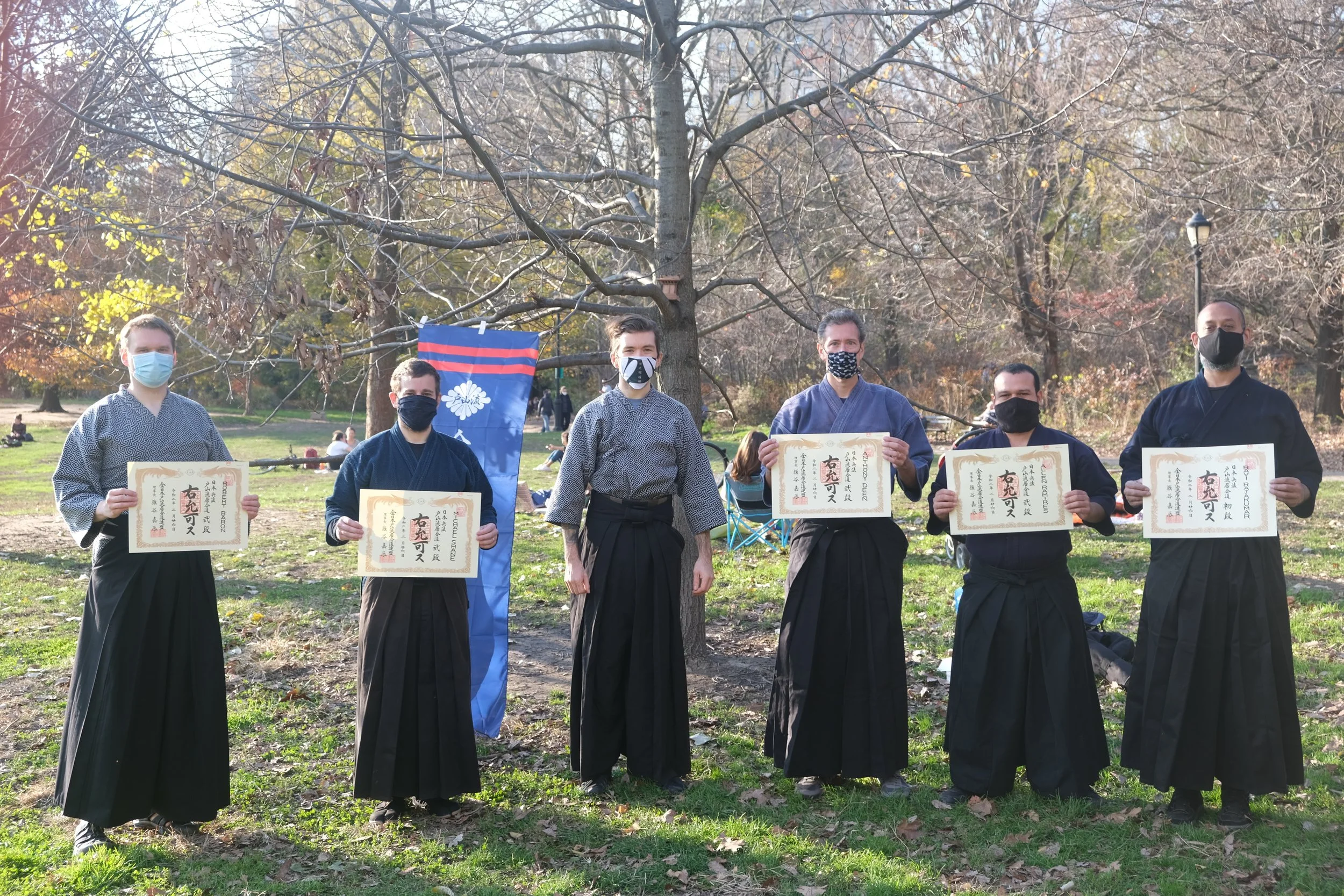
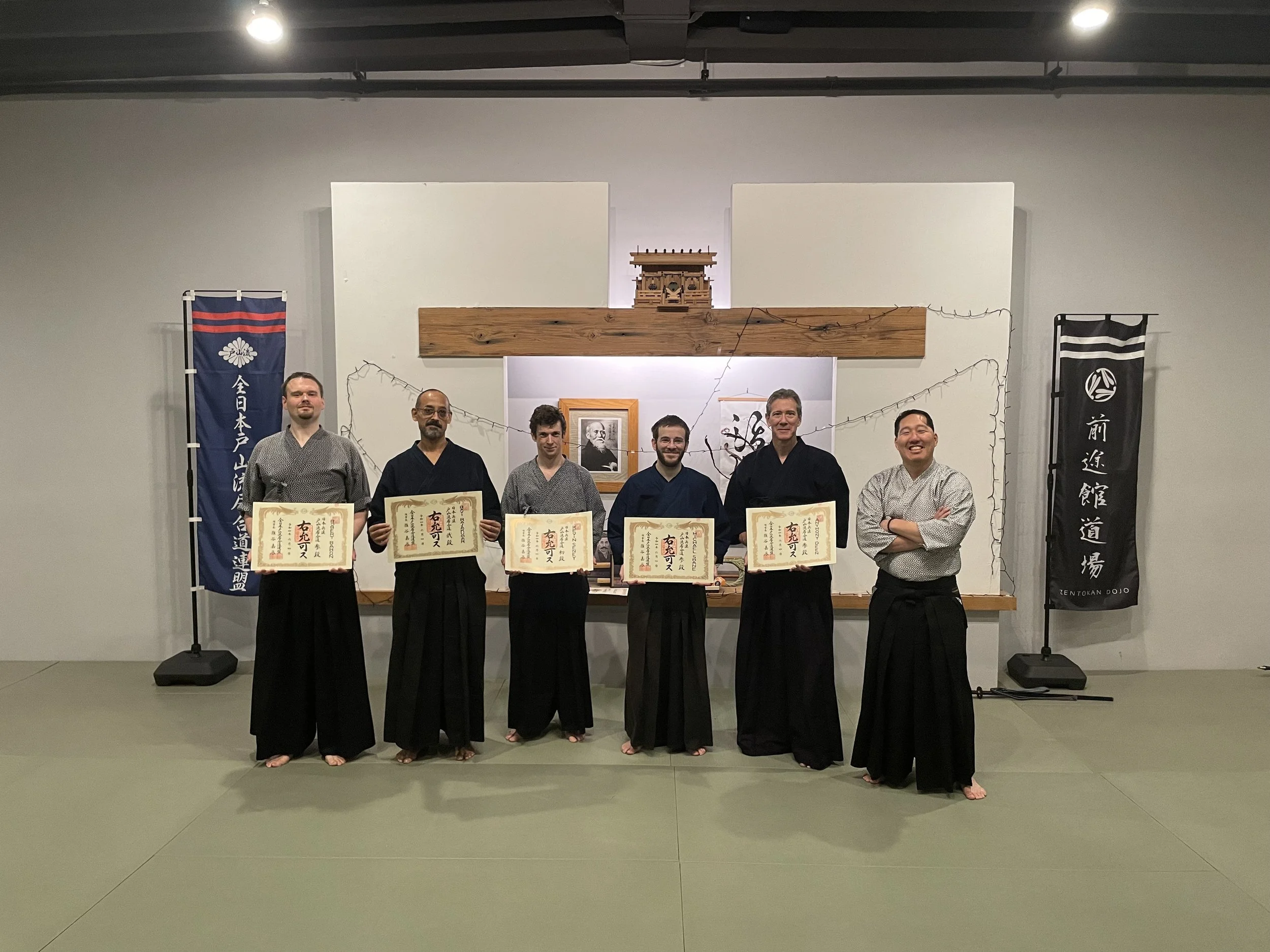
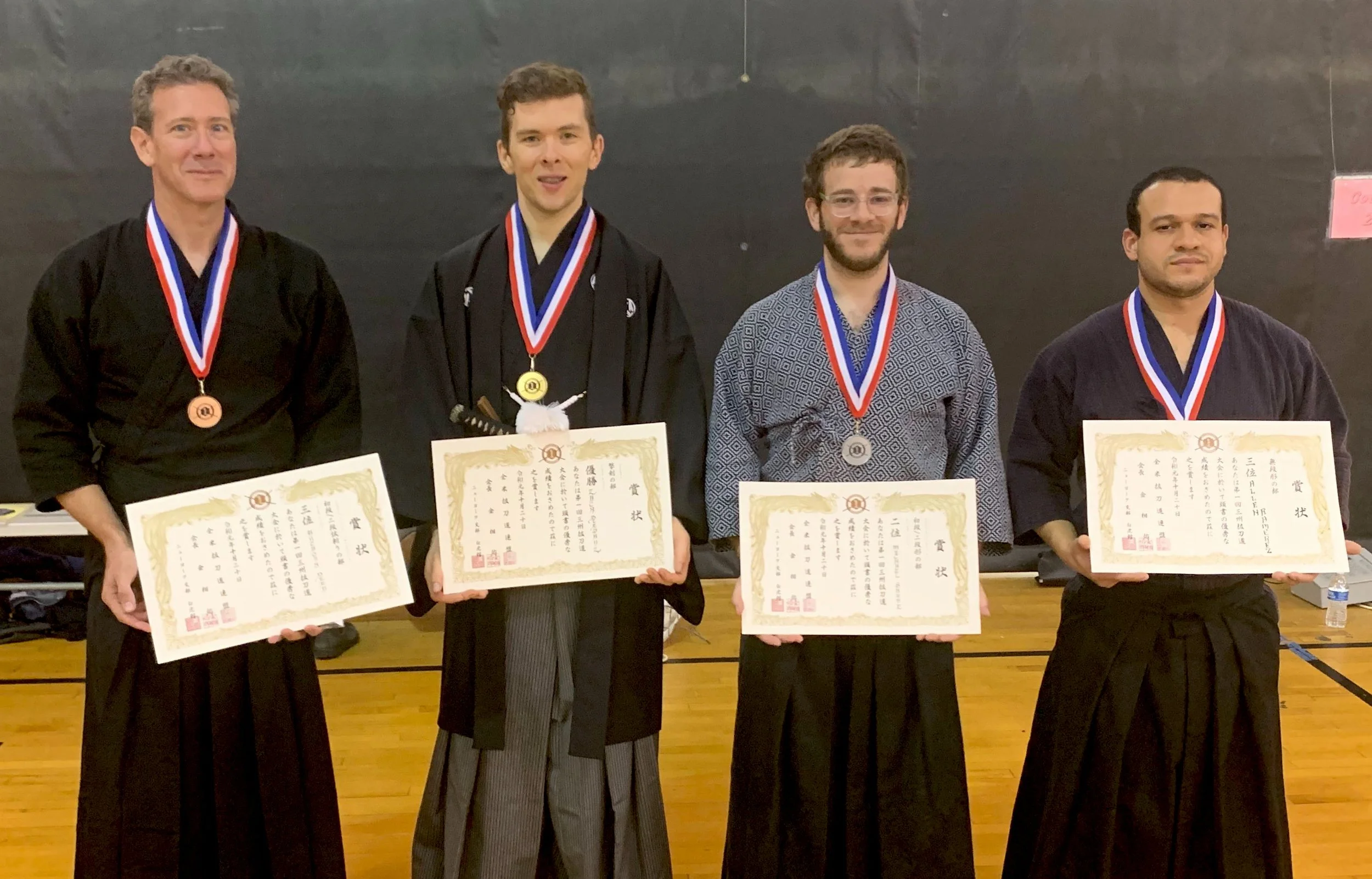
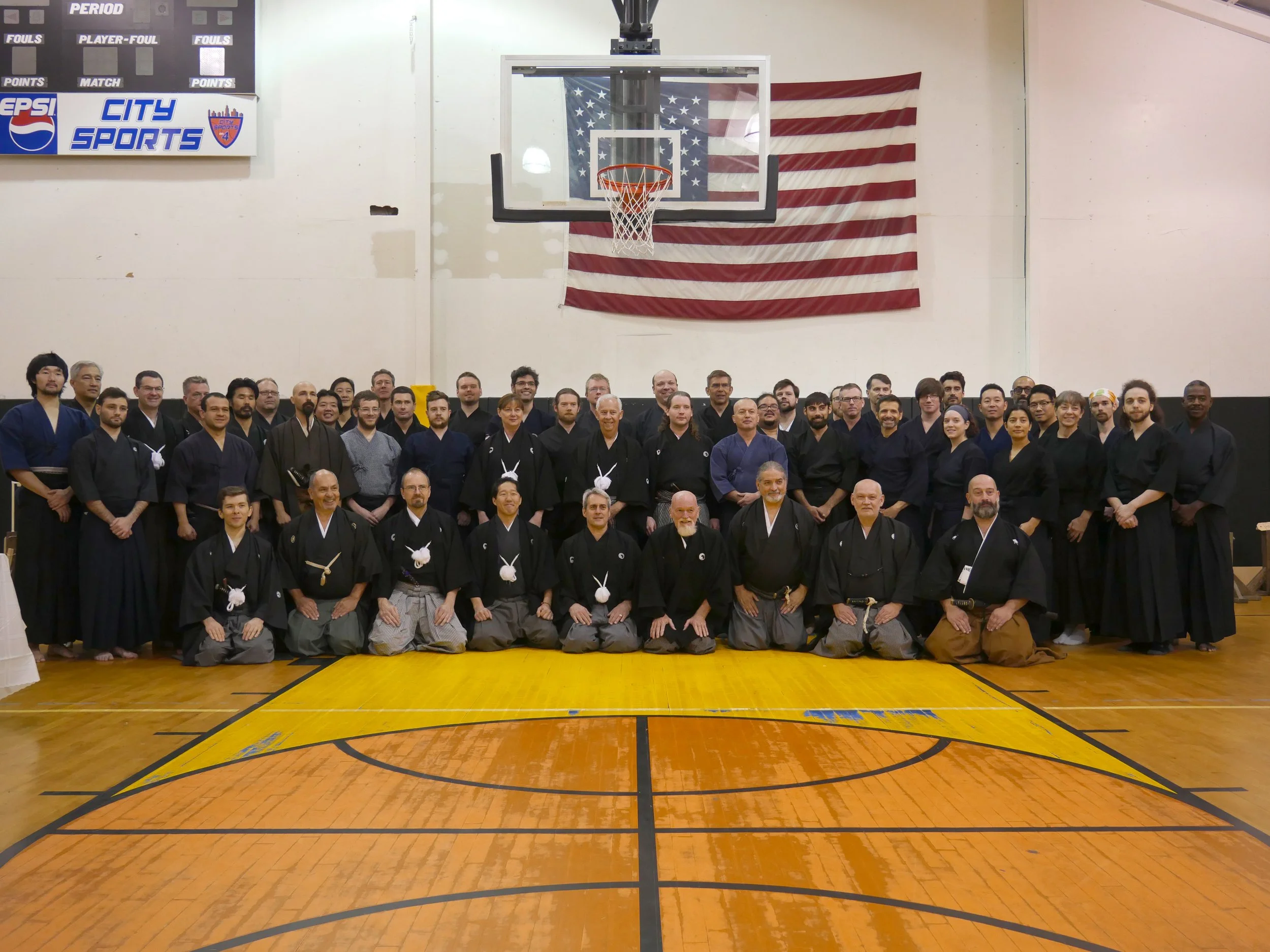
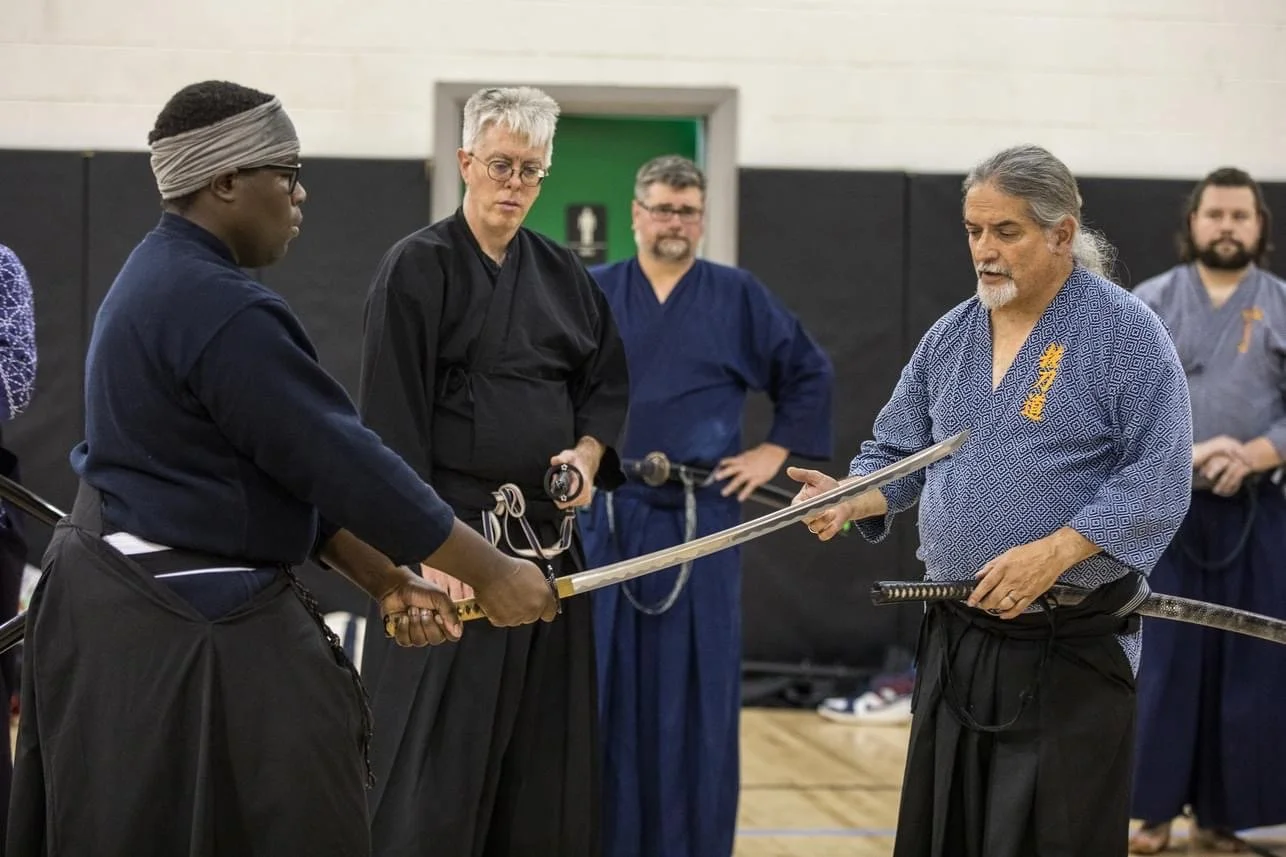
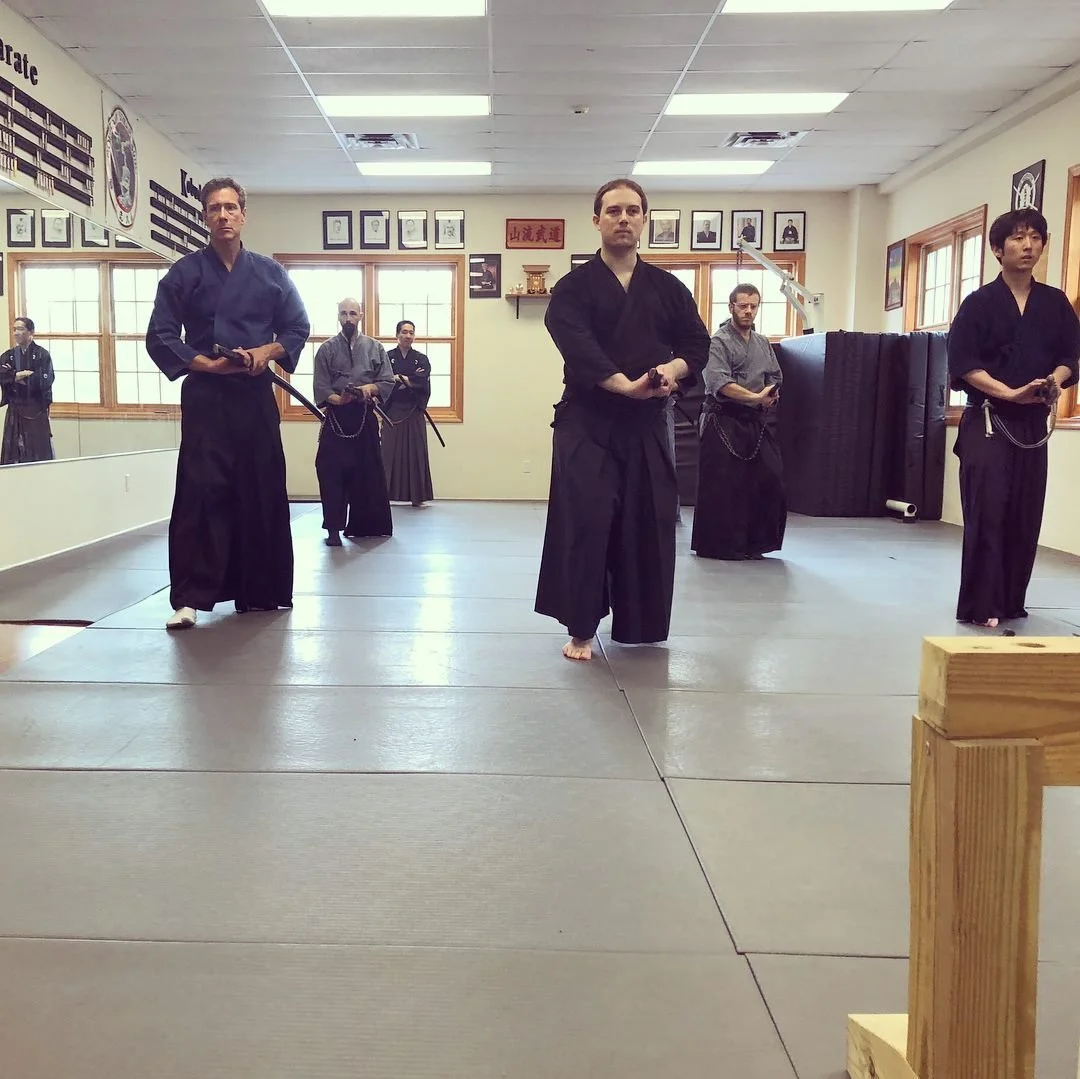
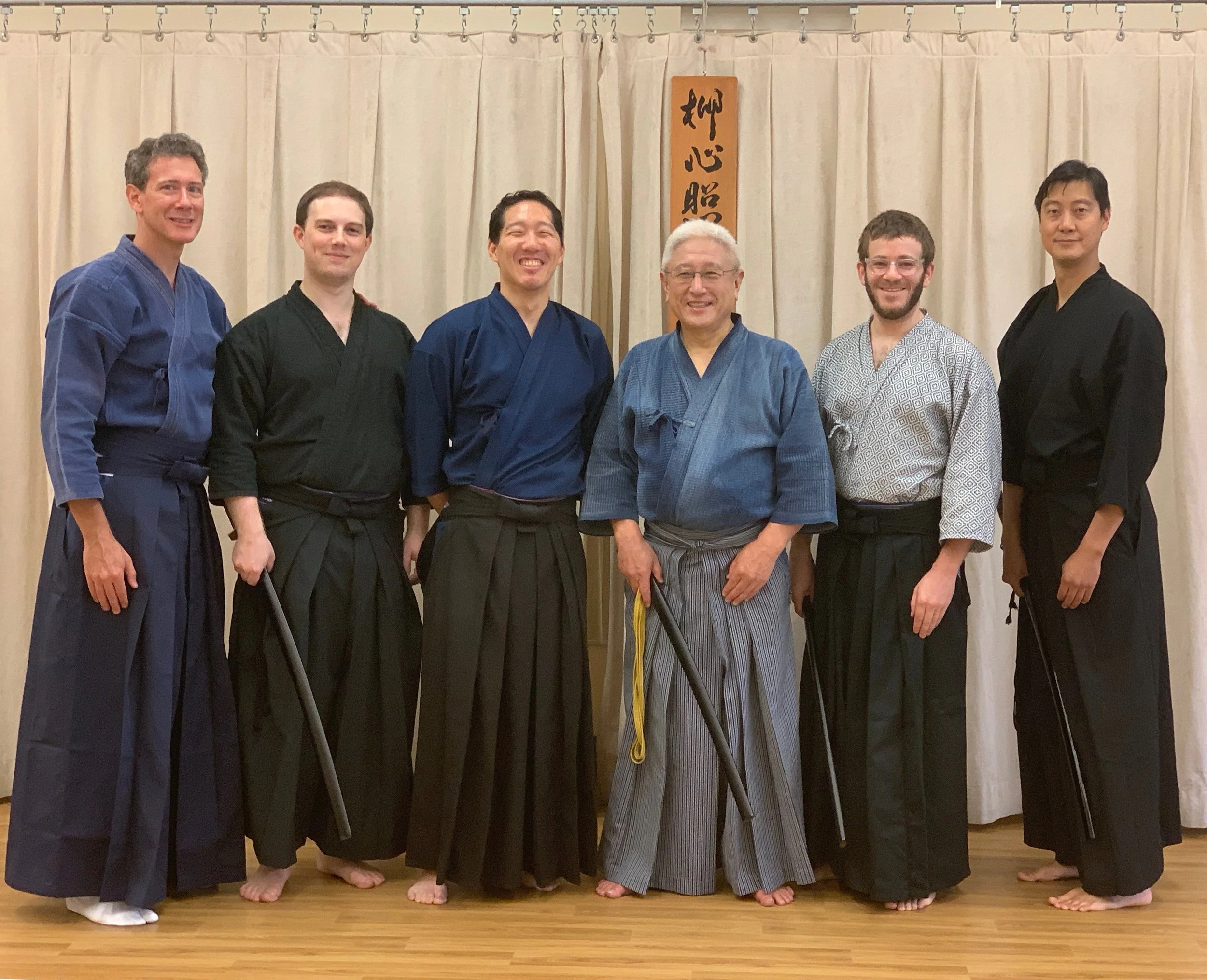
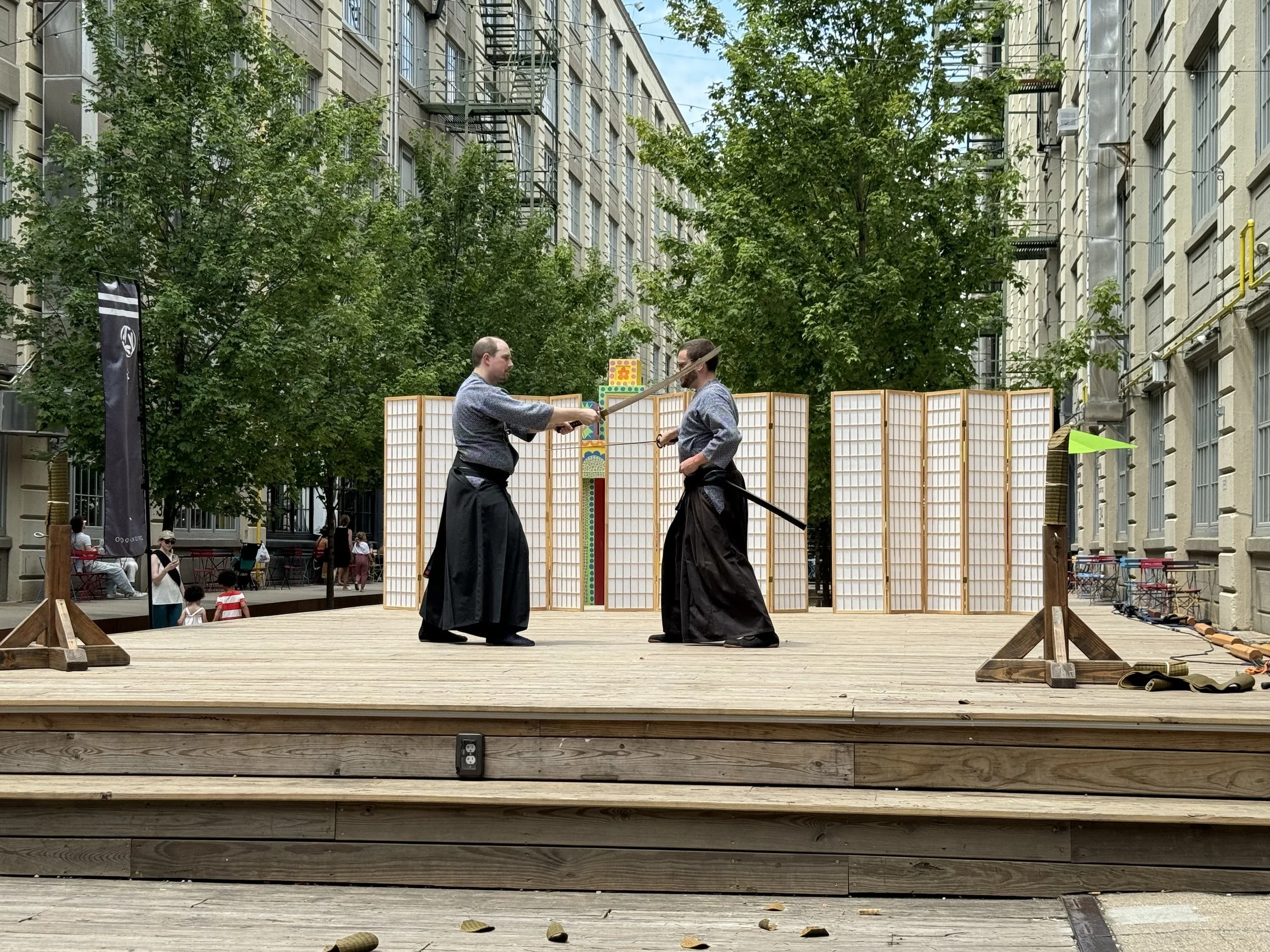
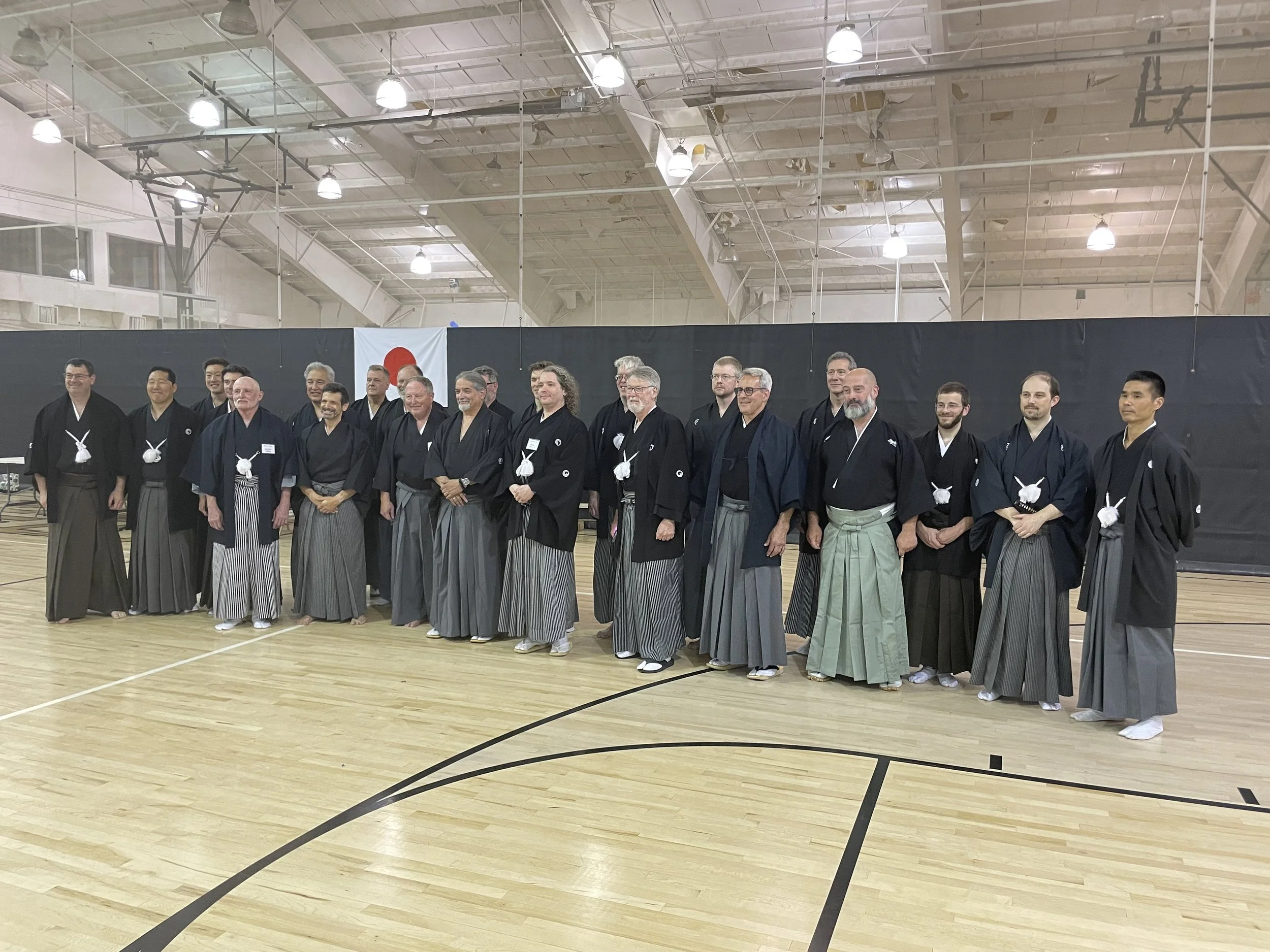
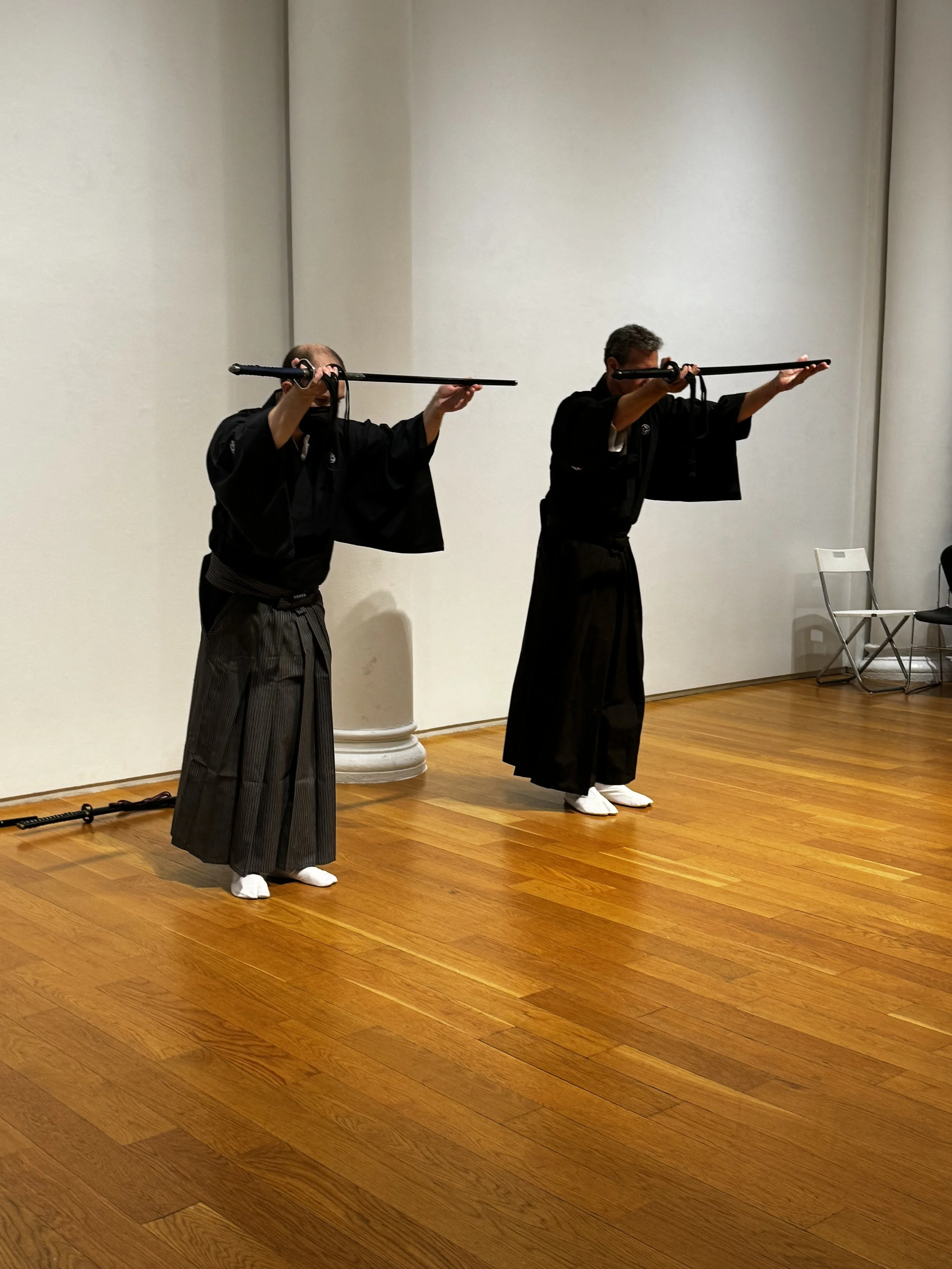
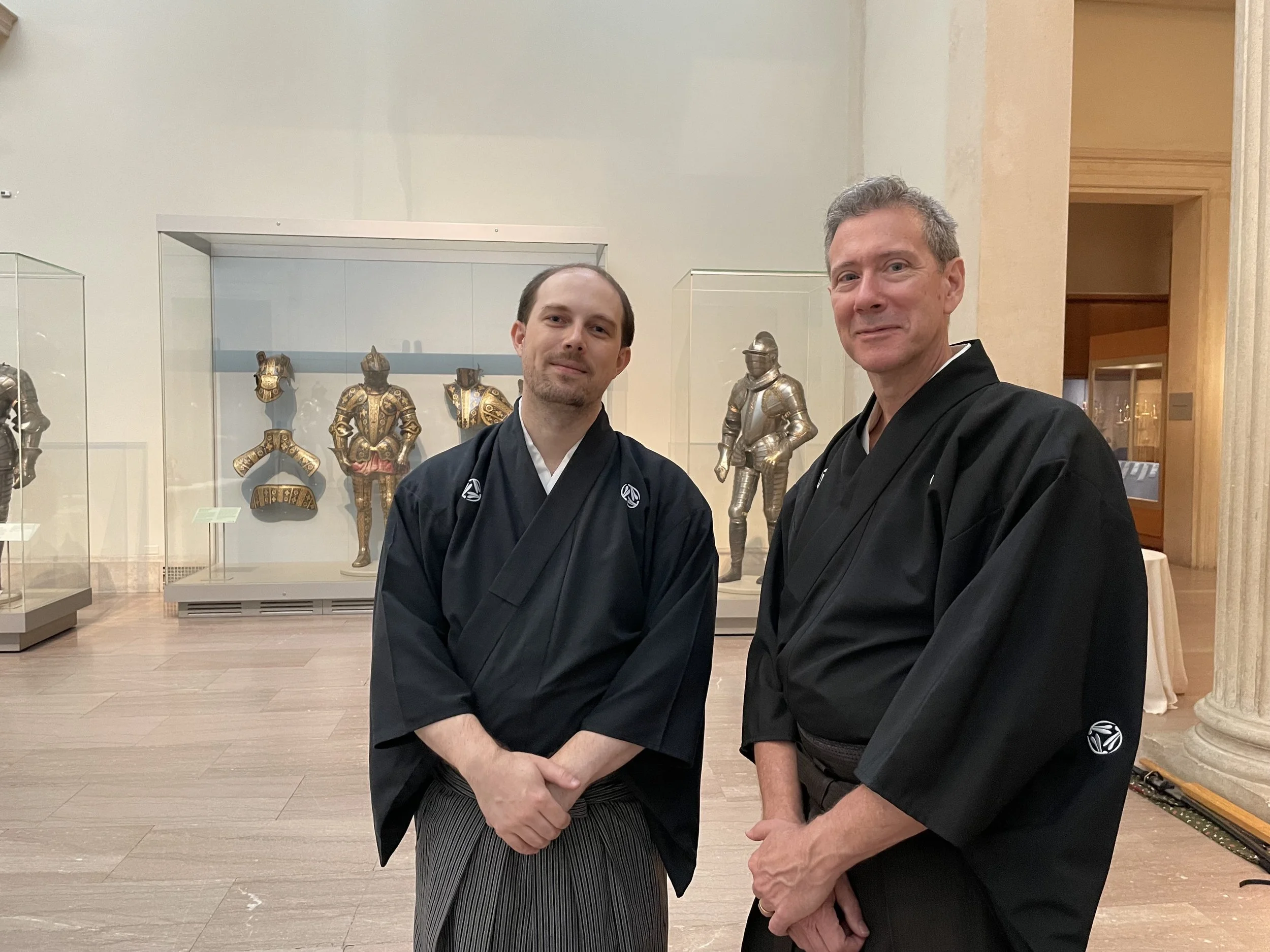
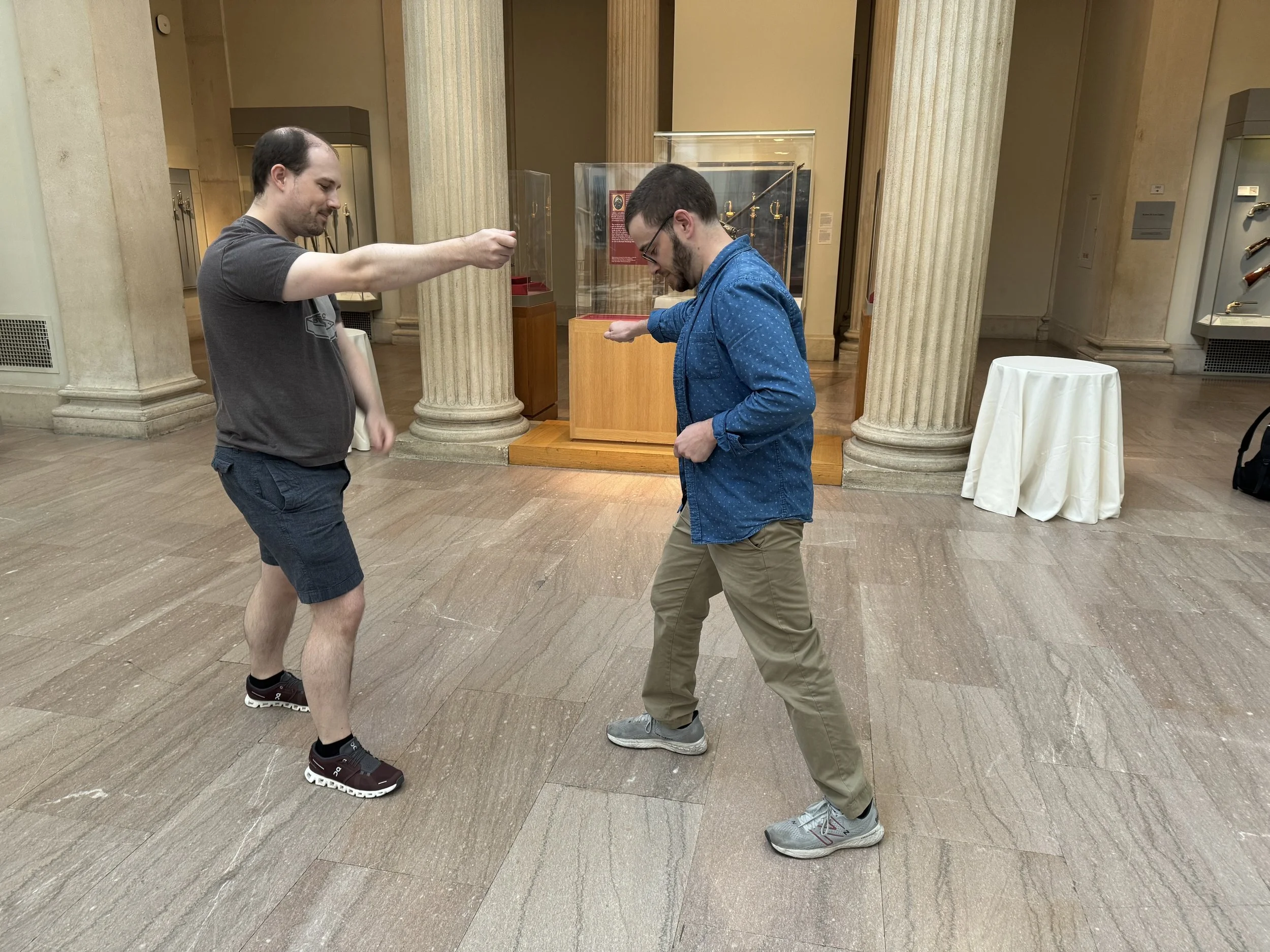
Watching this community steadily grow over the last decade has been one of the great privileges of my life. Over time we have grown from one class each week to four, and I am fortunate to have help from multiple 3rd and 4th dan level assistant instructors. Most dojos are lucky to have just one. Zentokan has hosted seminars with senior teachers from across the United States and Japan. We’ve welcomed teachers of other arts like jodo, aikijujutsu, and naginata to share their experience with us. We have given public demonstrations across the city, including at The Metropolitan Museum of Art. Our students have traveled across the state, the country, and even the world for training and to connect with others, from the Hudson Valley to London and Tokyo. The community we have built both enhances and transcends our training. Over the last 10 years, some students have arrived carrying great hardships, and others have experienced them as the inevitable calamities of life arrived. Through it all we have been there for each other, and our shugyo has been there for us. The only thing it ever asked in return was simply to show up.
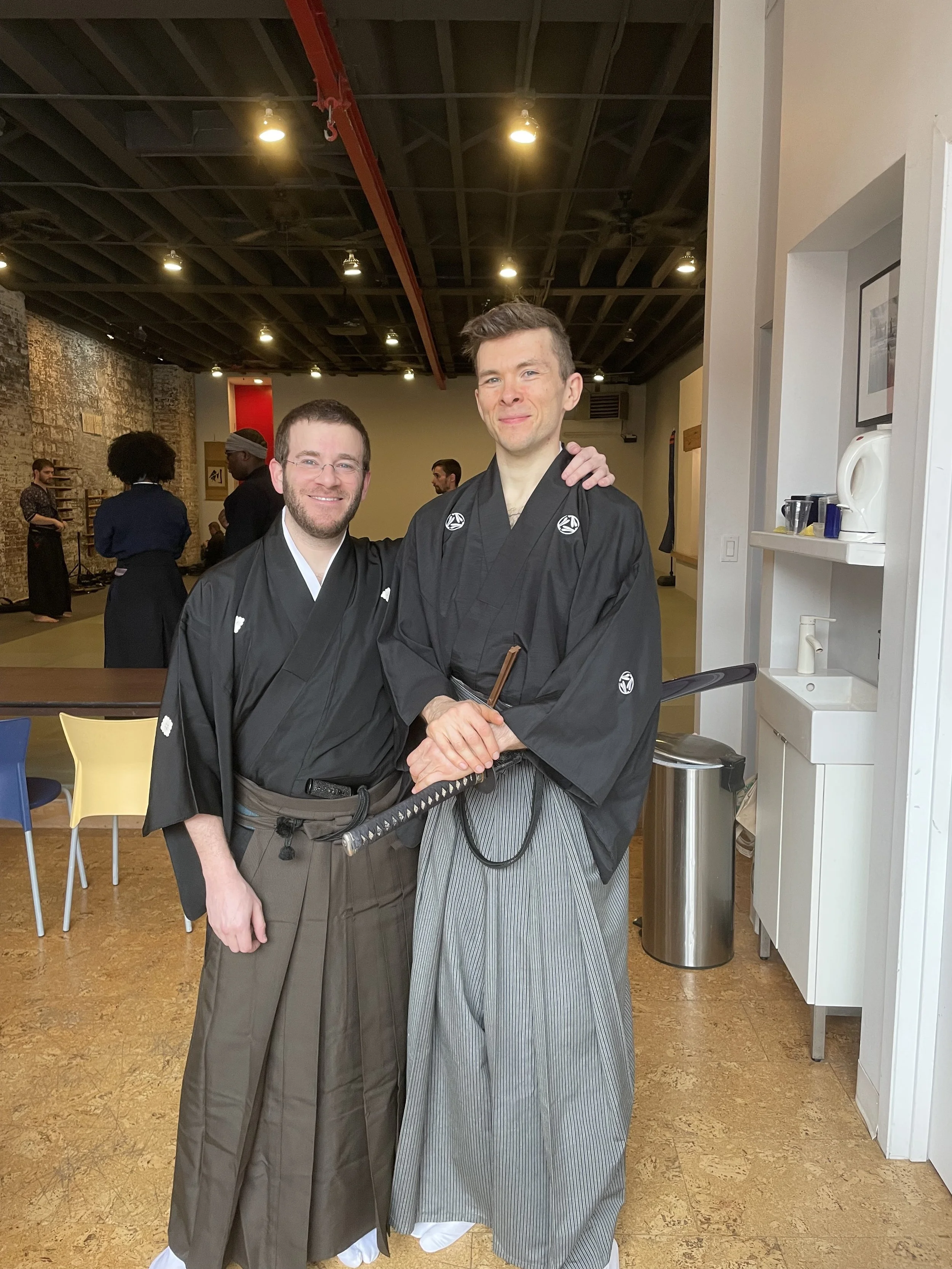
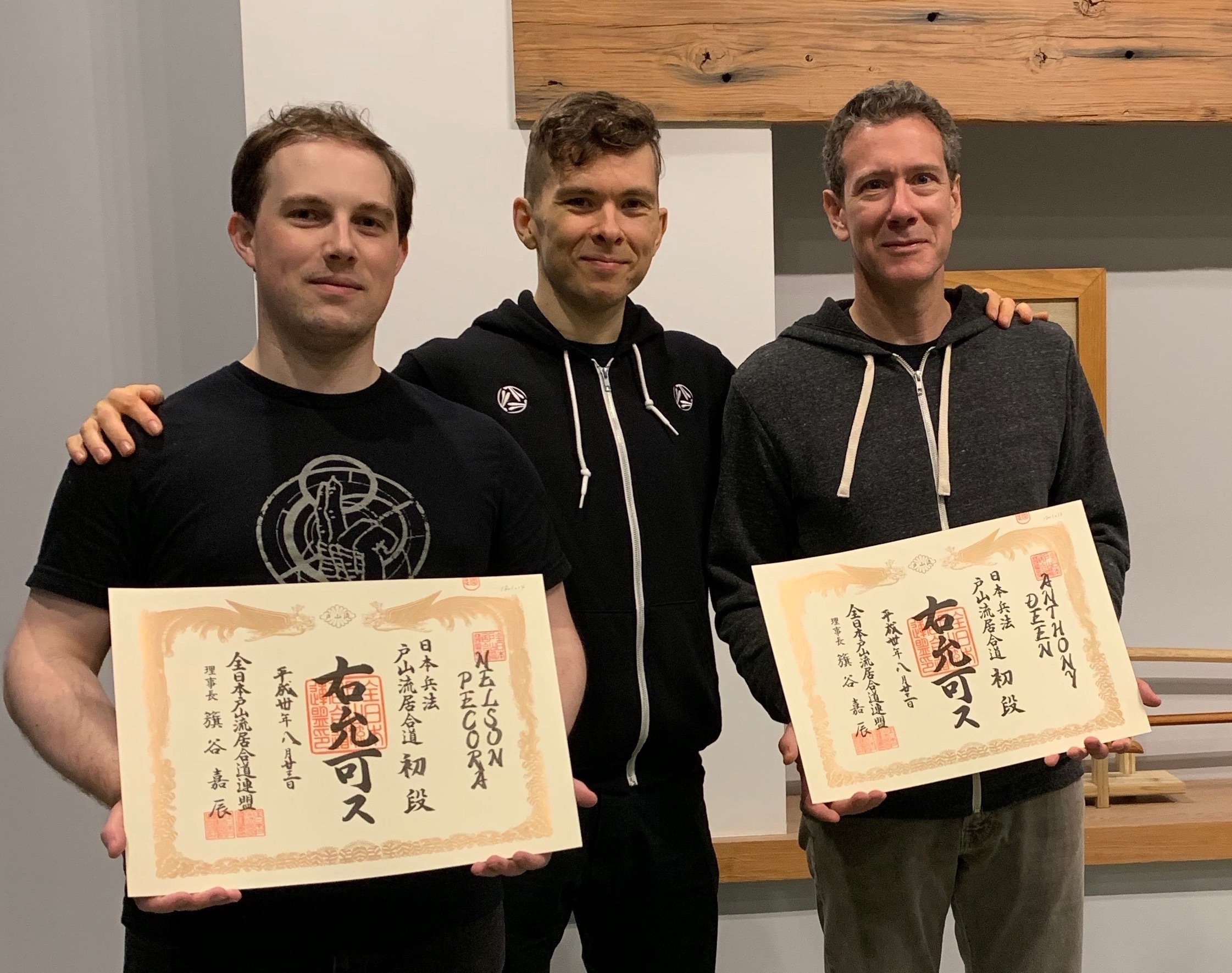
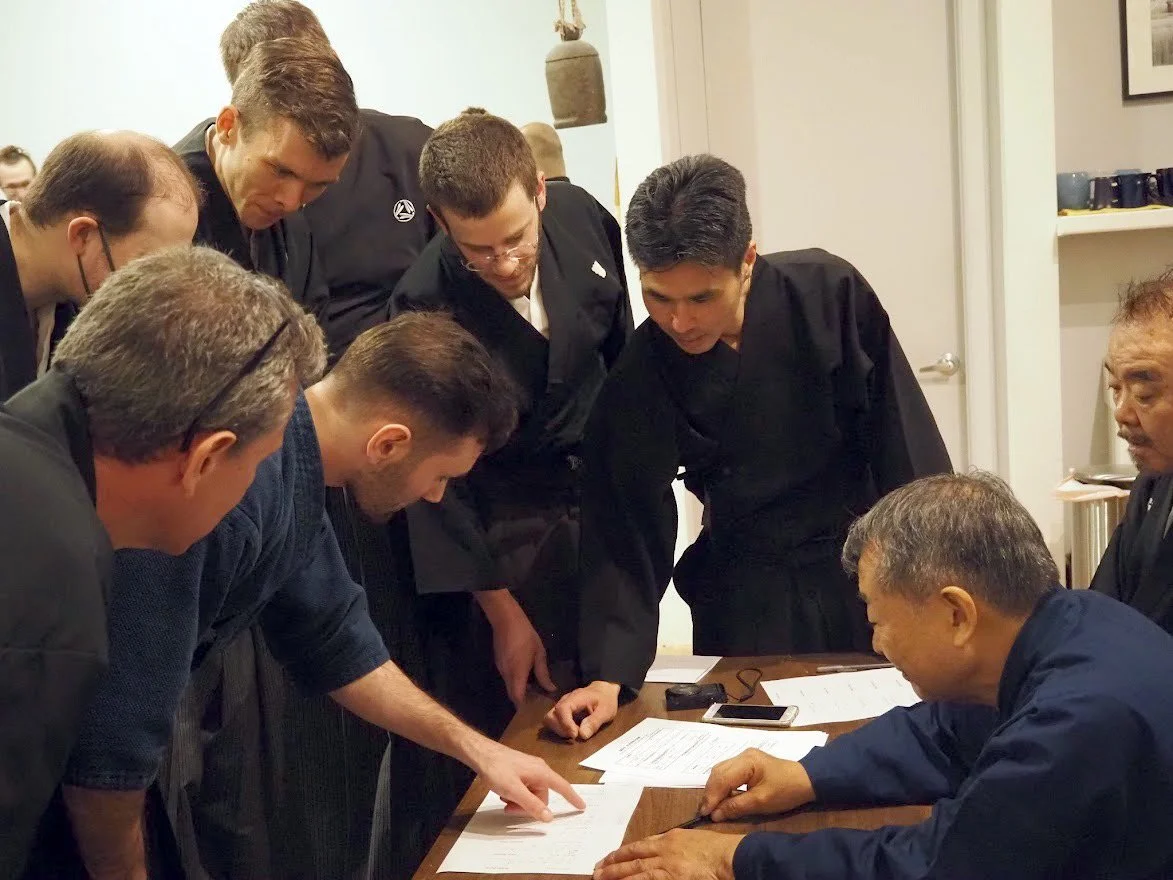
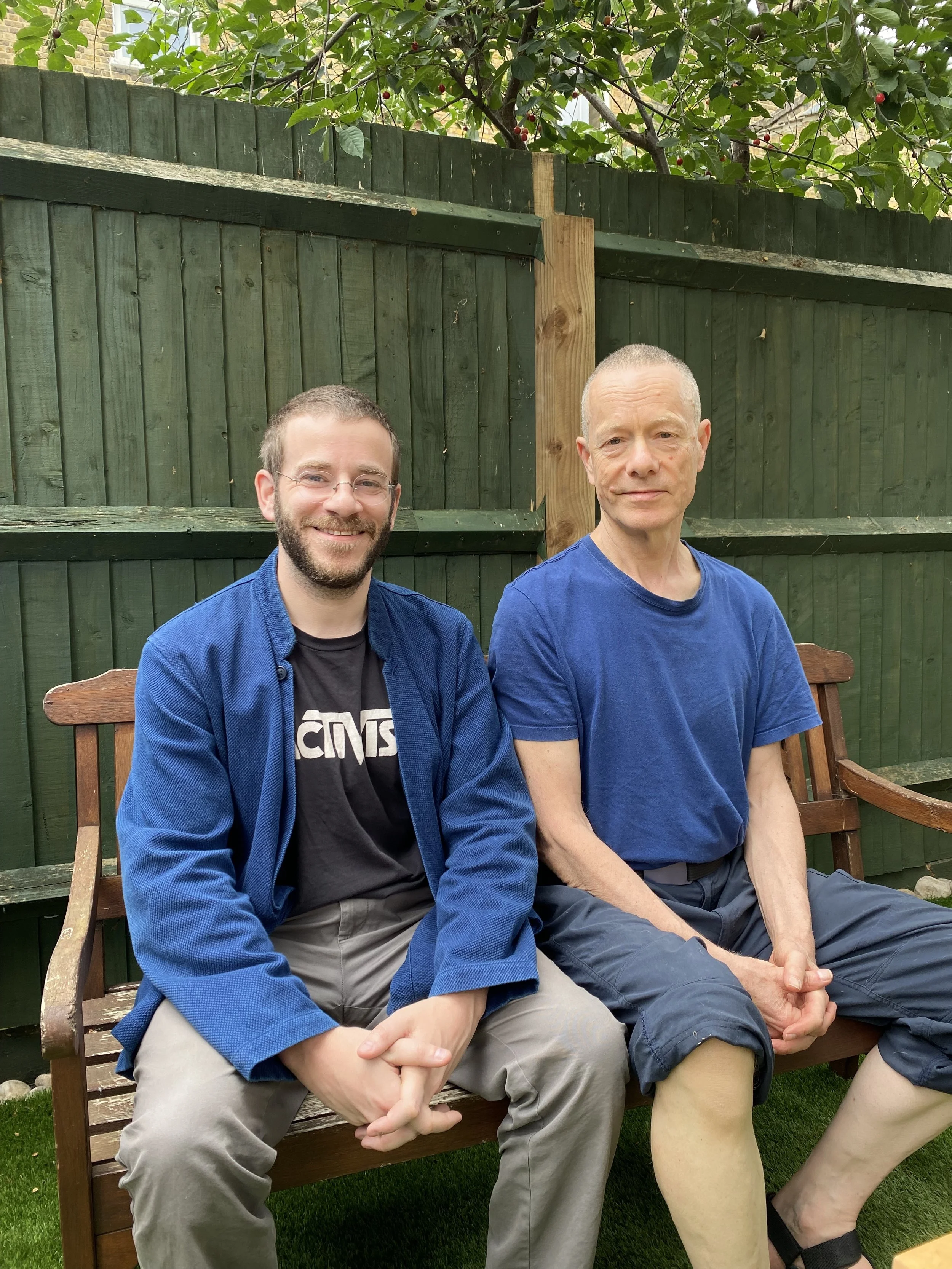
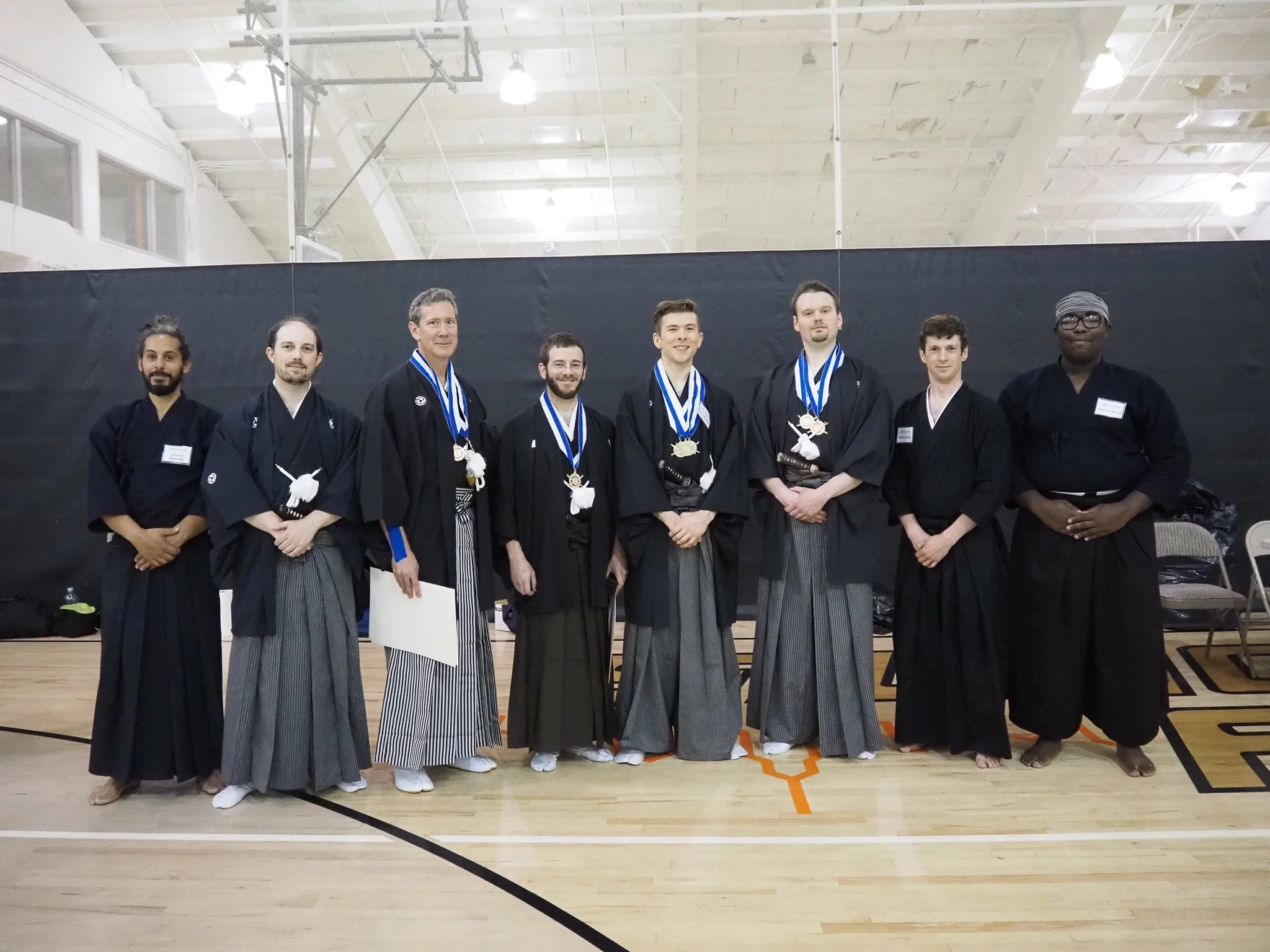
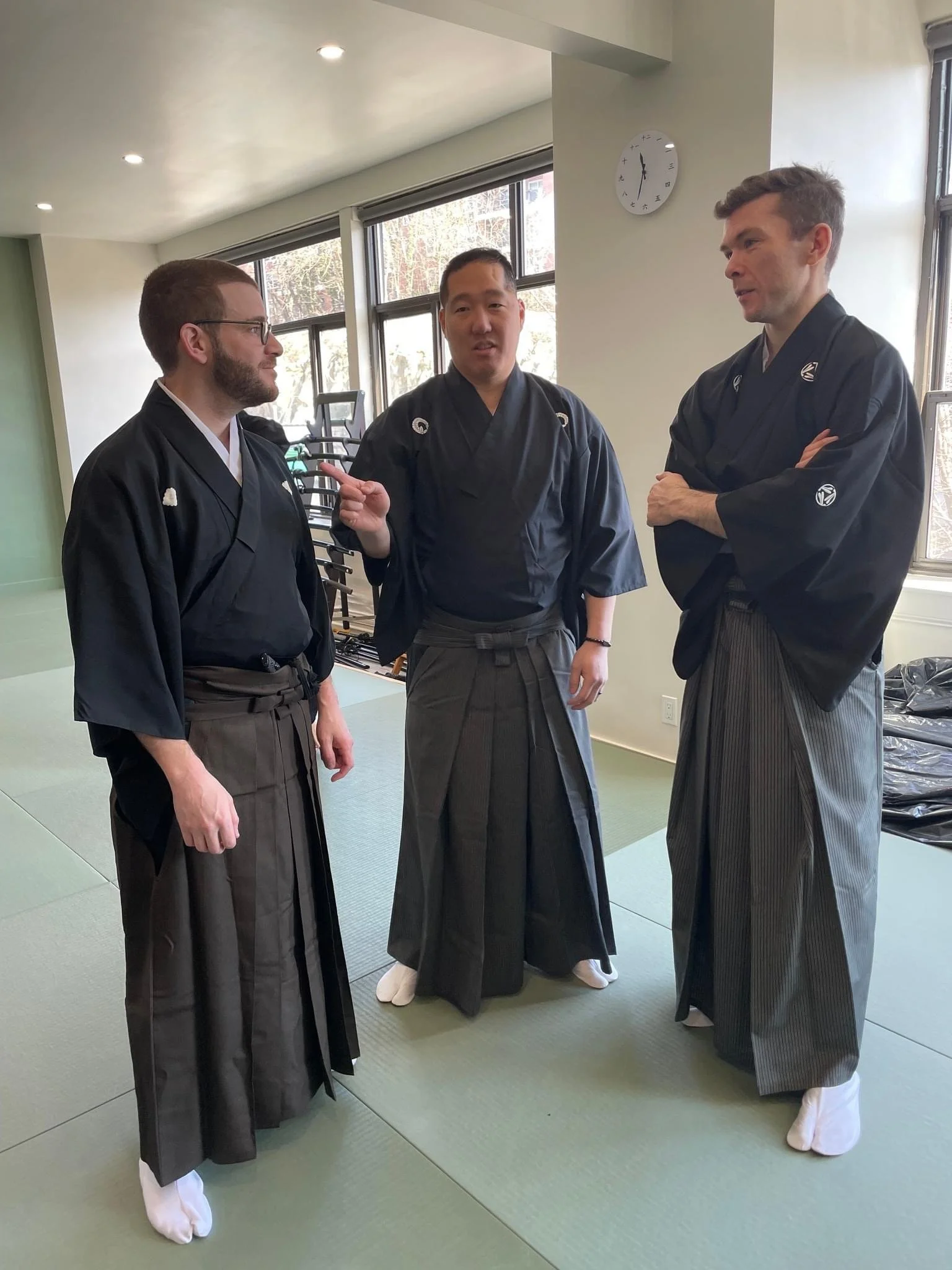
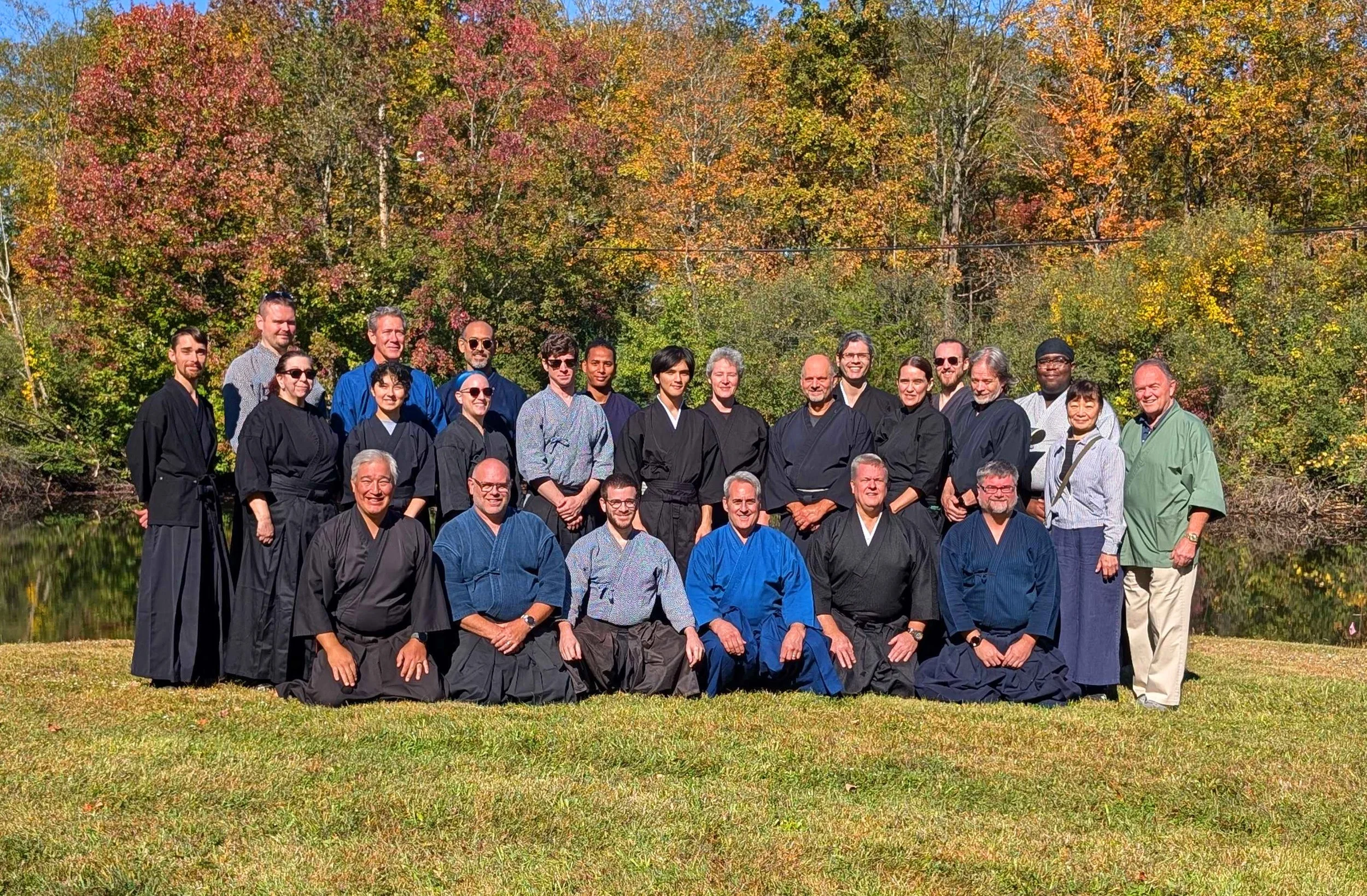
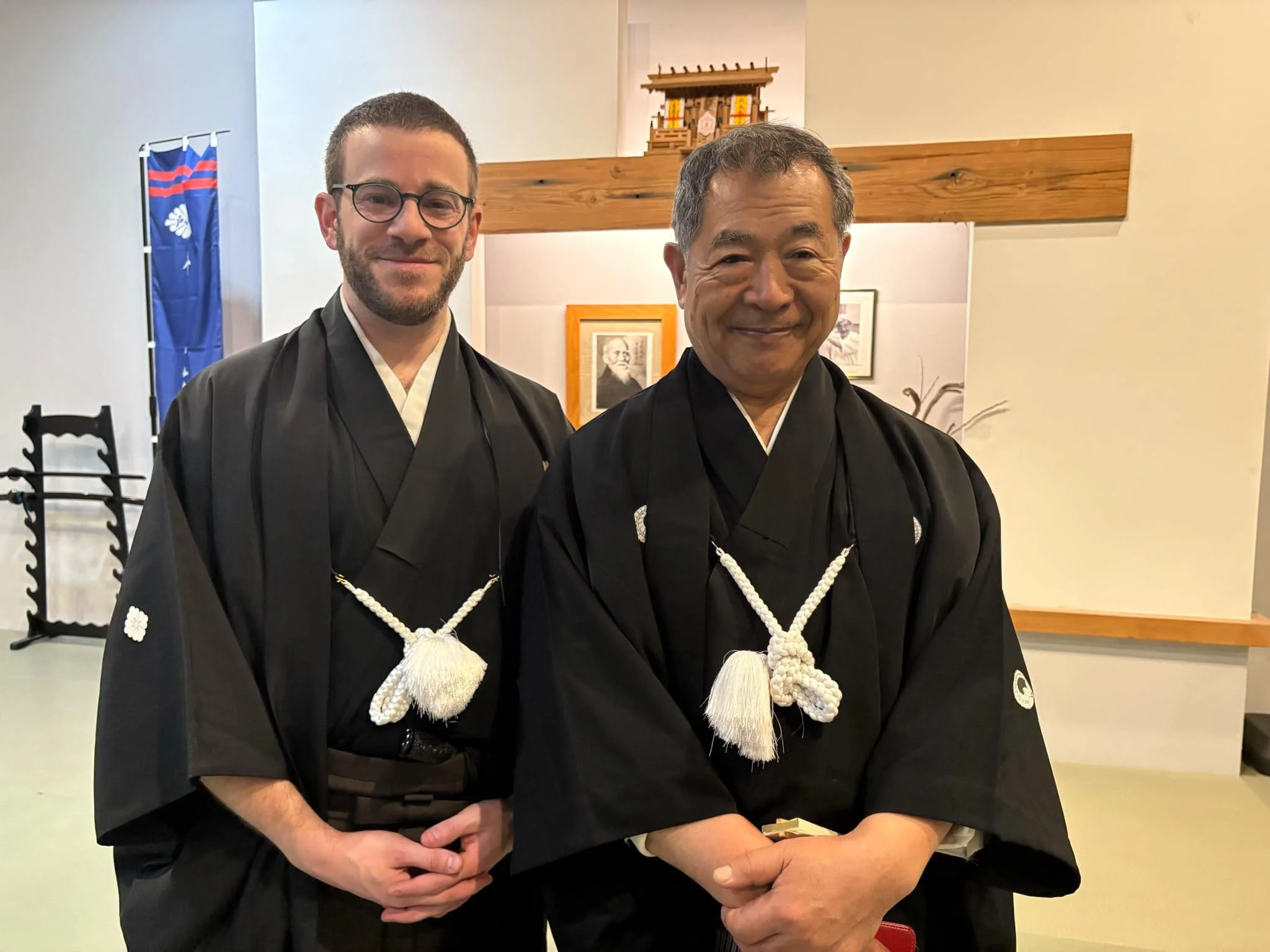
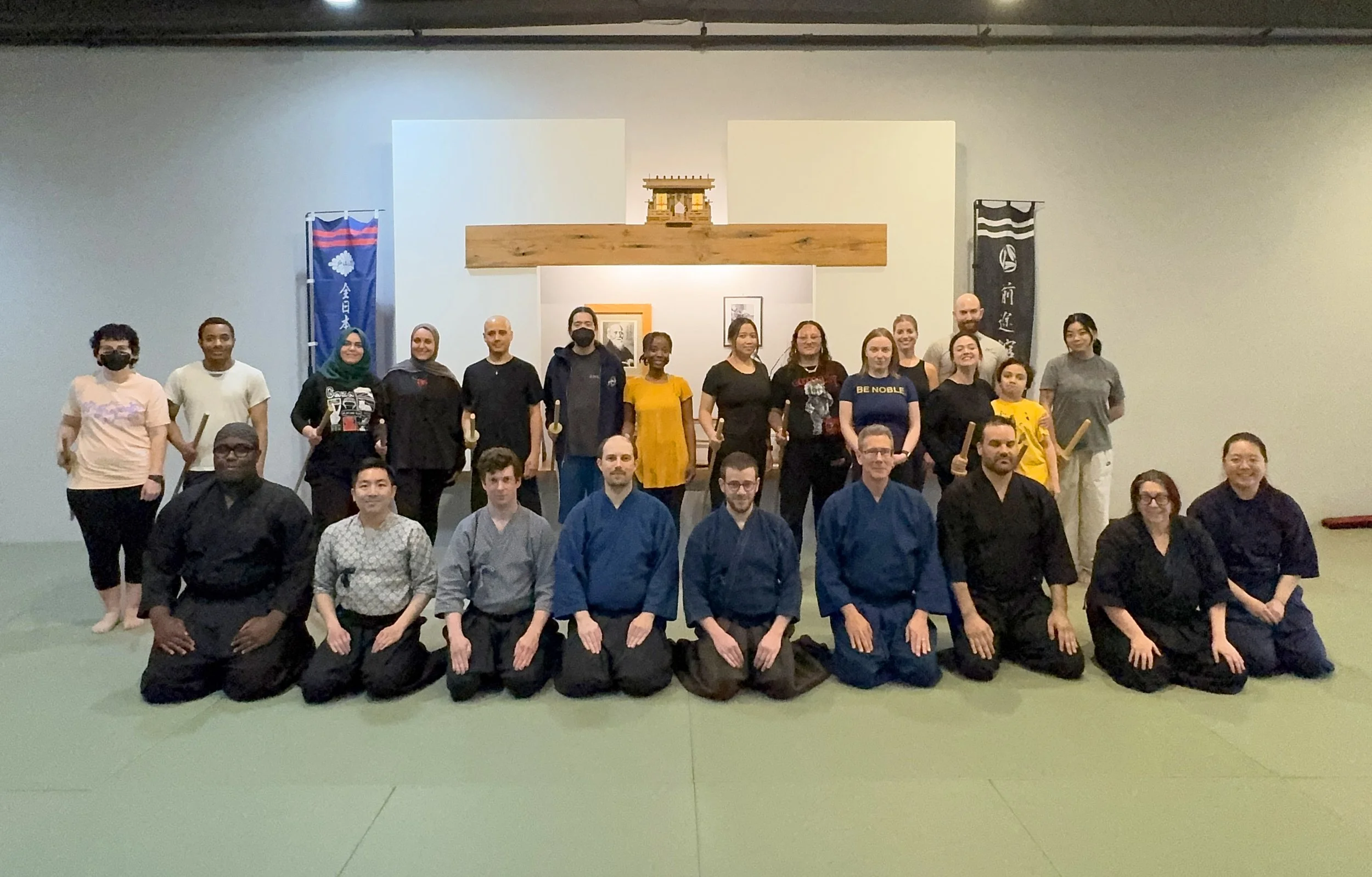
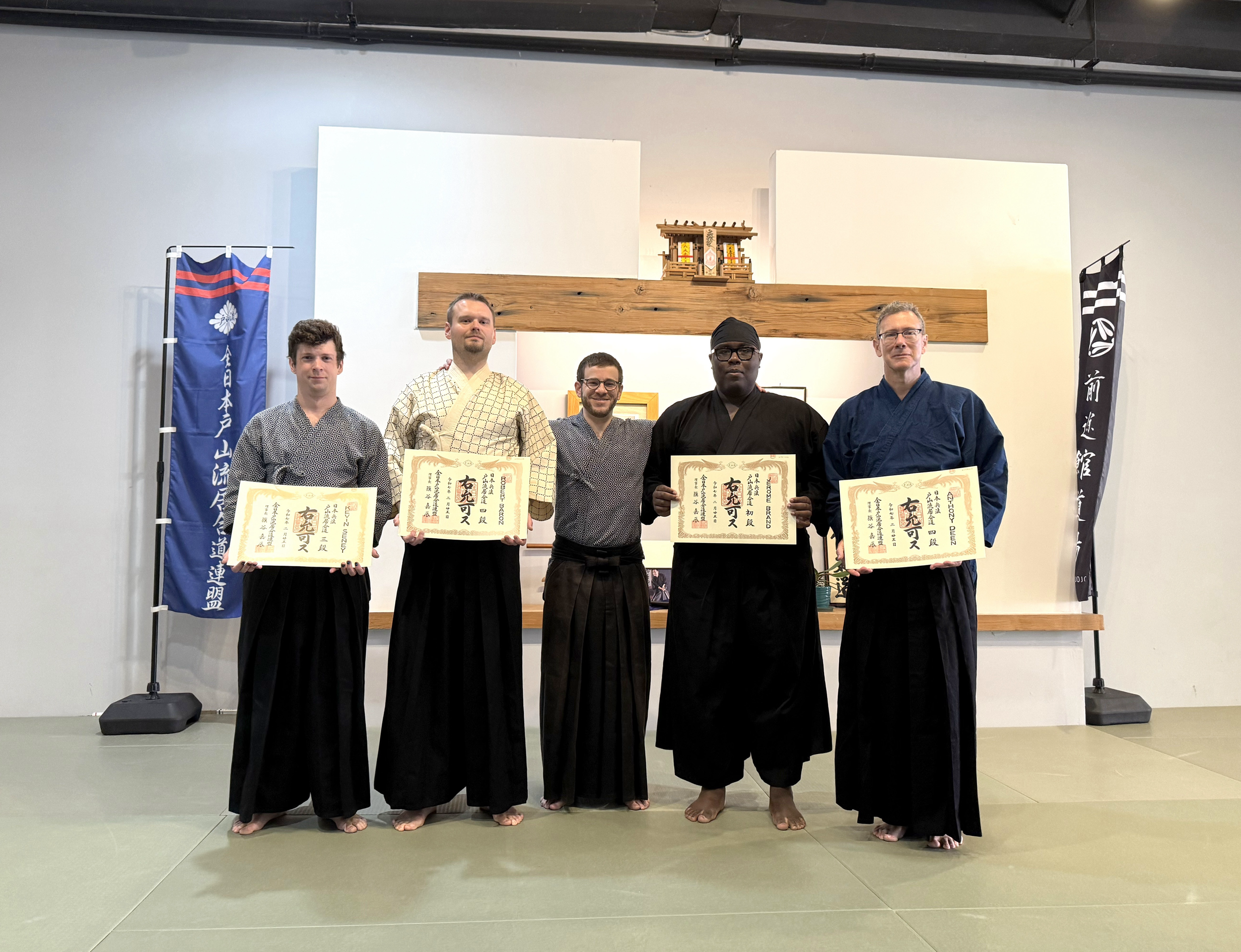
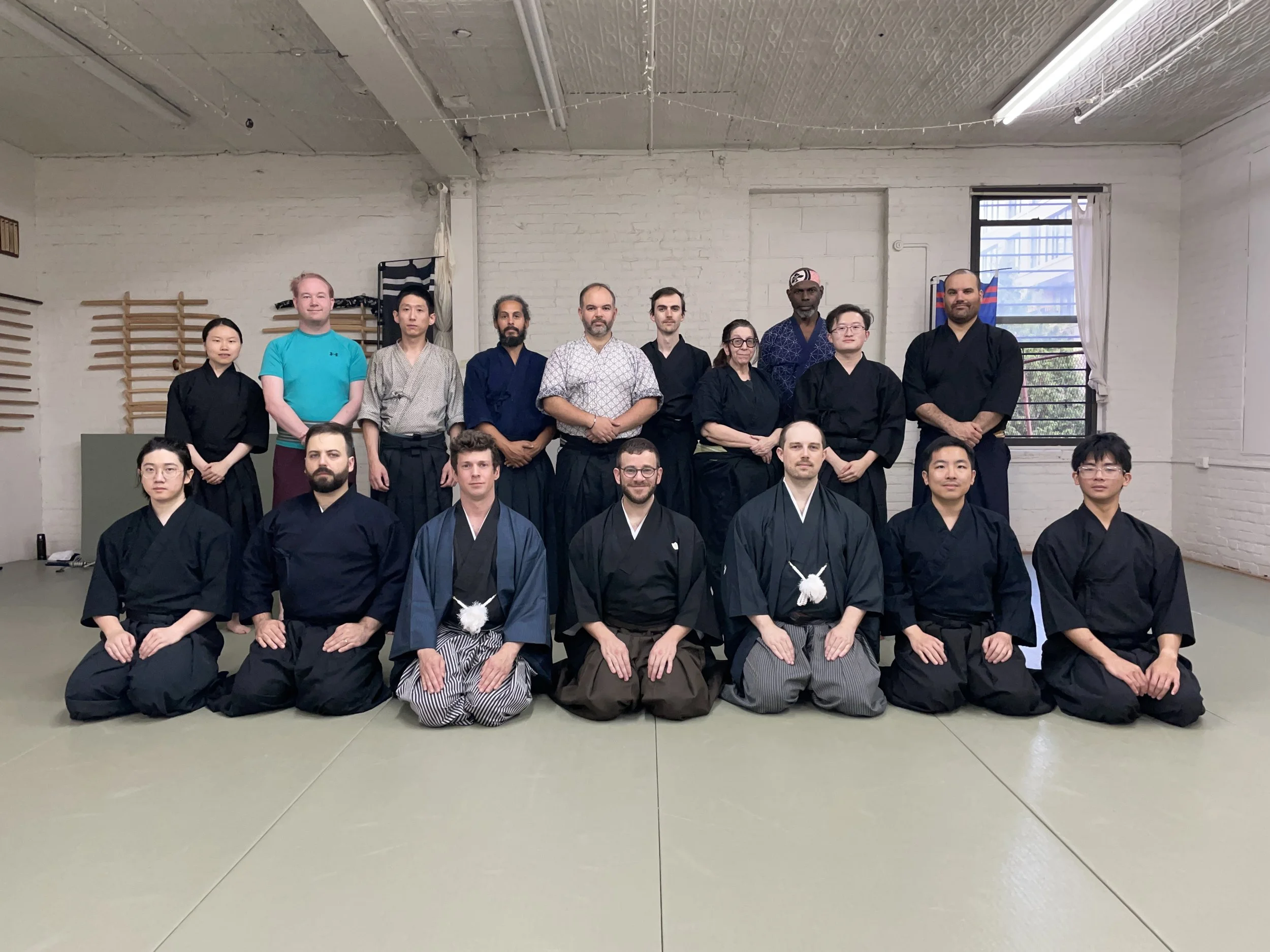
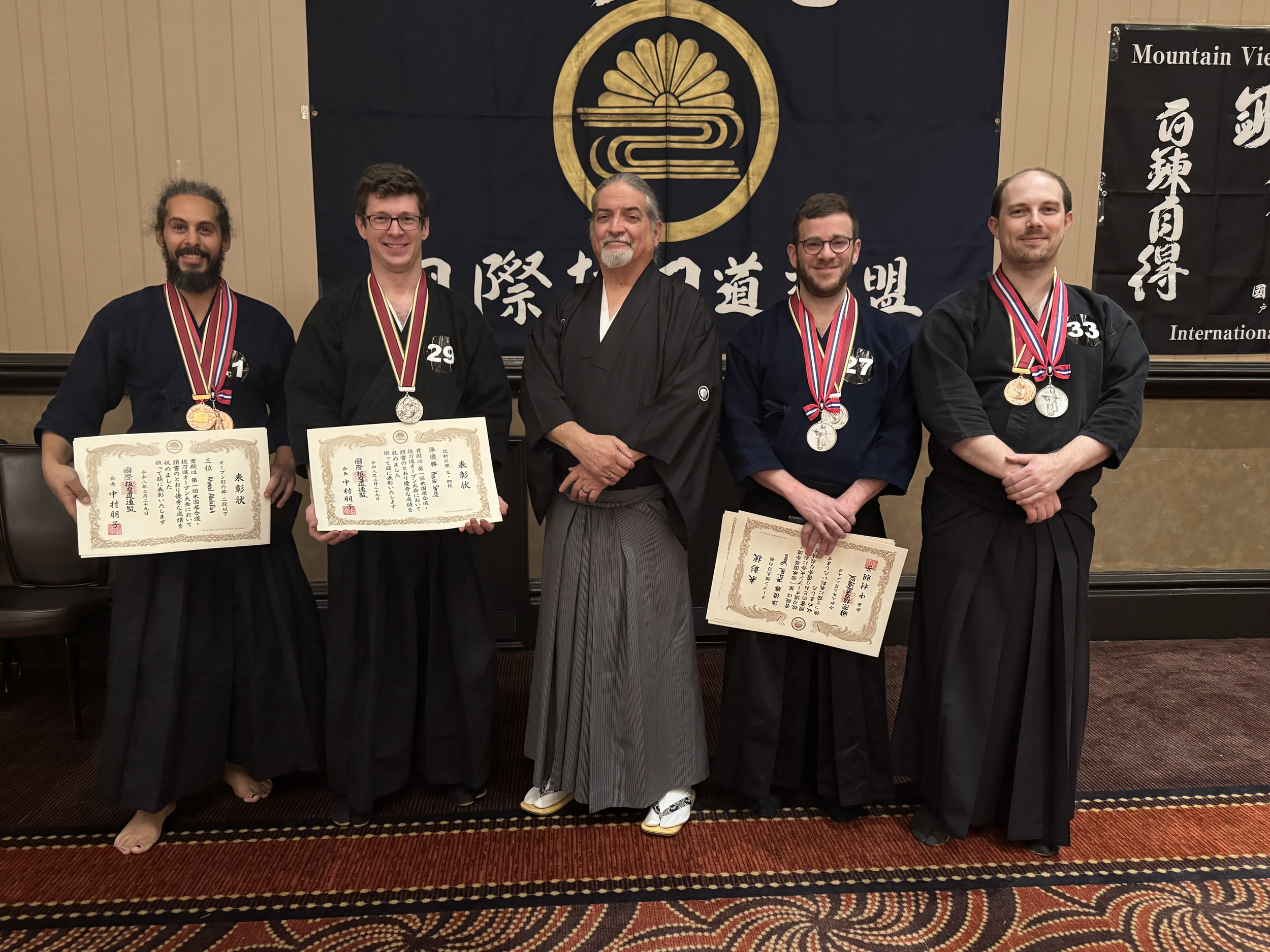
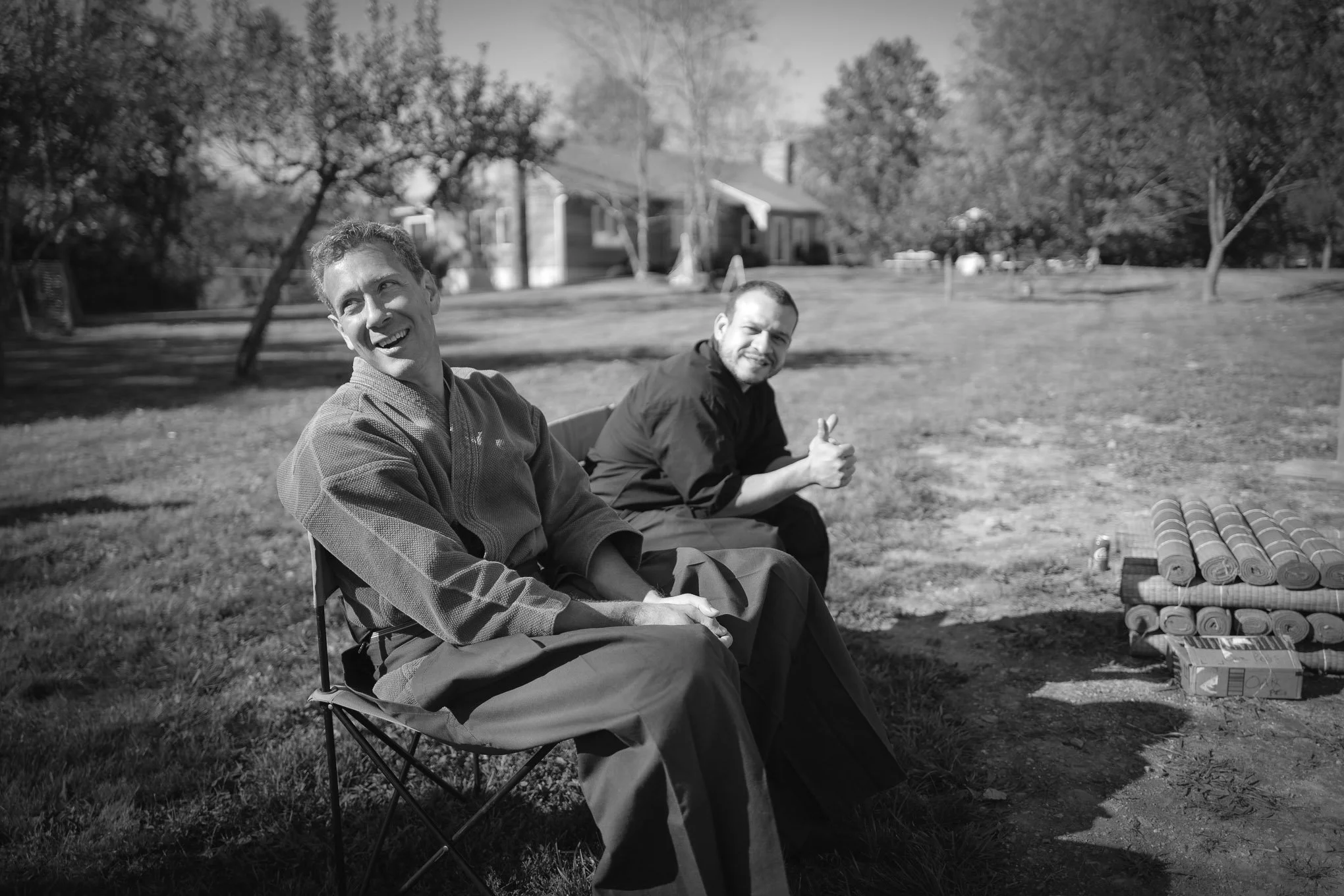
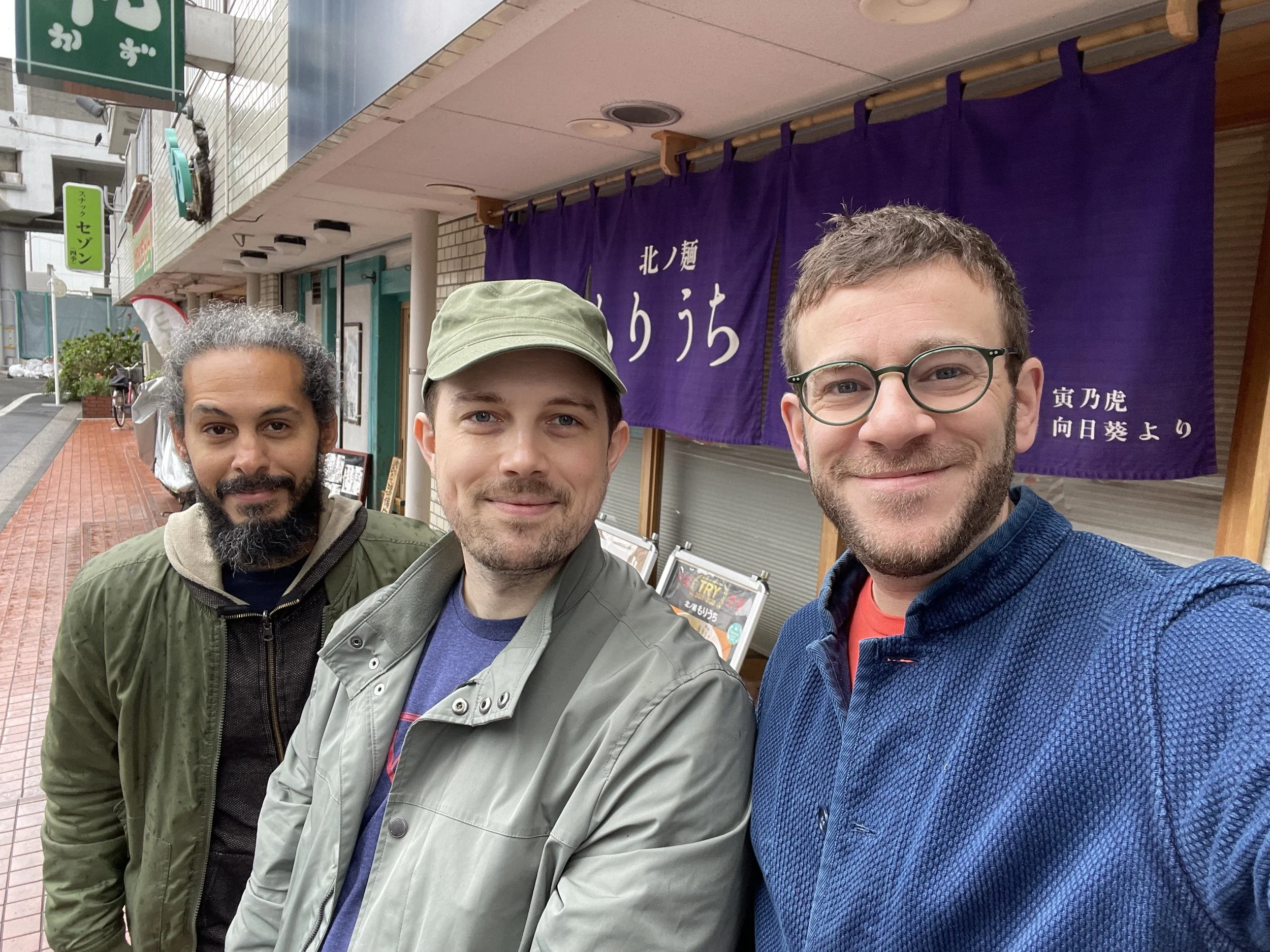
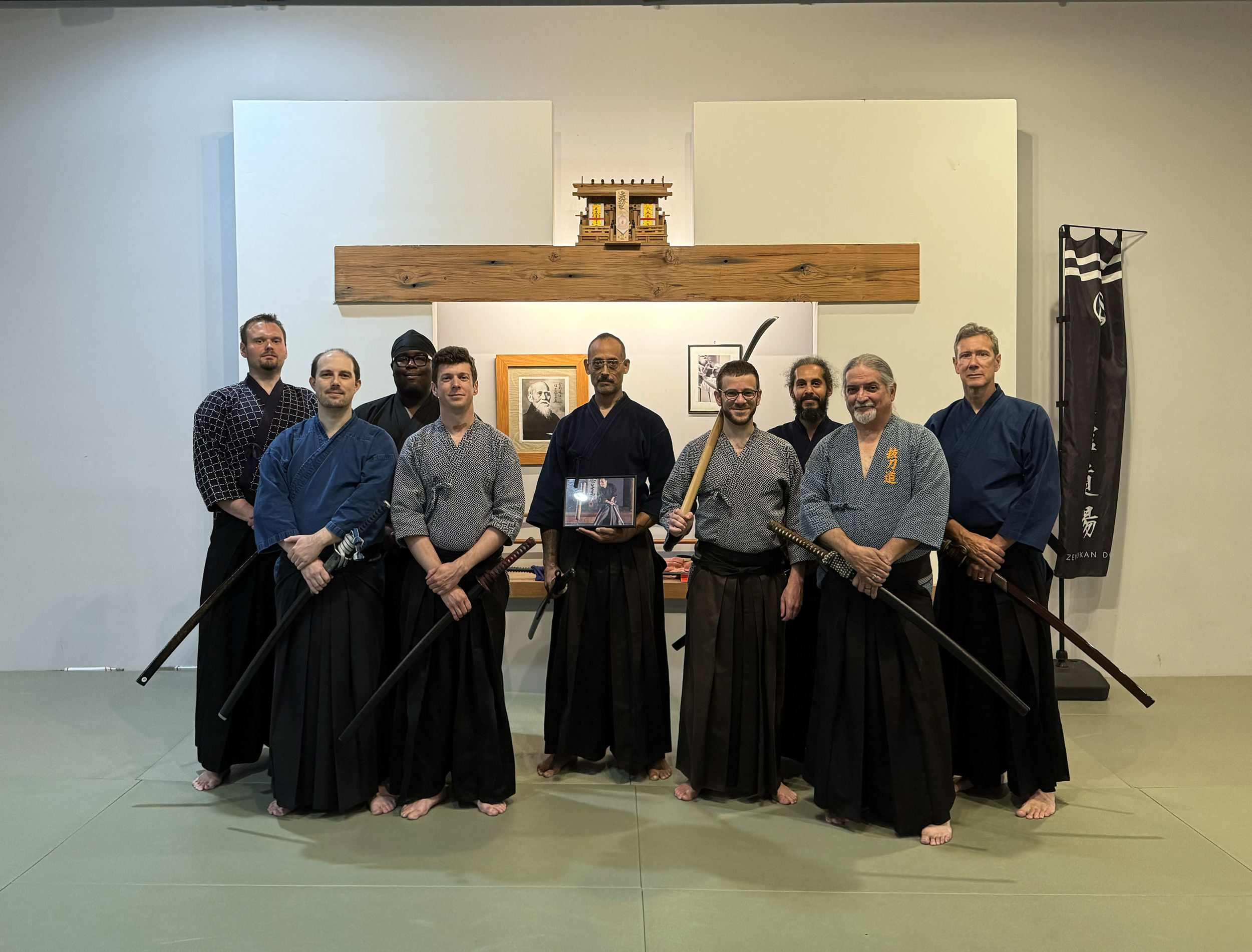
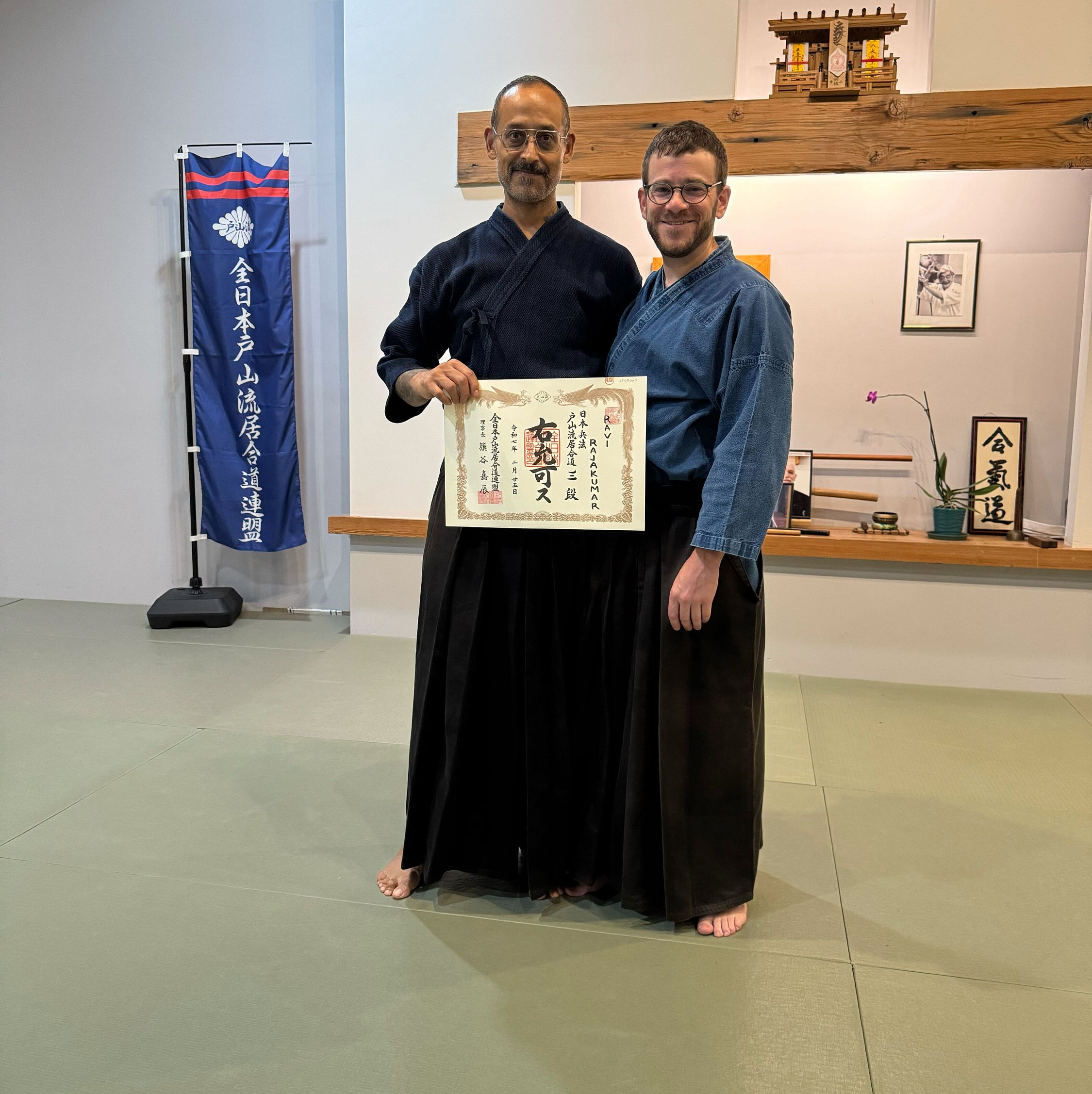
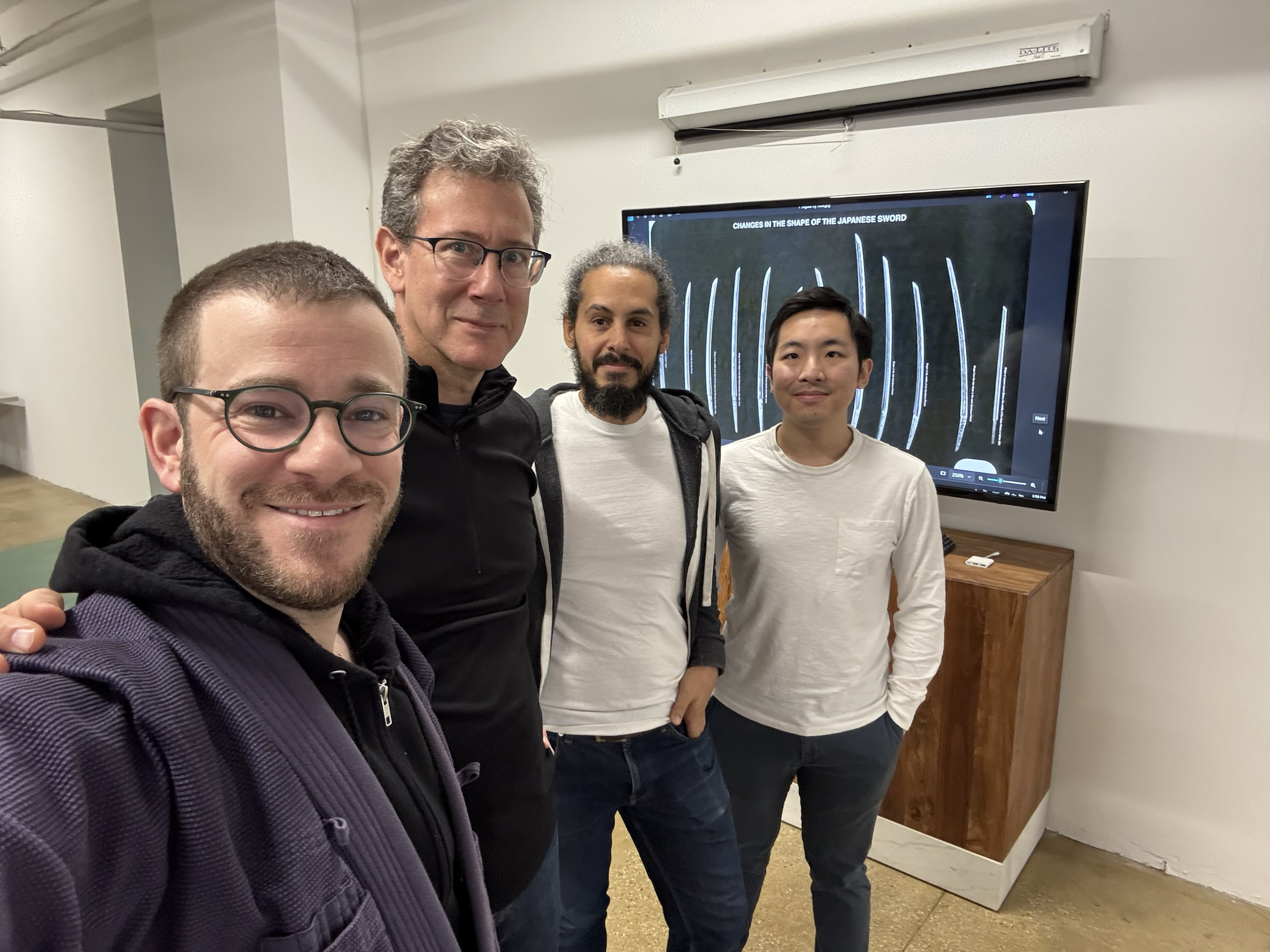
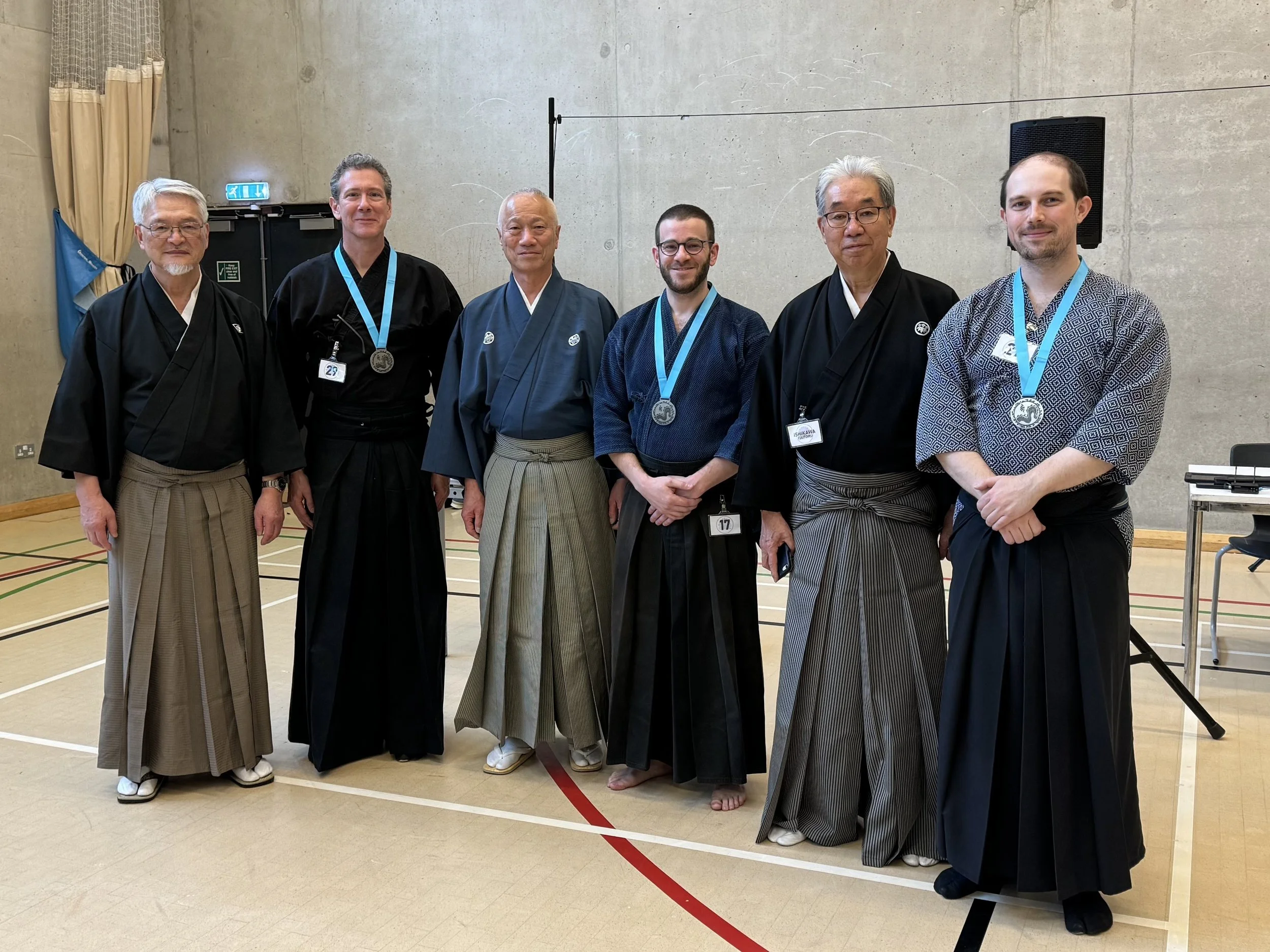
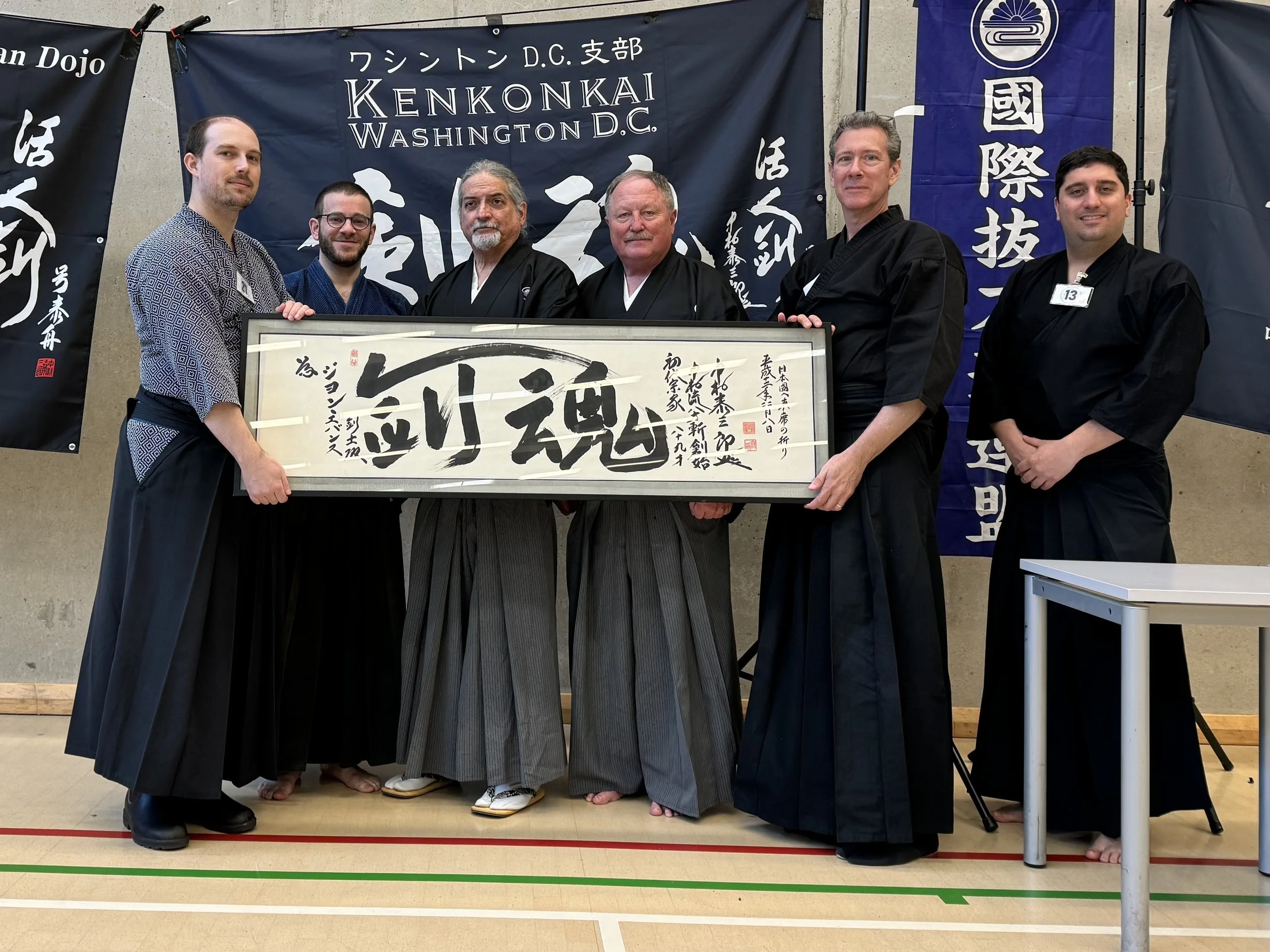
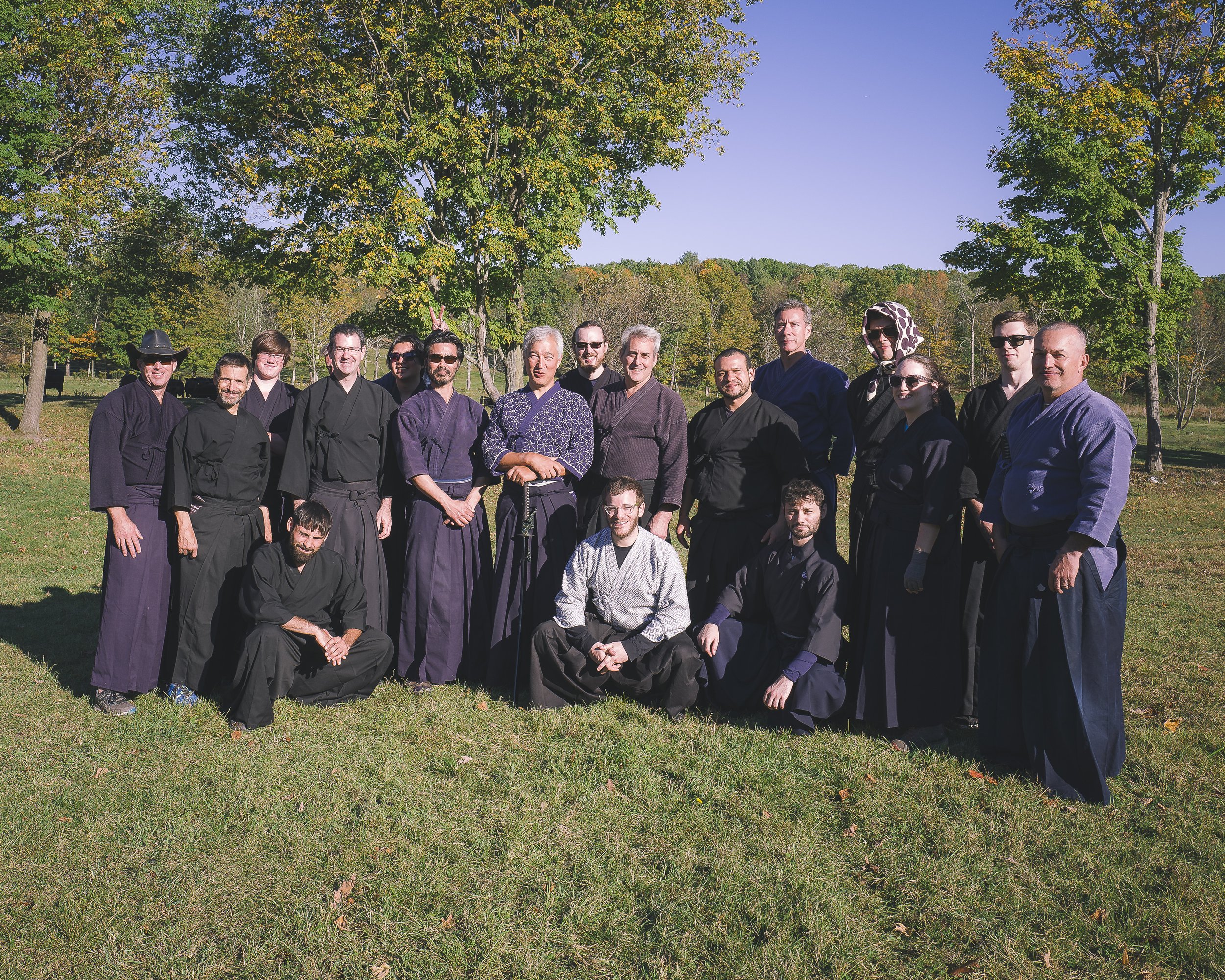
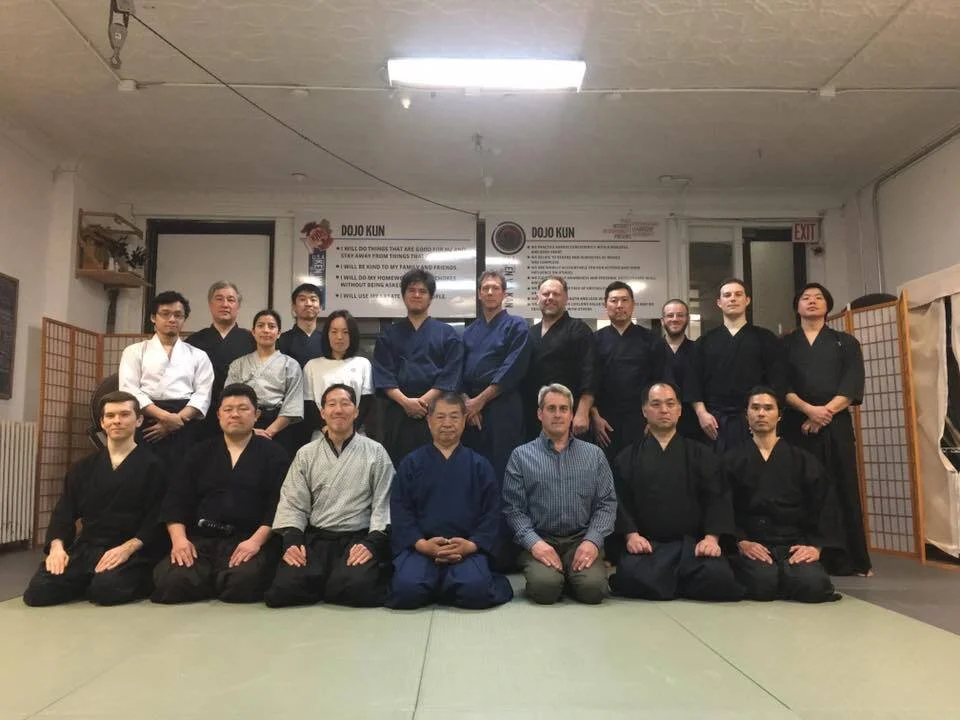
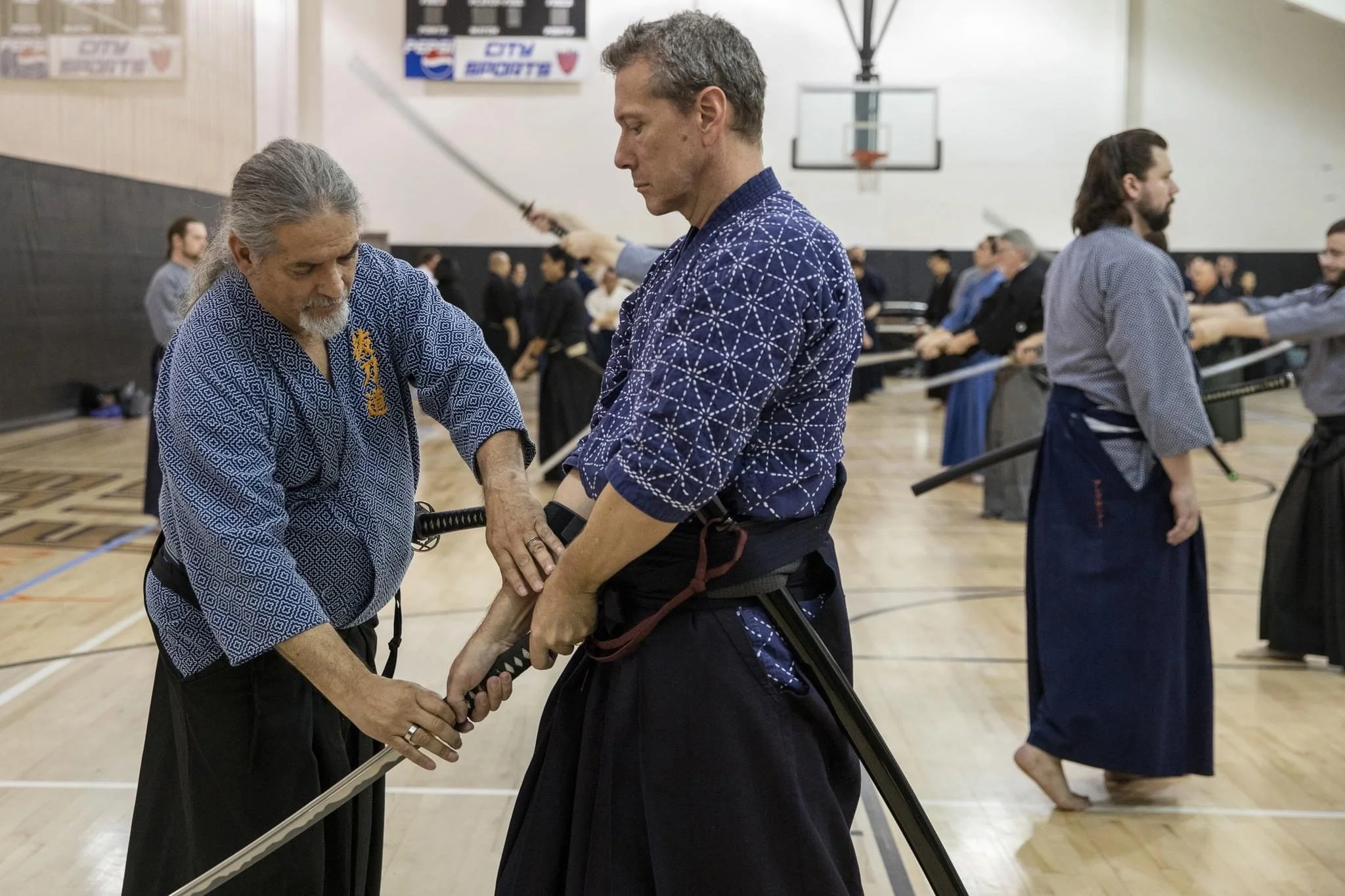
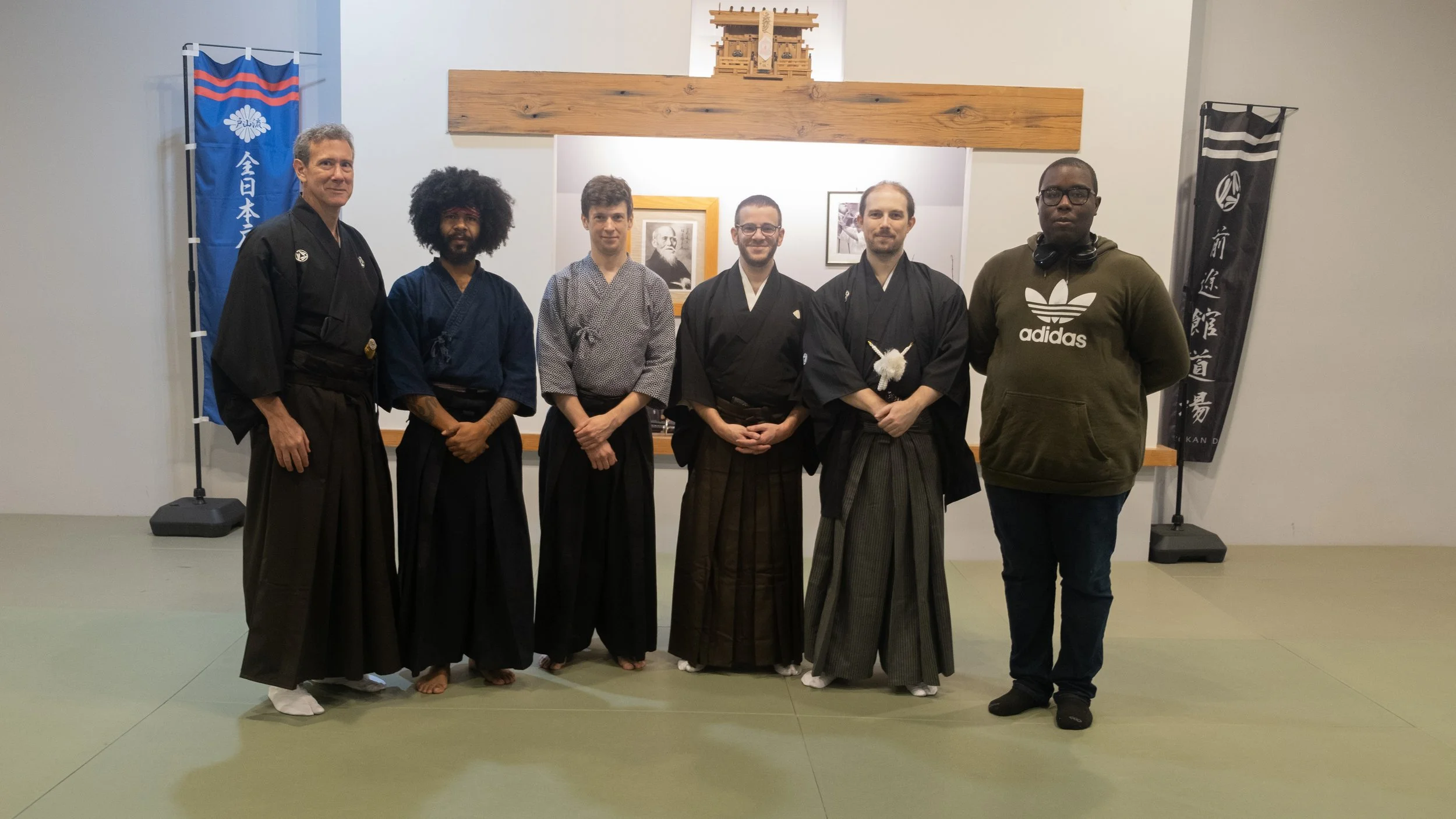
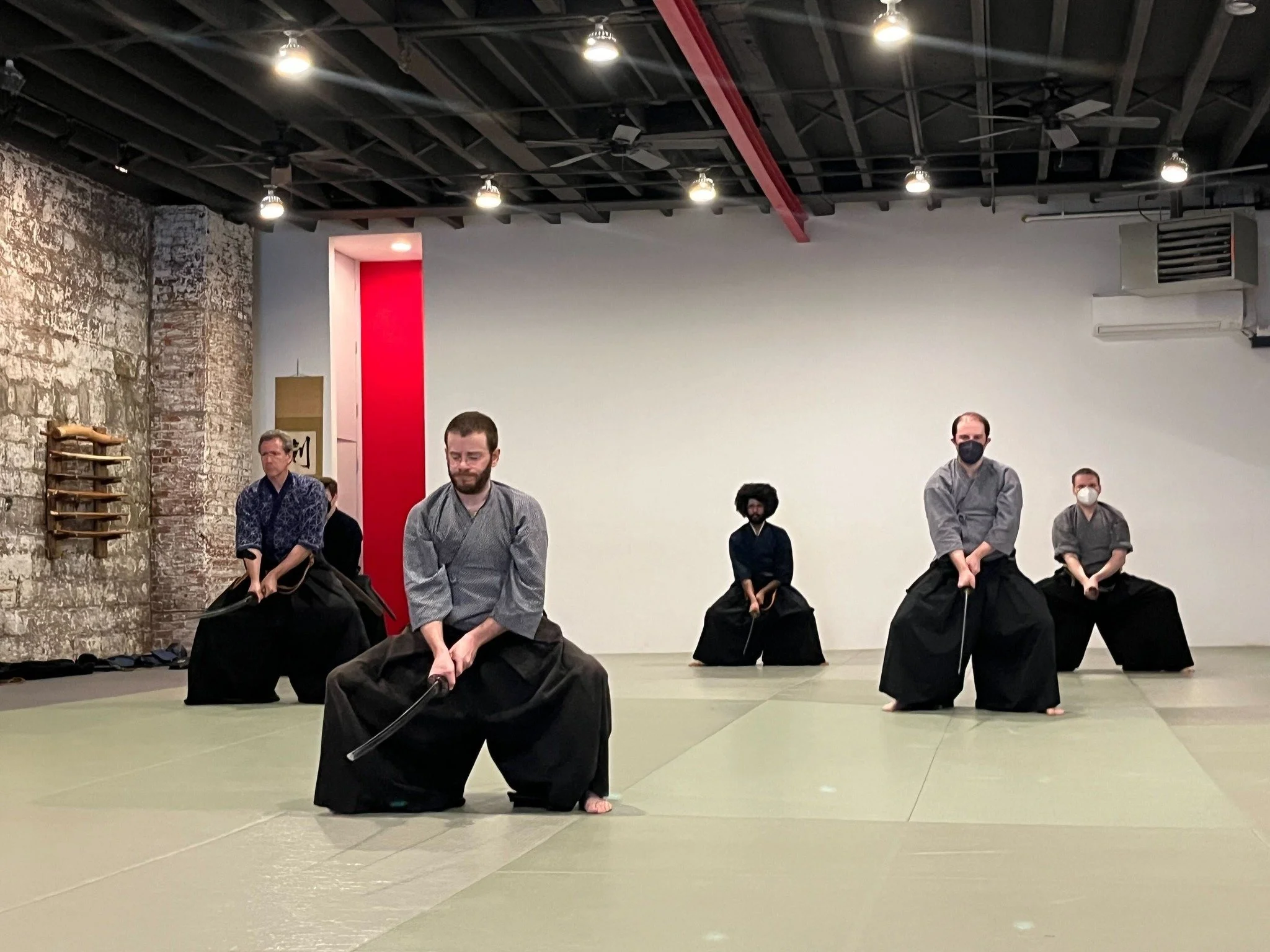
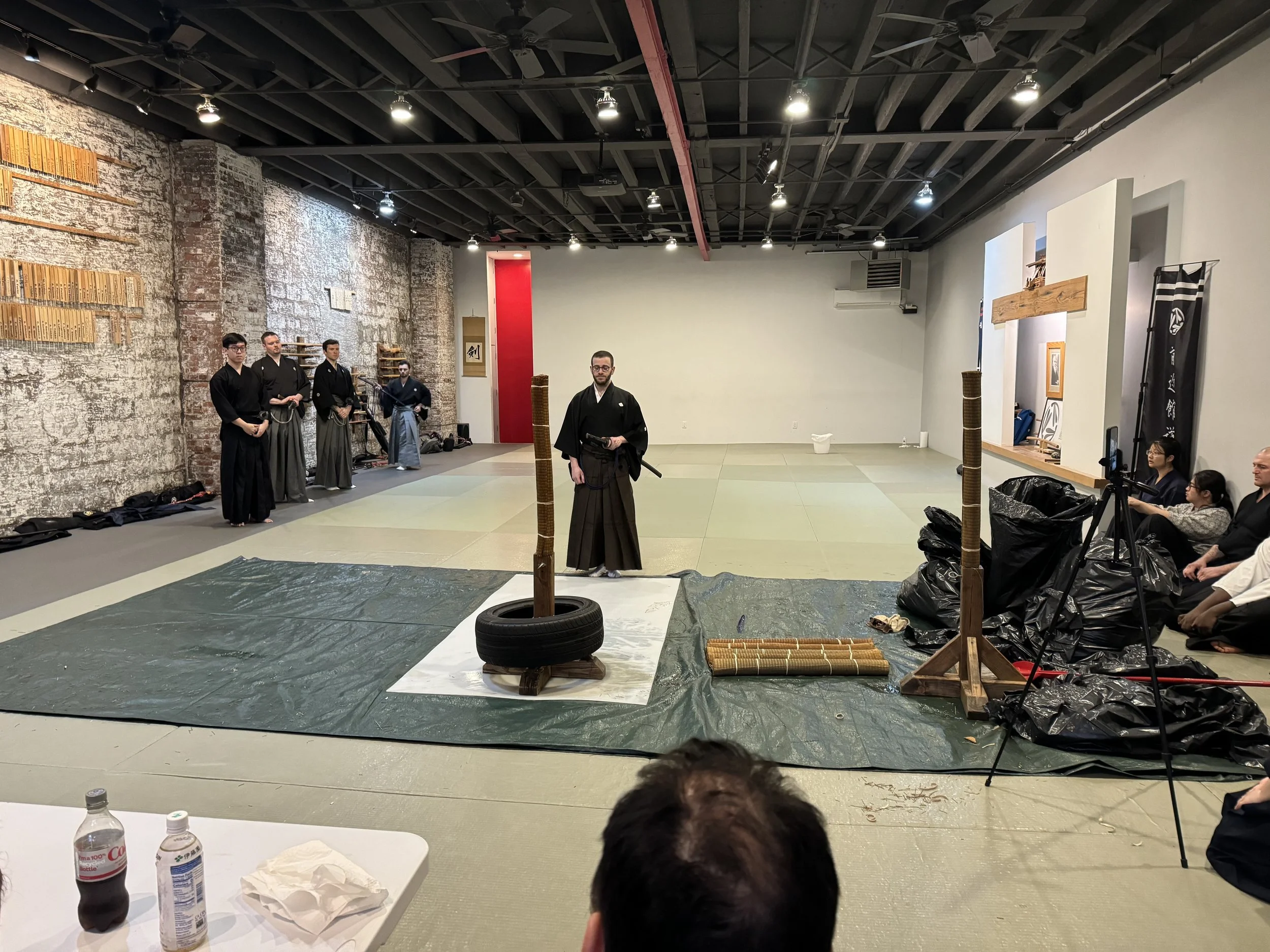
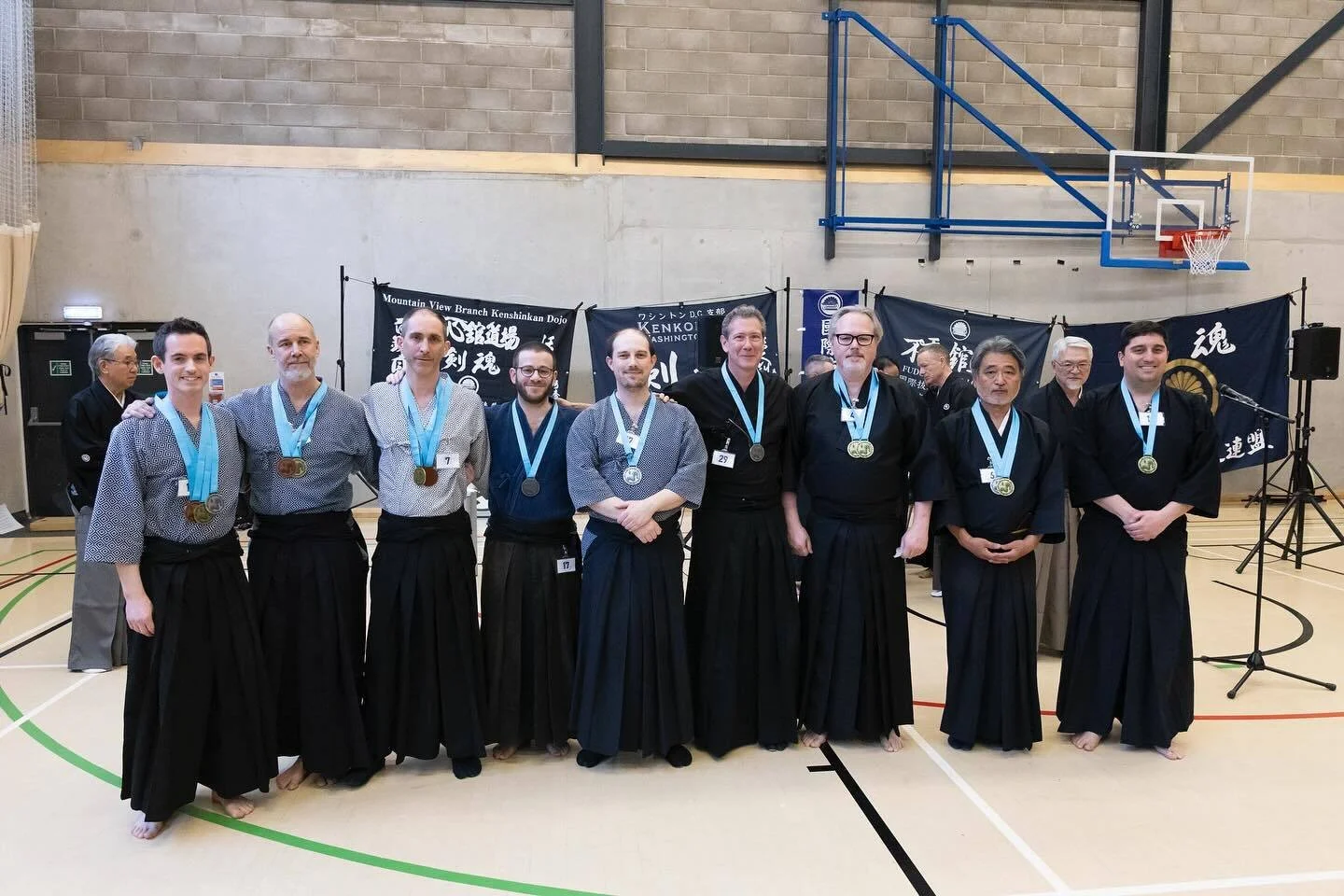
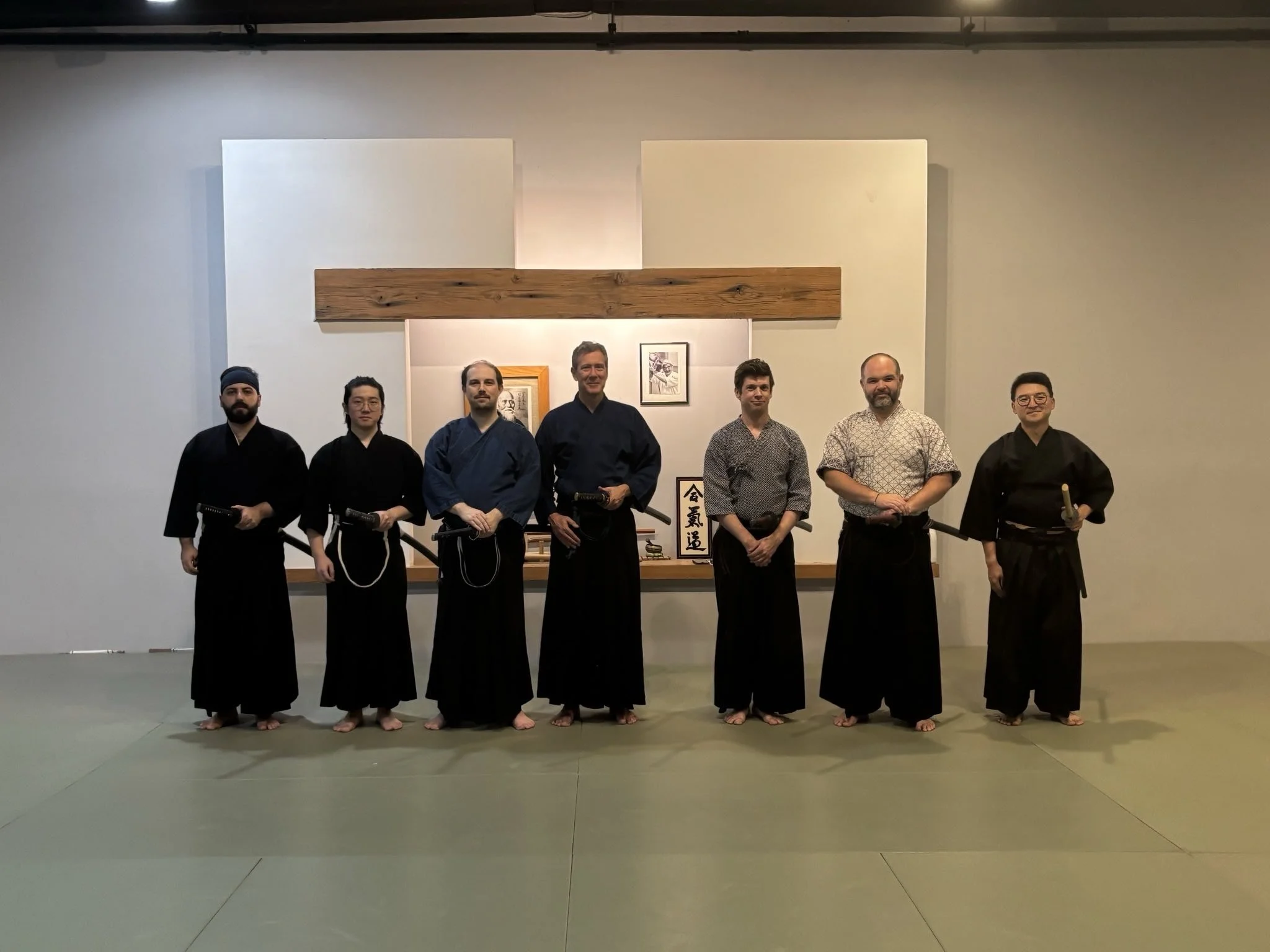
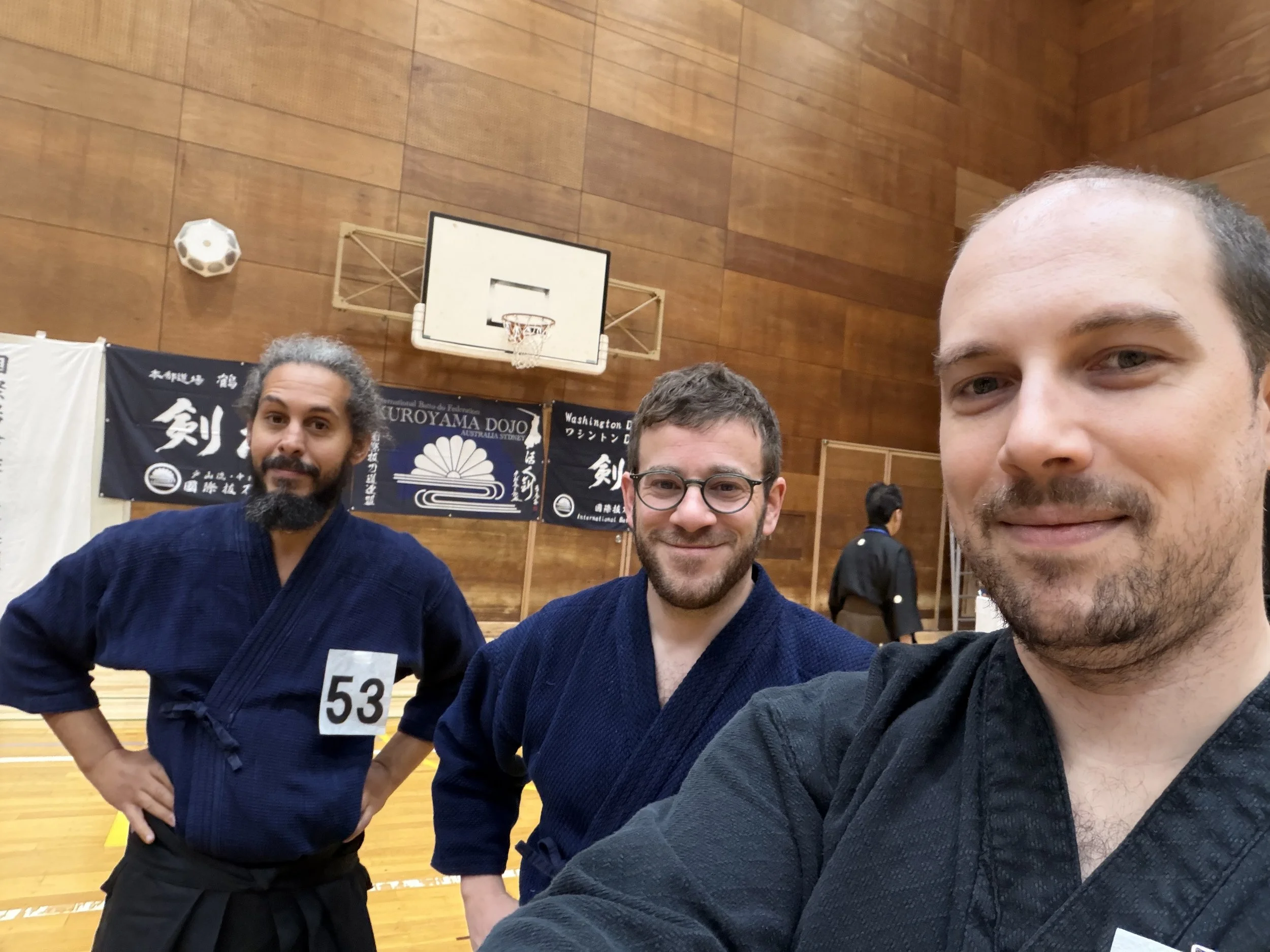
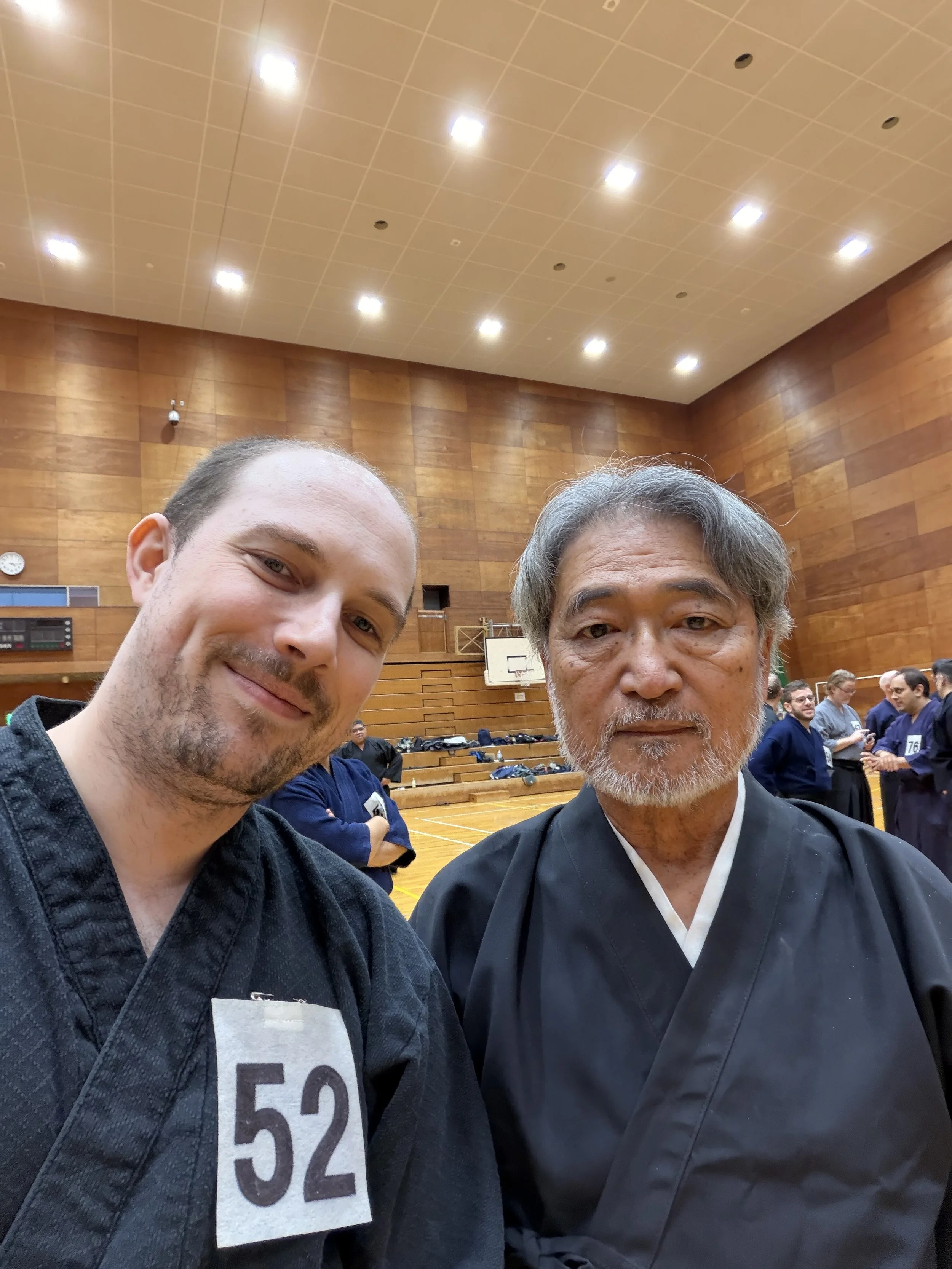
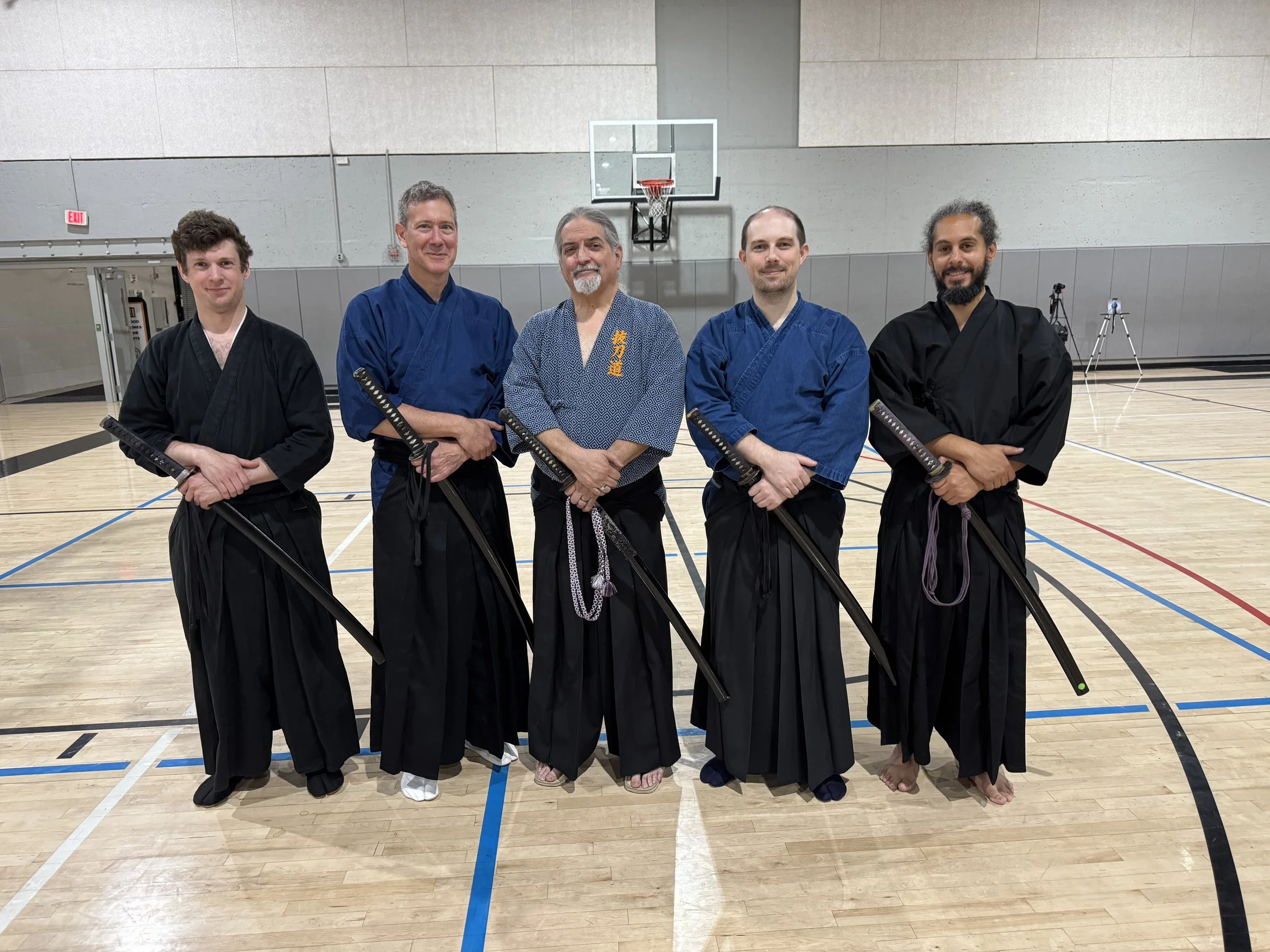
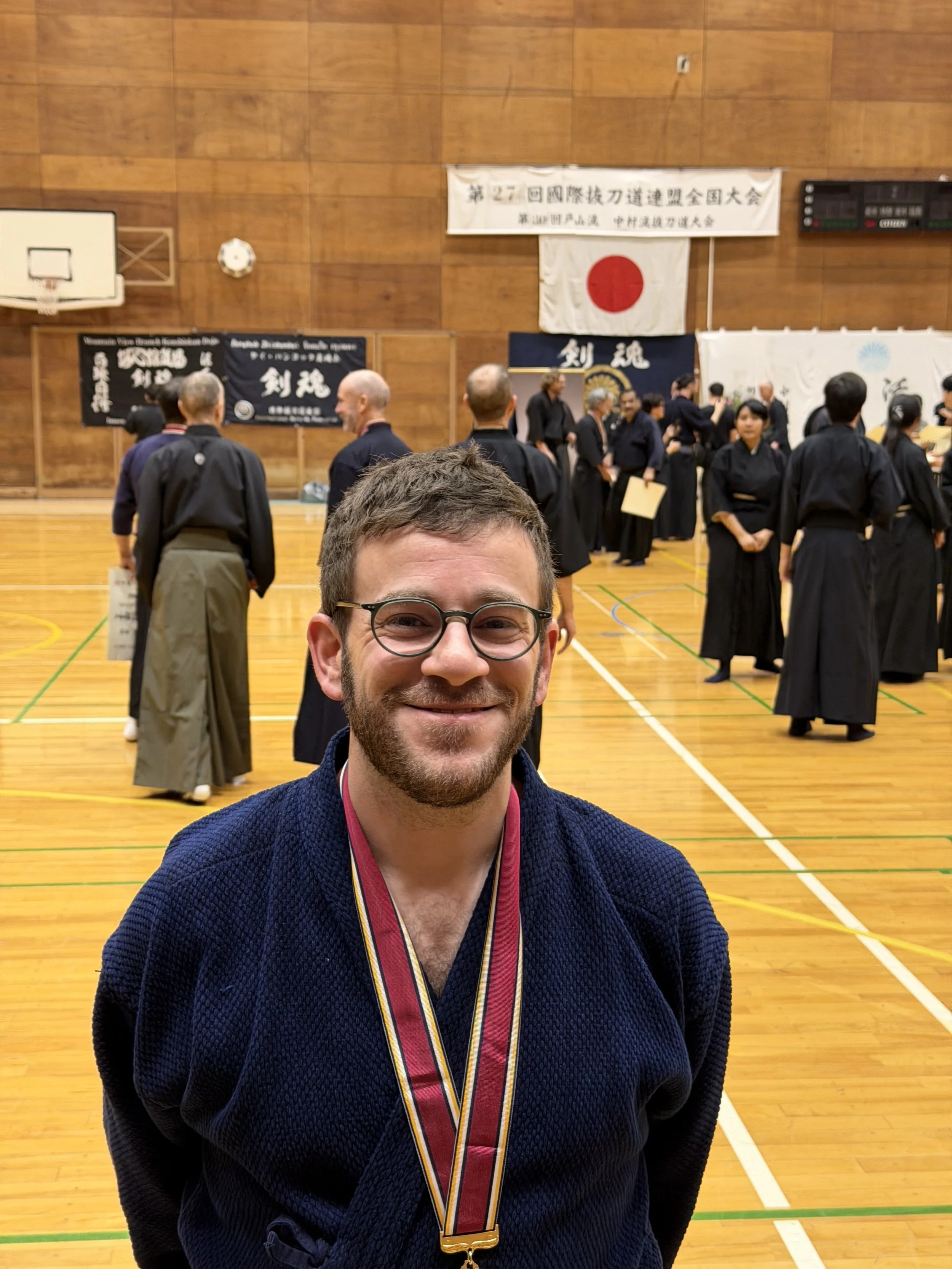
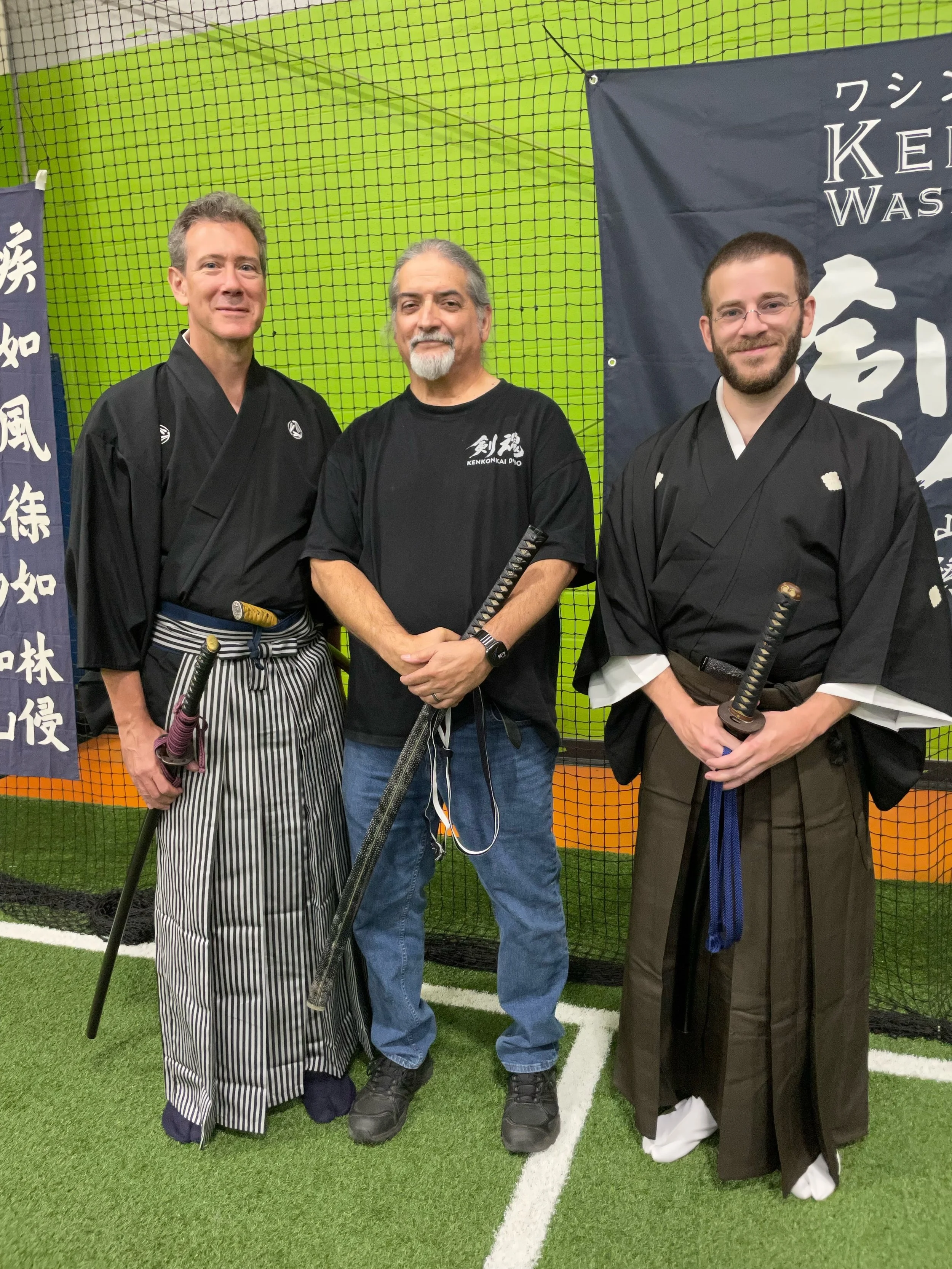
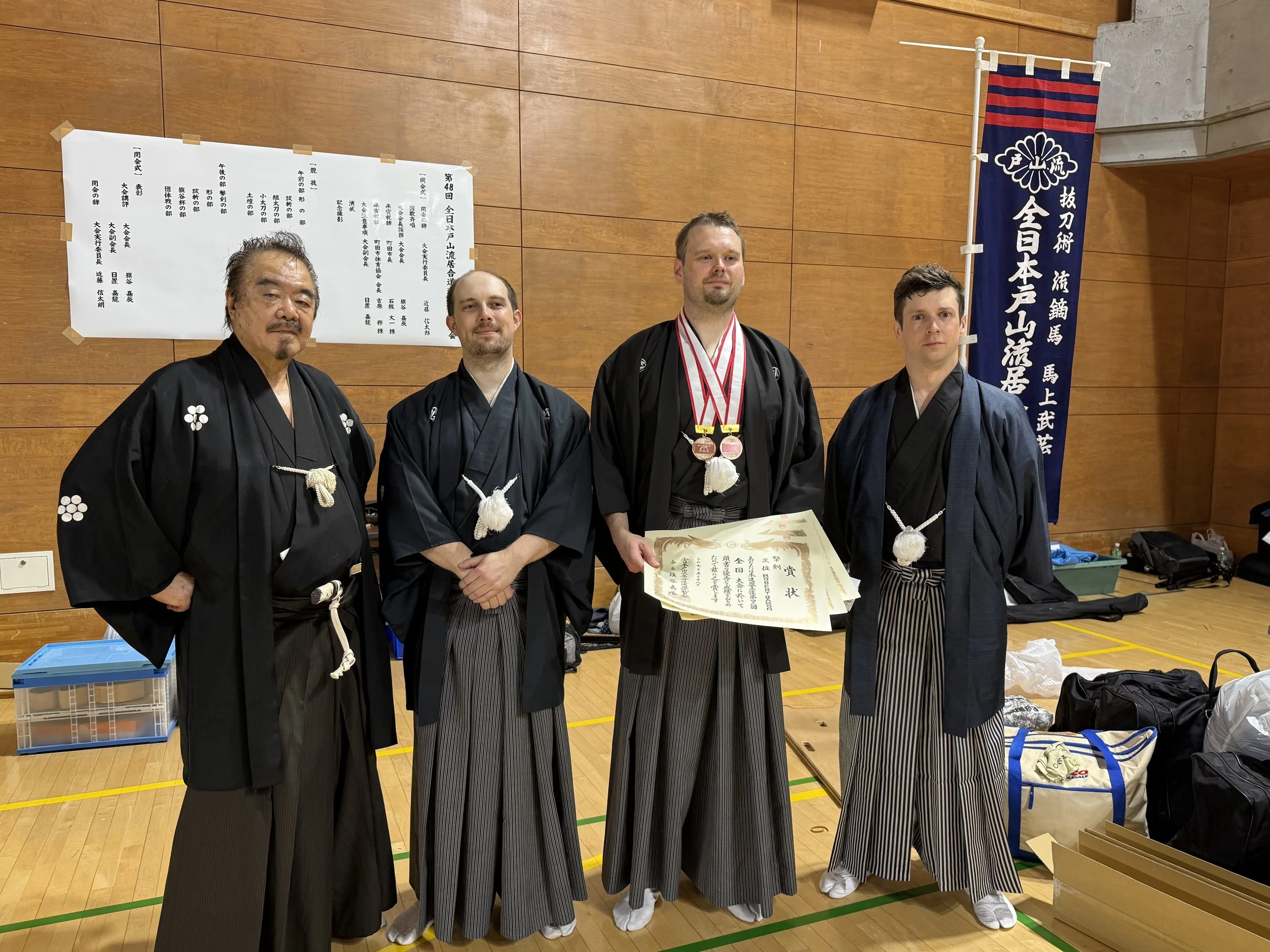
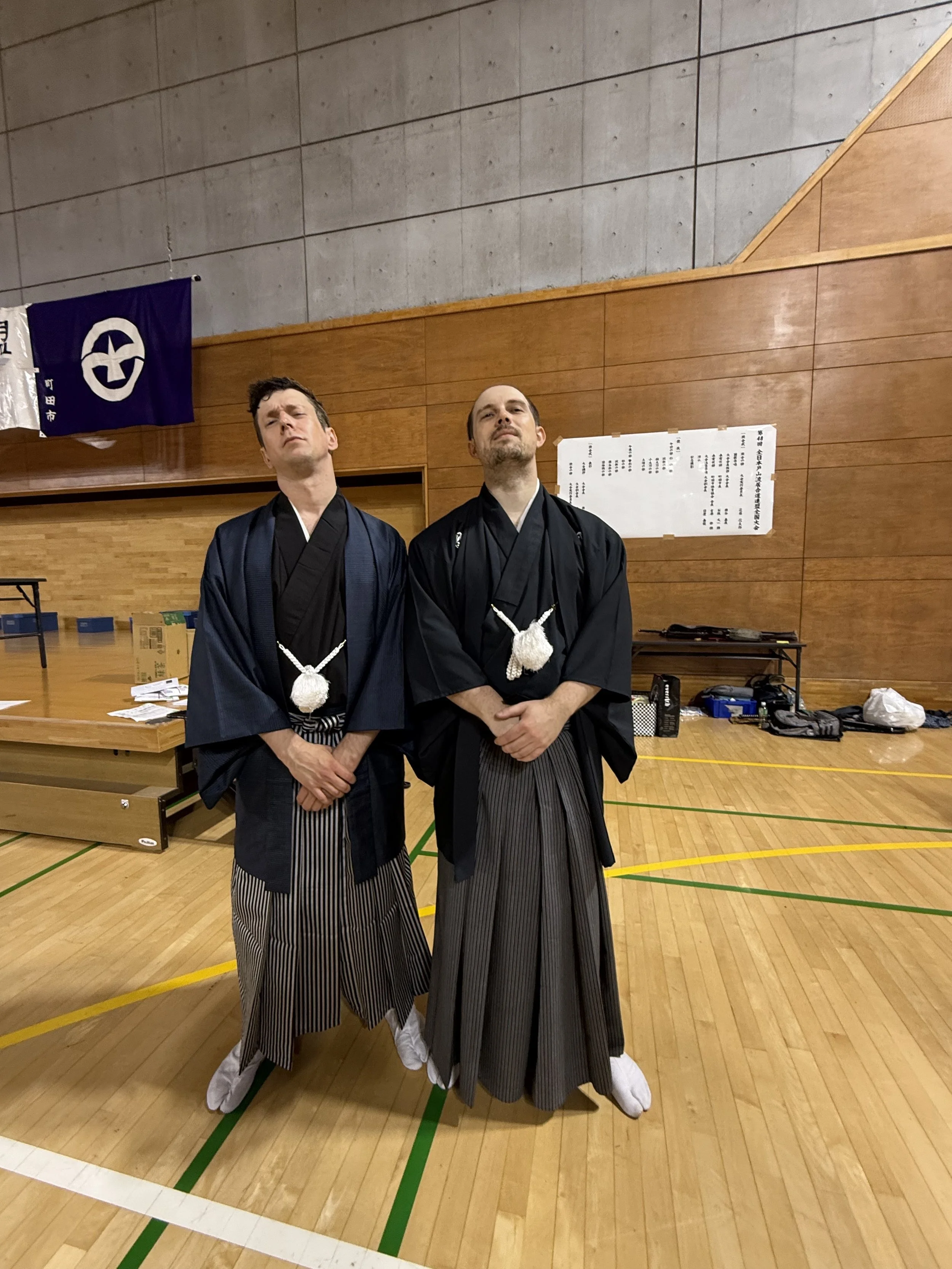
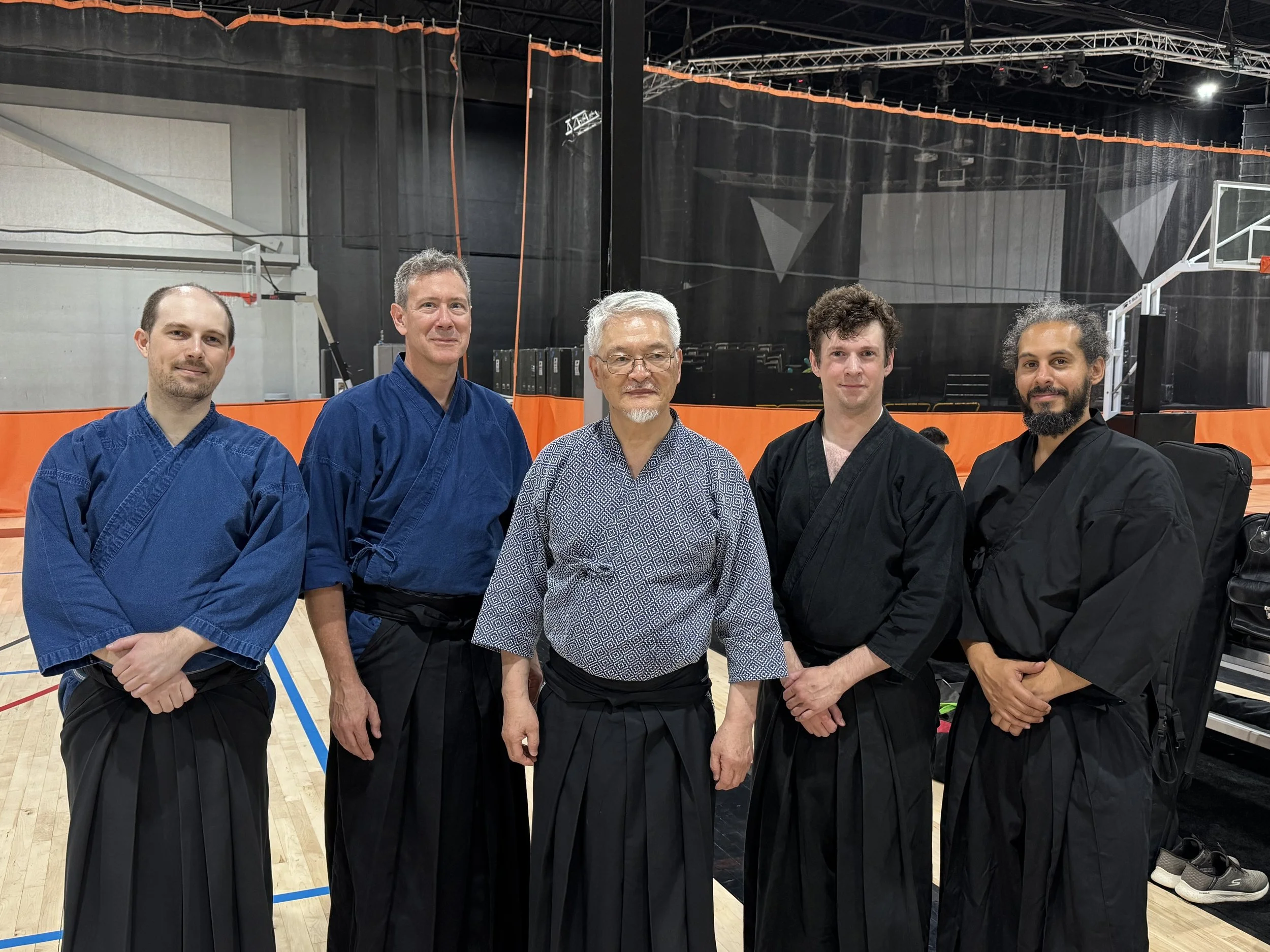
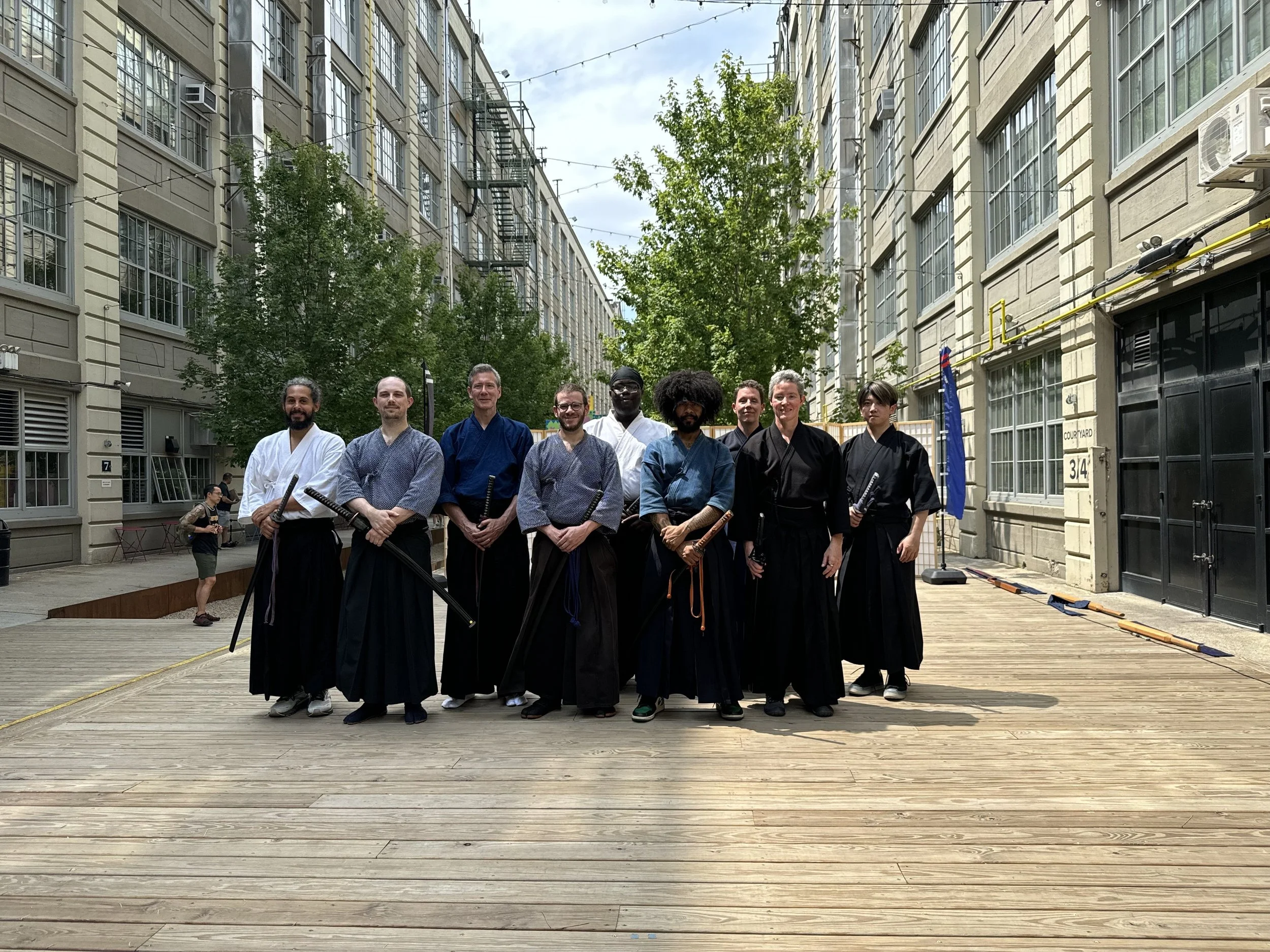
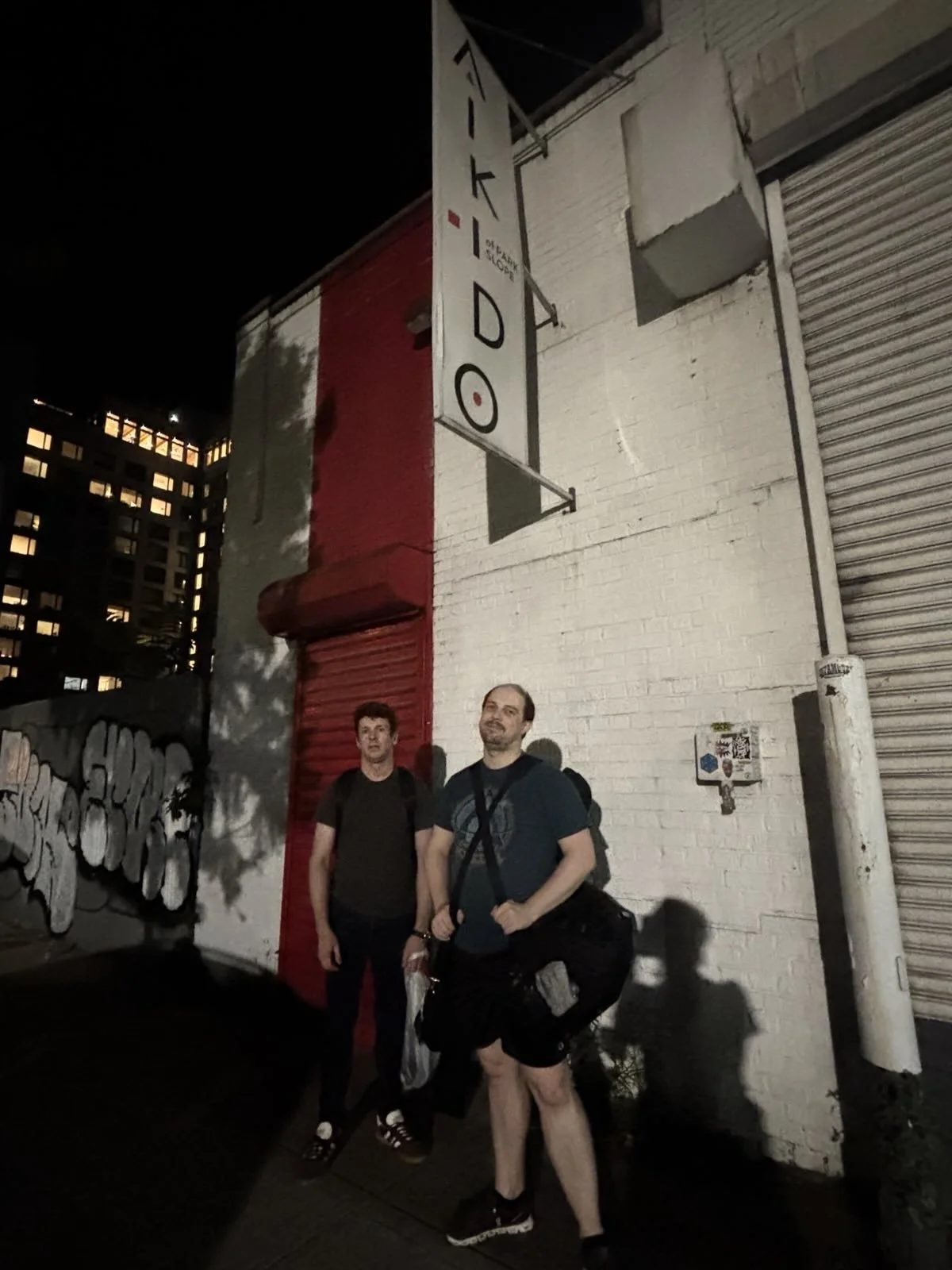
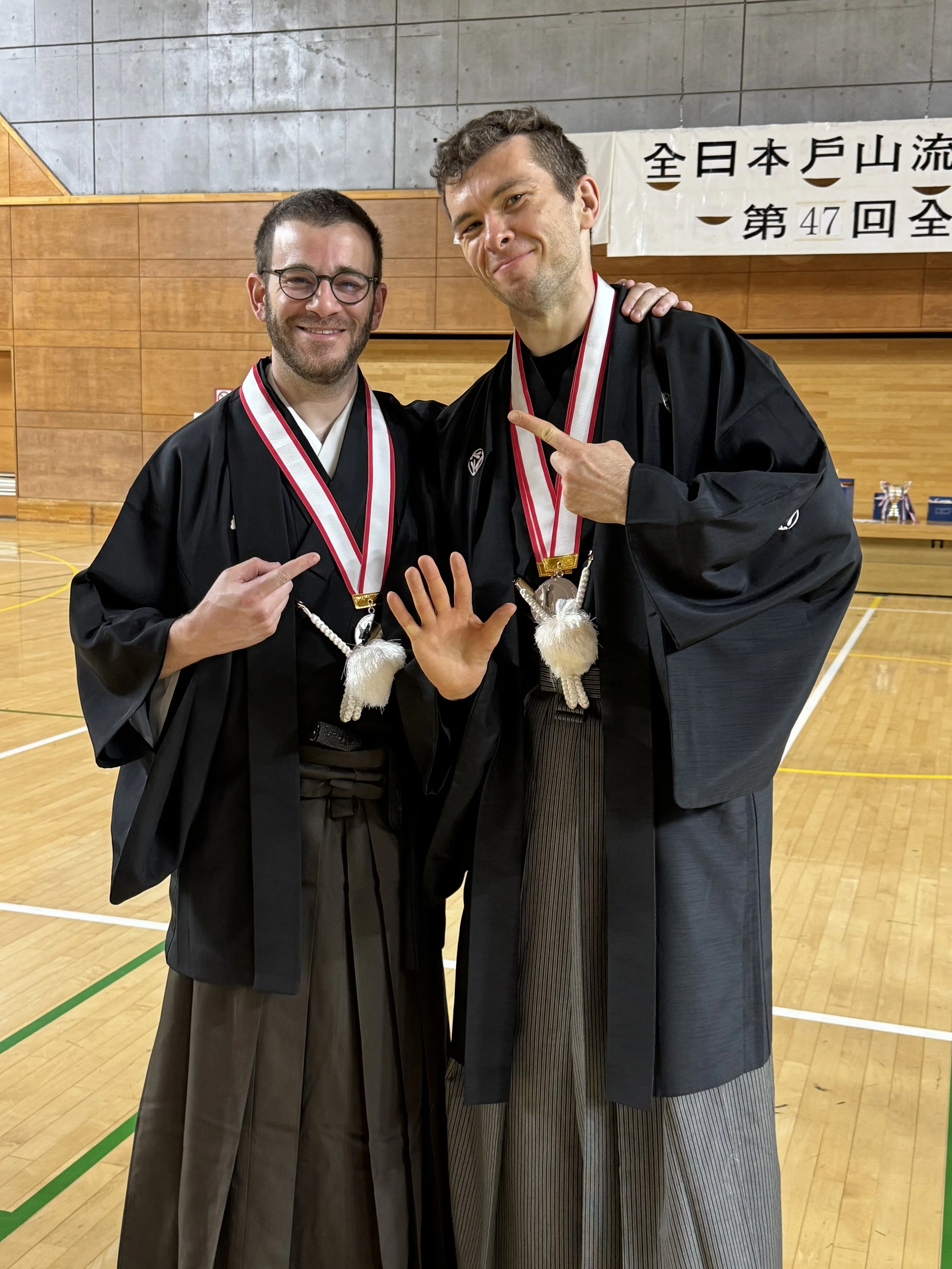
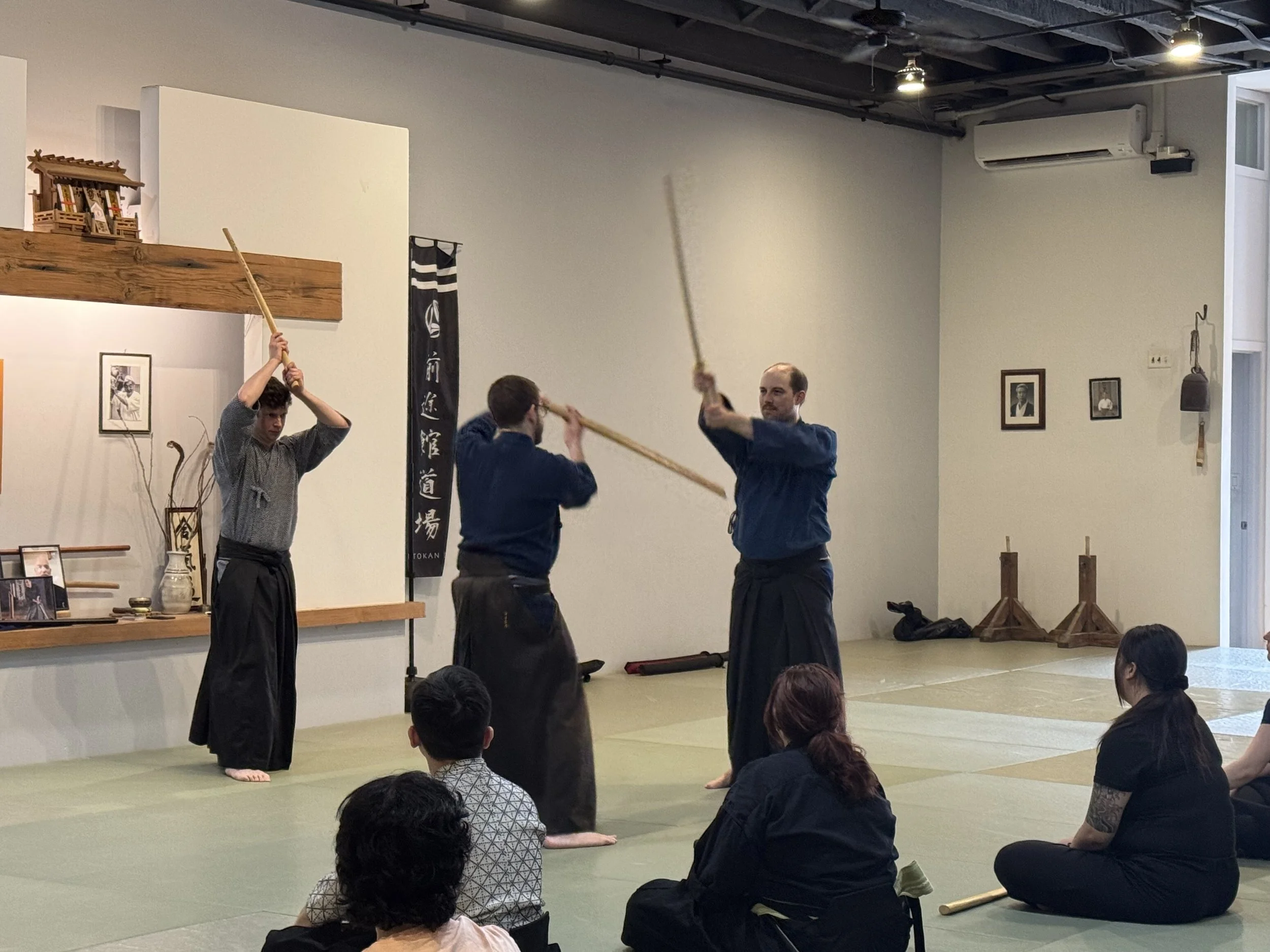
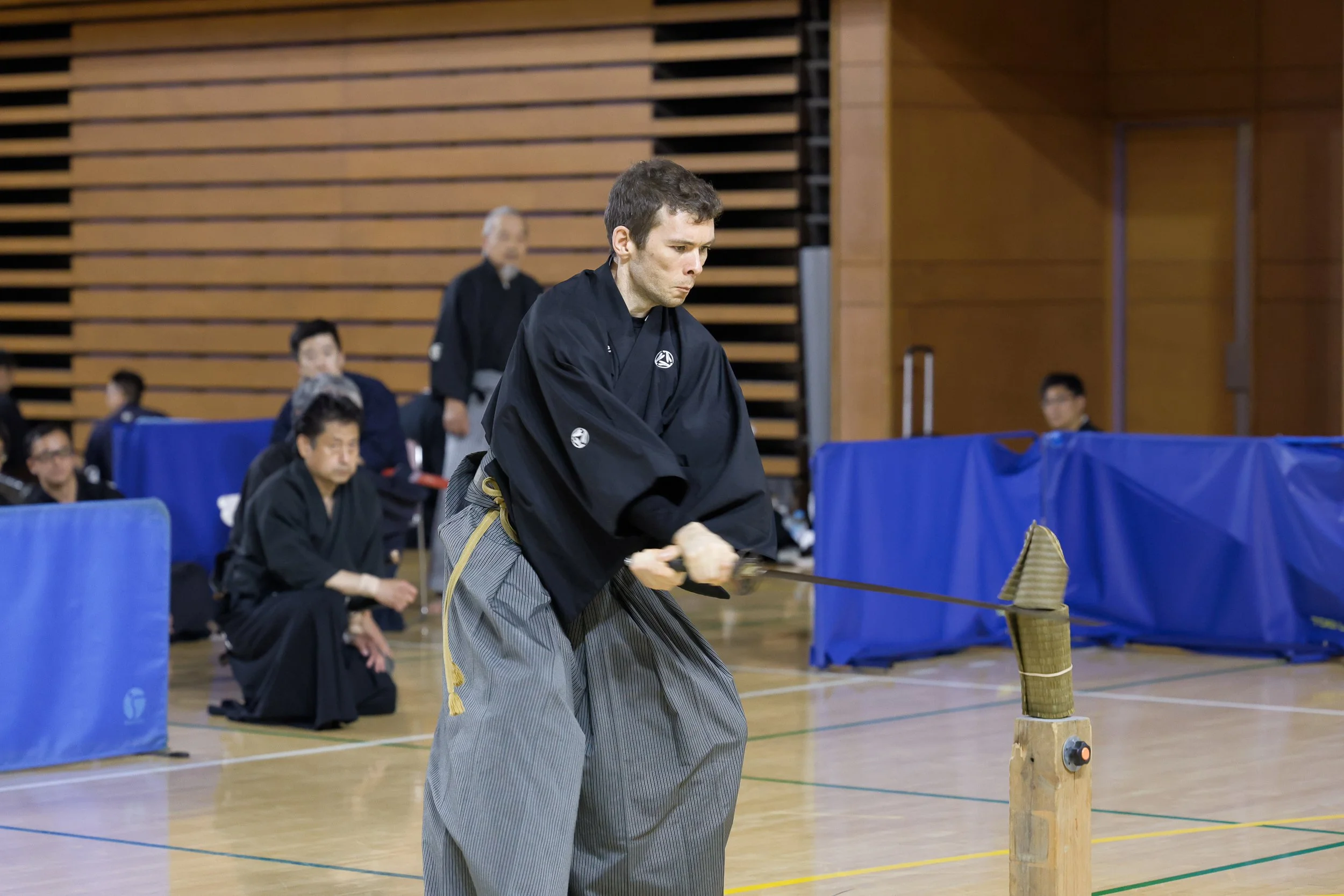
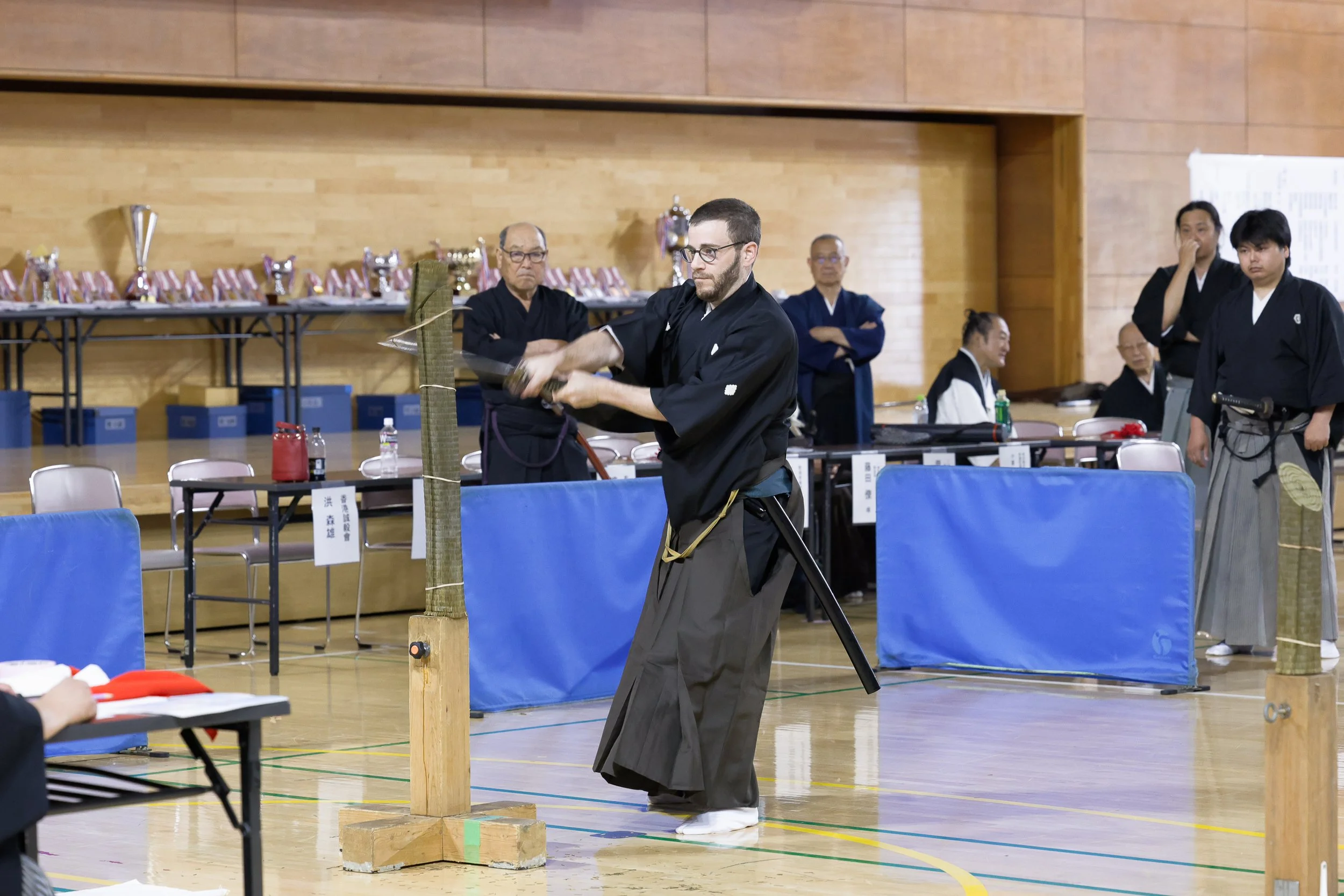
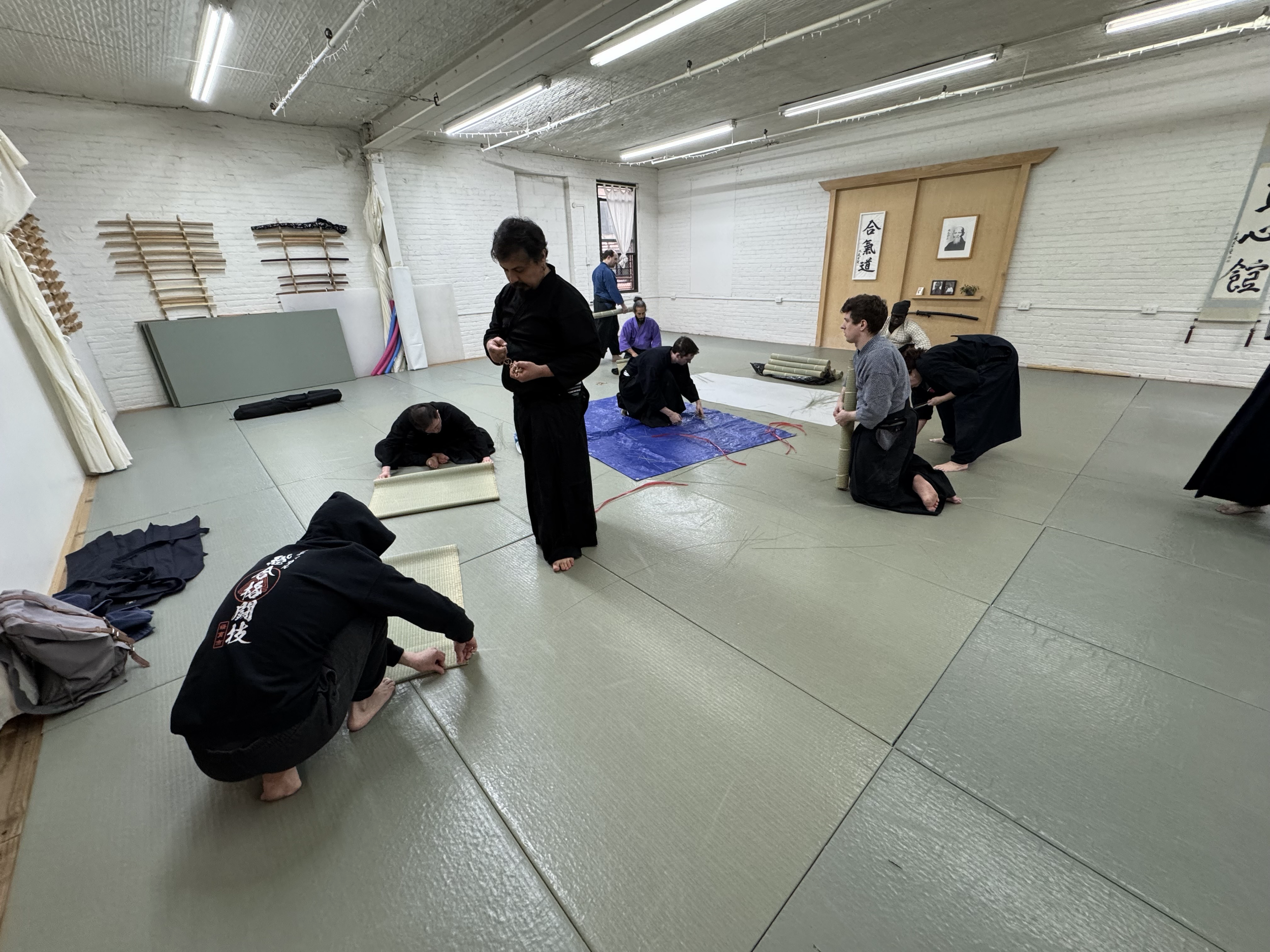
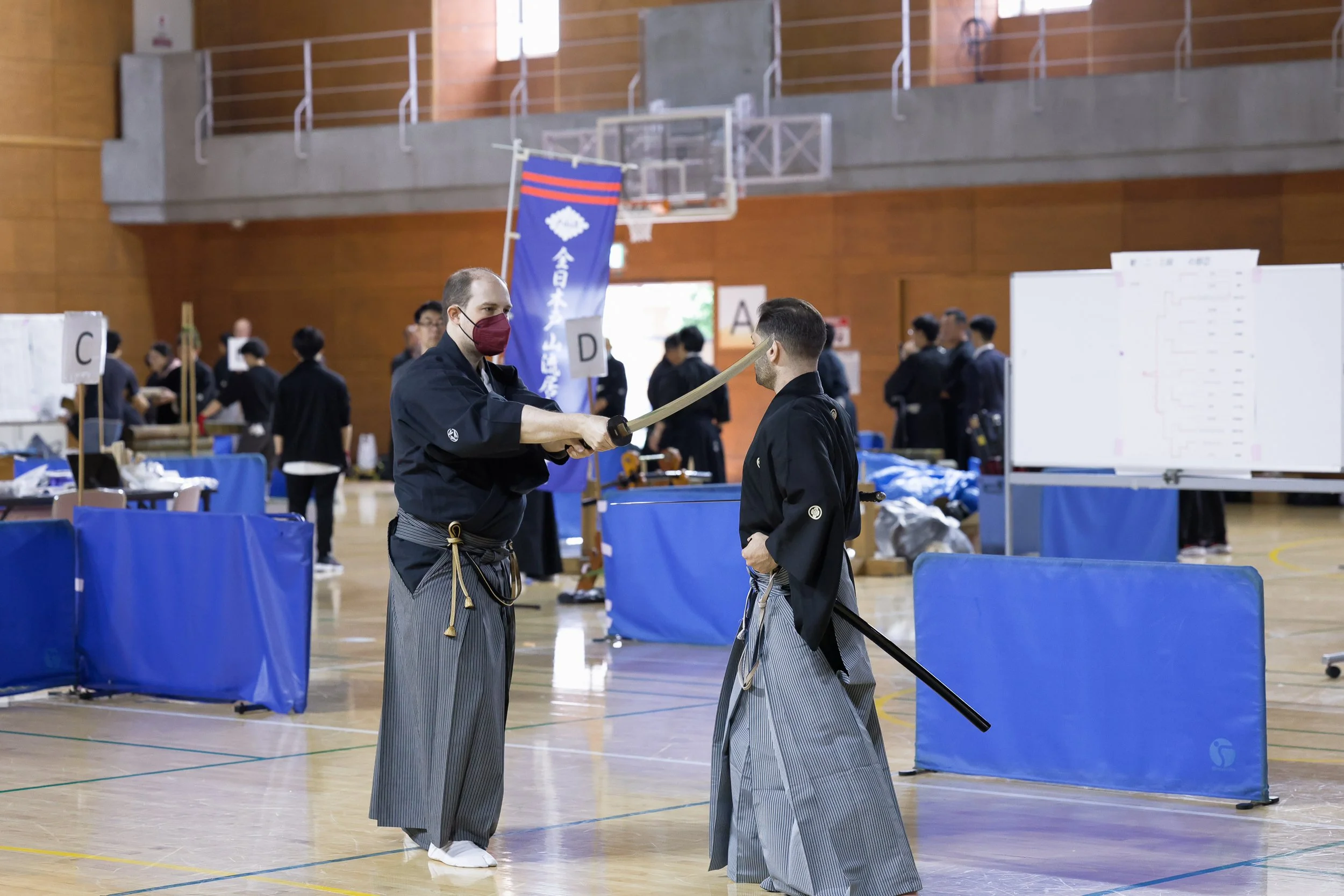
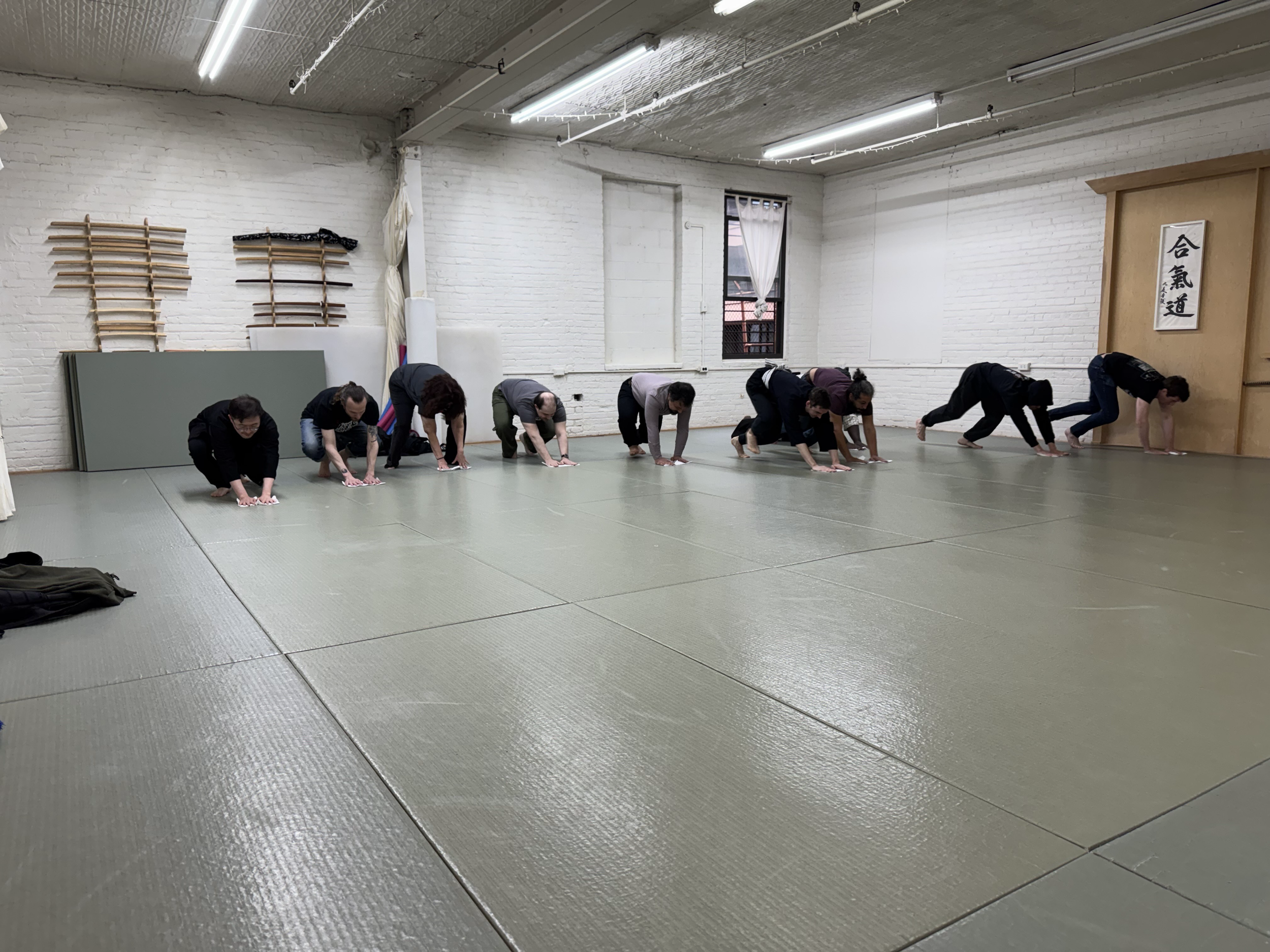
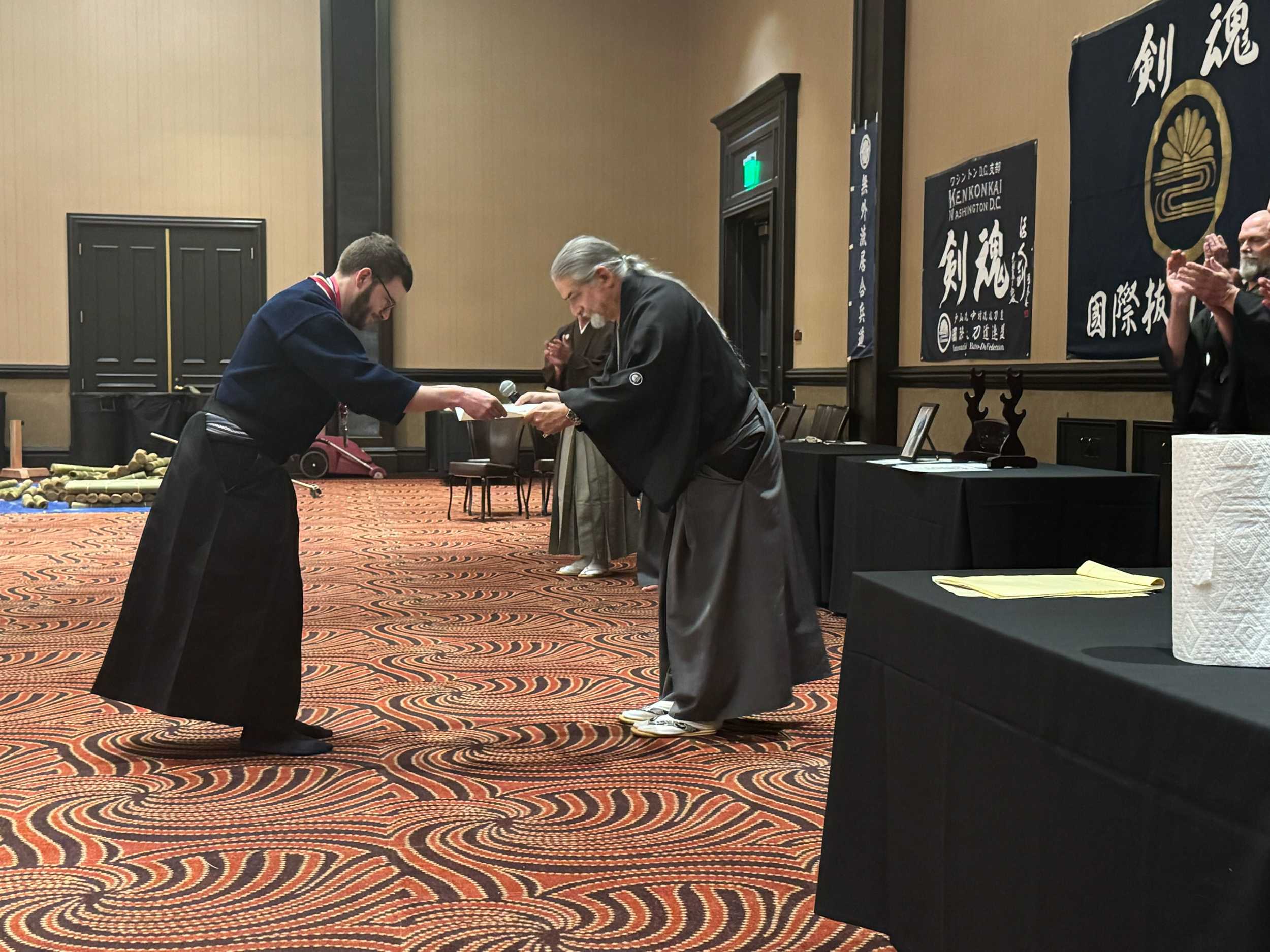
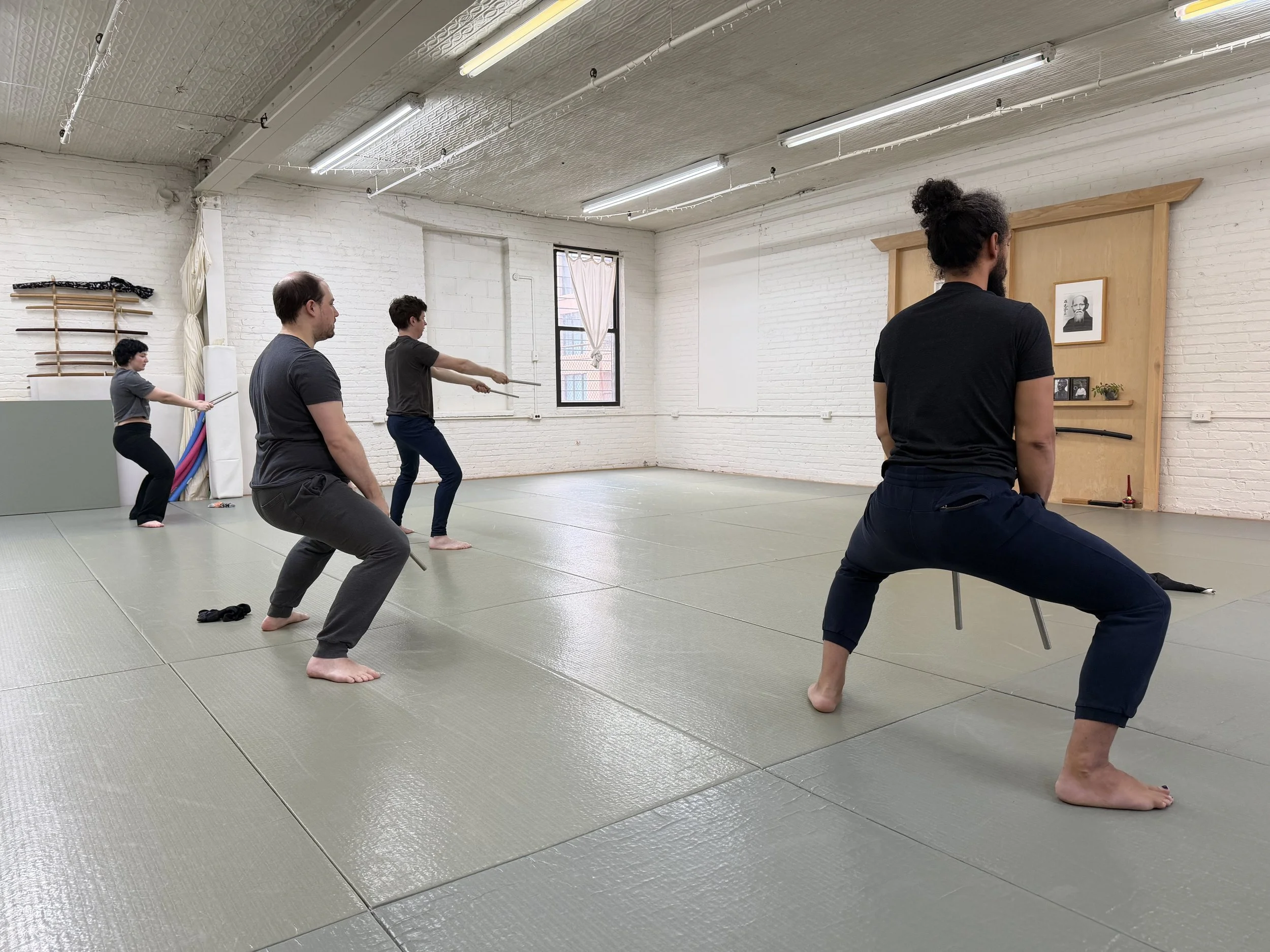
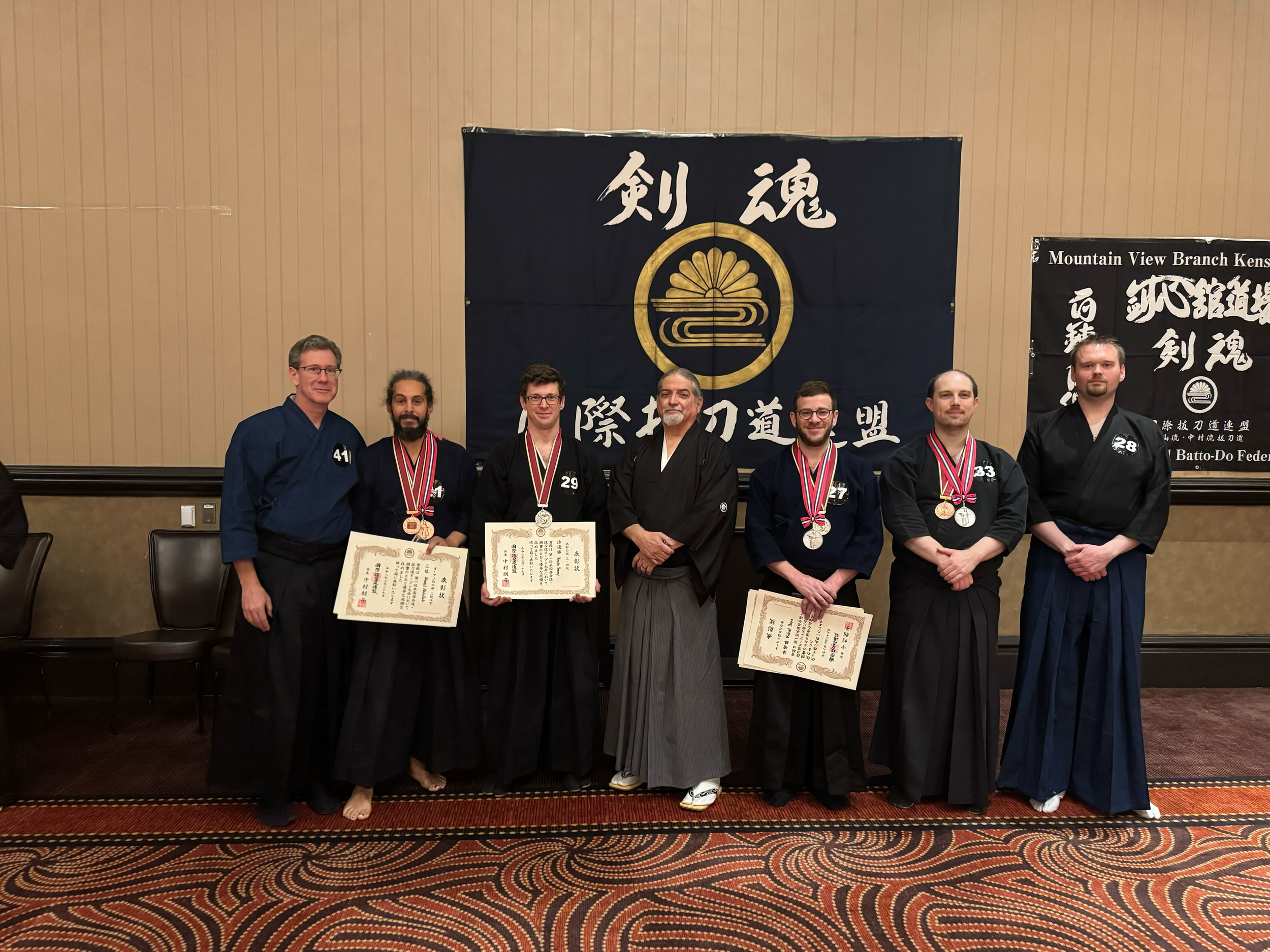
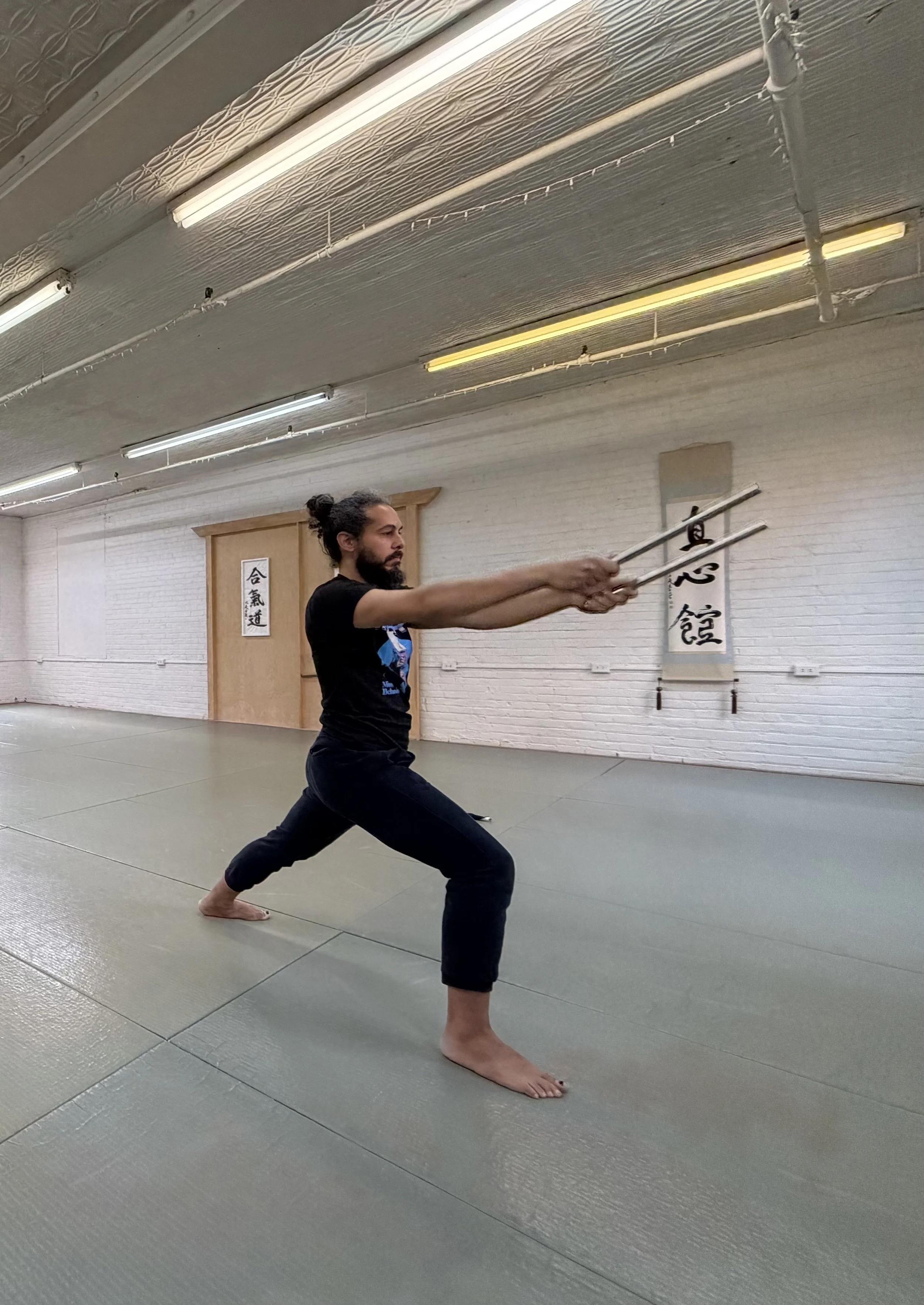
Not long after I started practicing, I asked Zach sensei how I was progressing. His reply was simple: "ishi no ue ni mo san nen" (石の上にも三年), which means "three years on a boulder". The idea is that if you sit on a rock continuously for three years, it will become warm simply because you remain present. He was telling me not to worry about progress or attainment, that I just needed to keep training without regard for noticeable improvement. Since then, "ishi no ue ni mo san nen" has become an unofficial dojo motto. To that end, we continue to strive every day to make Zentokan a place where the standards of training are rigorous, but the dojo is a welcoming place for anyone, from anywhere.
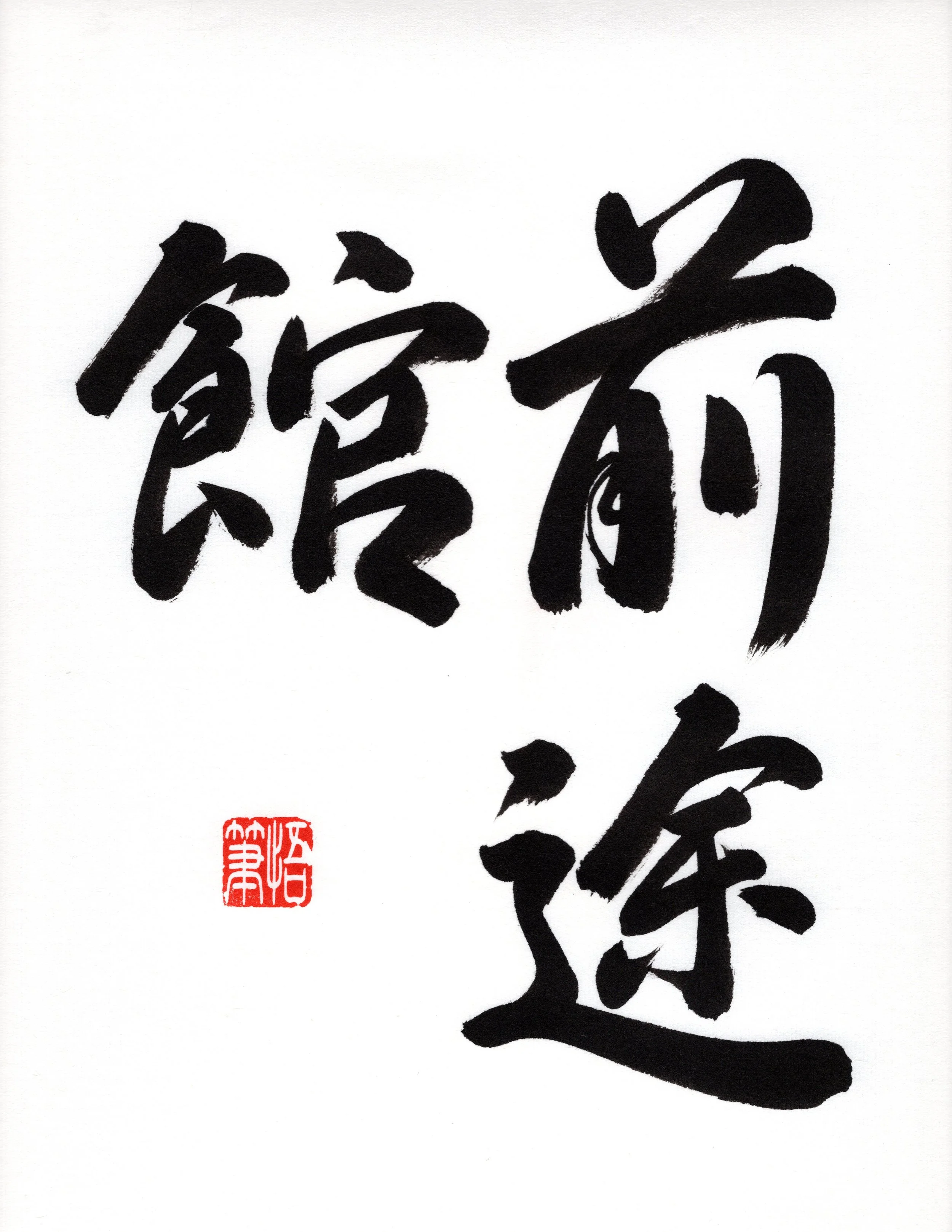
“We chose this name because the study of martial arts is a path. Zento (前途) means ‘the road ahead.’ Zentokan is ‘the home of the road ahead,’ a place for dedicated people to move forward on their journeys down the path.”
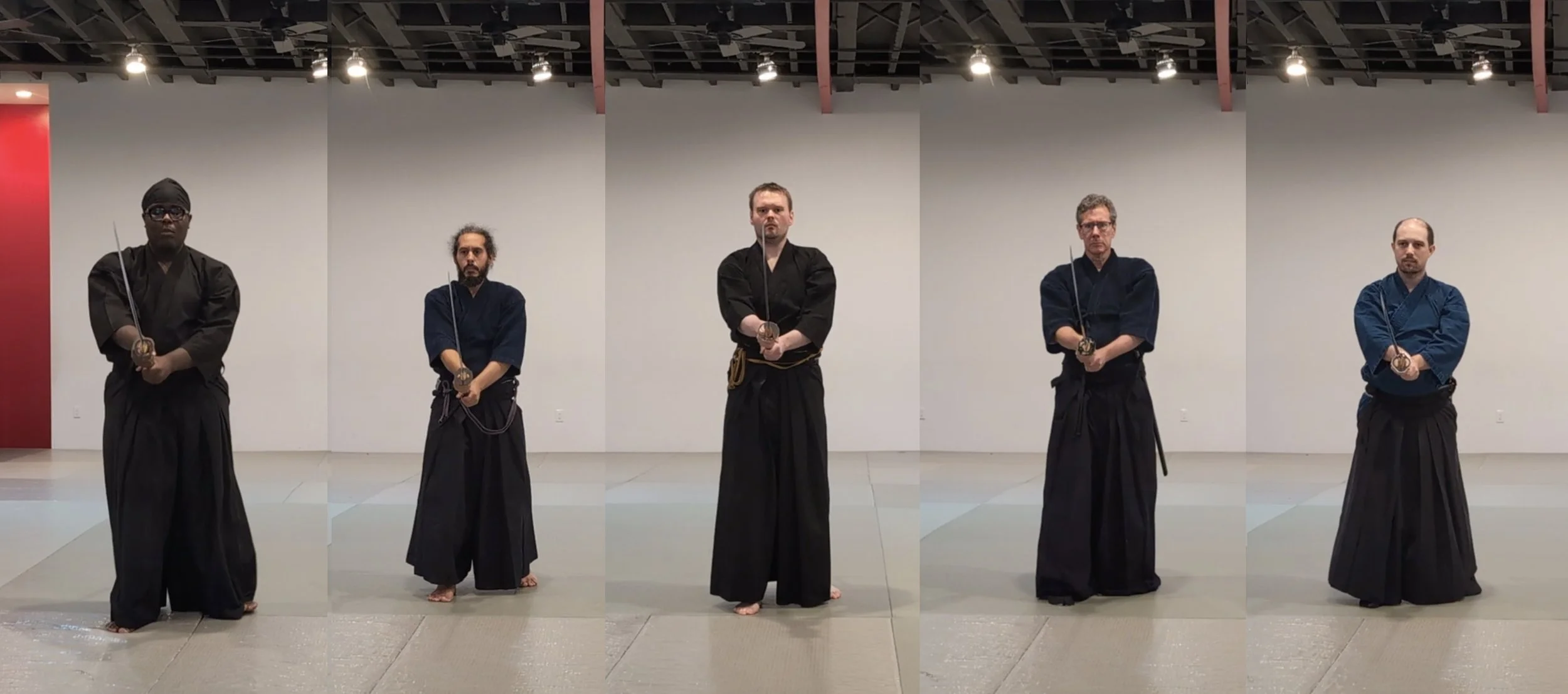
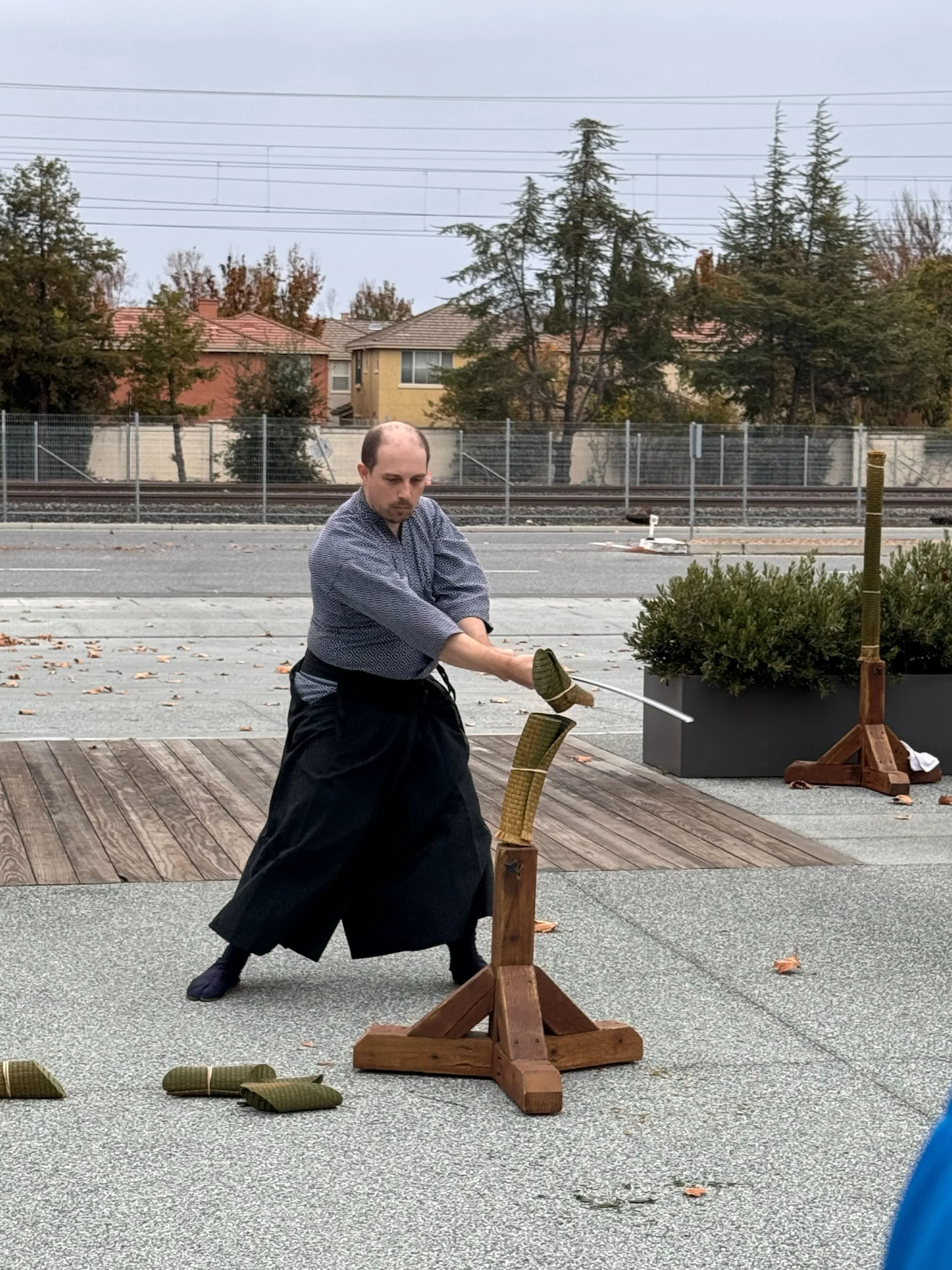
Over the last four years, our syllabus has evolved as I have found my footing and clarified my own path, and today our curriculum is truly unique in its breadth and depth. Zentokan Dojo teaches Toyama Ryu and Nakamura Ryu Battodo, authentic systems of practical kenjutsu, with connections to direct students of Nakamura Taizaburo sensei in Japan and abroad; we teach the curriculum of the US Federation of Battodo, with its focus on the technical foundations of tameshigiri and the demanding chuden kata; and under the guidance of John Evans sensei, I teach Kurikara Ryu Heiho, a comprehensive system of internal and external development rooted in the esoteric practices of shugendo. We have always focused on practical martial swordsmanship as we seek to cultivate a flexible and poised mind through training the body.
As we look to the next decade and beyond, I hope Zentokan will always be defined by its members, their generosity of spirit, and the sincerity of our training; I hope we will continue to build and sustain community among likeminded martial artists; and I hope more people will find us and then find what they're looking for on their path.
Over the last 10 years one other favorite Japanese phrase has emerged as a dojo motto: "keizoku wa chikara nari" (継続は力なり). Although it is often translated to English as “slow and steady wins the race” or something to that effect, I find the direct rendering much more poignant. It literally means "continuation is power." As long as your mind and heart are in the right place, the most important thing to do on the path is really quite simple:
Just. Keep. Going.
We will.