By Jerome Brand
Anime is one of if not the most popular foreign media to hit our shores since the days of the Kung Fu movies. In a manner similar to those films, anime has helped introduce the mysteries of martial arts to Americans, serving as both inspiration and motivation for people to learn martial arts. In this article we will take a close look at a scene from a very popular anime series, Demon Slayer, and analyze the principles that are embedded within it.
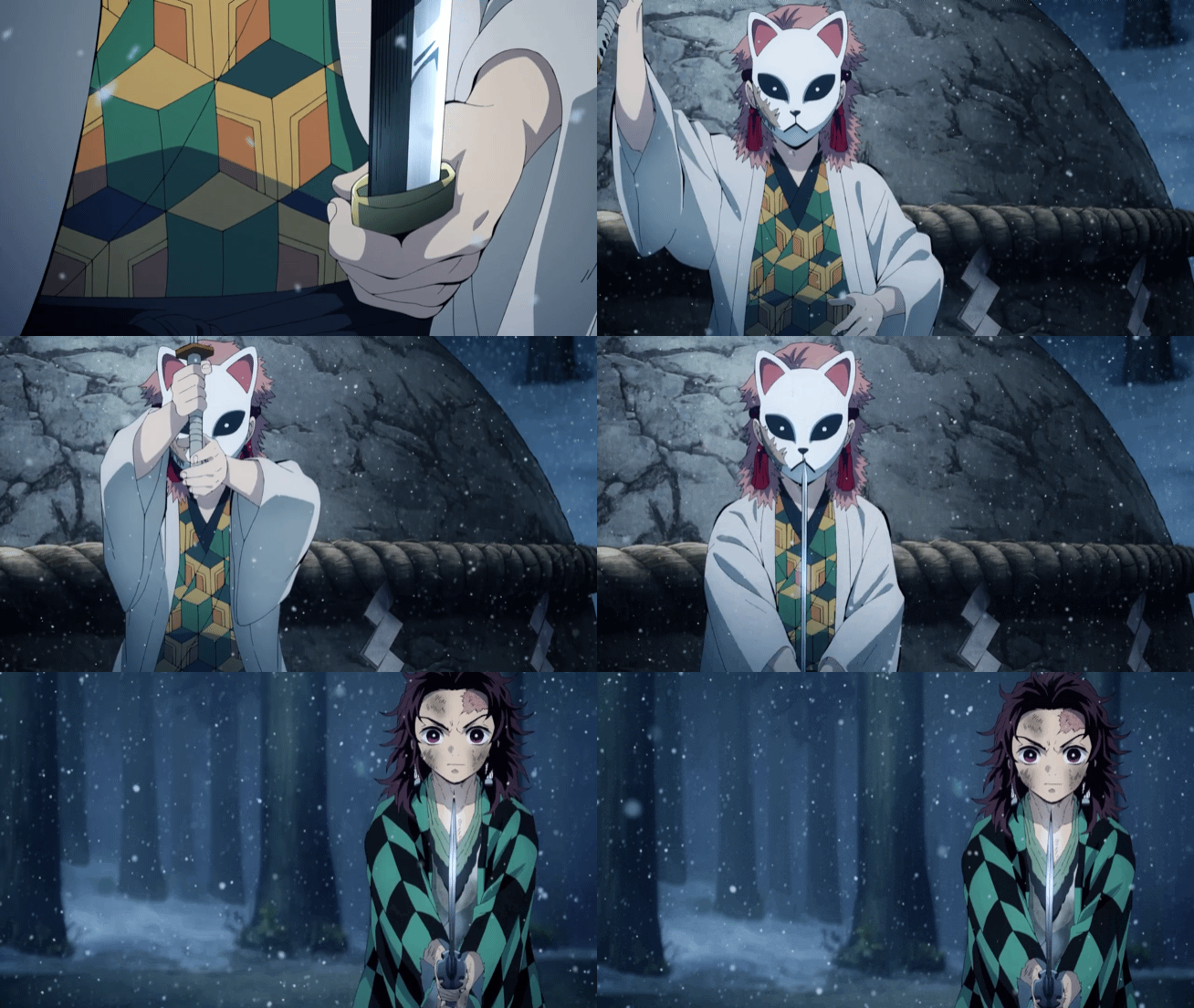
It's cold, and after 6 months of grueling sword training our protagonist, Tanjiro, is finally ready and tries to defeat the antagonist, his mysteriously masked sempai, Sabito, in combat. In their past training duels, Sabito had used a bokken however this time he’s using a shinken, signifying that this will be a final exam.
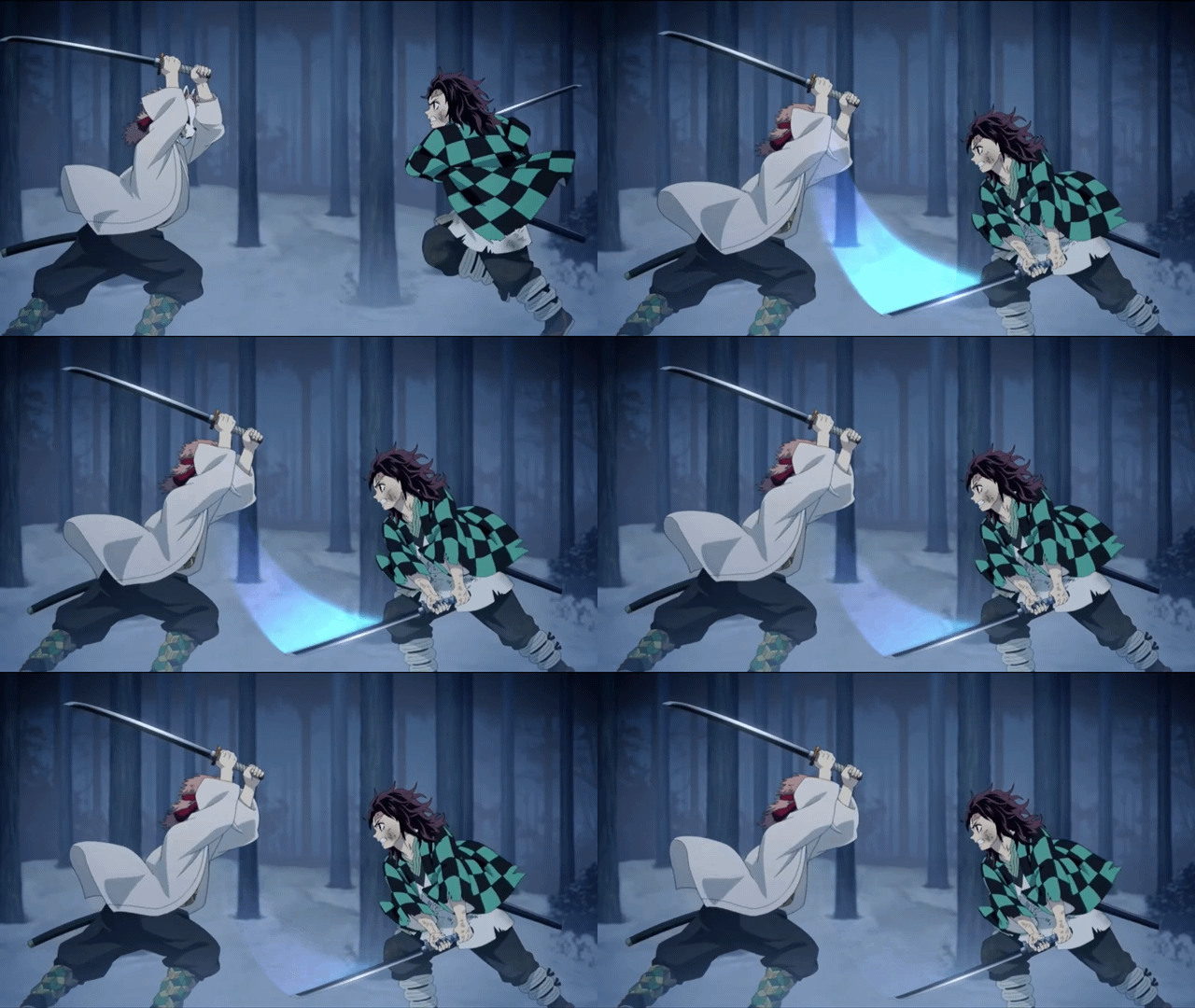
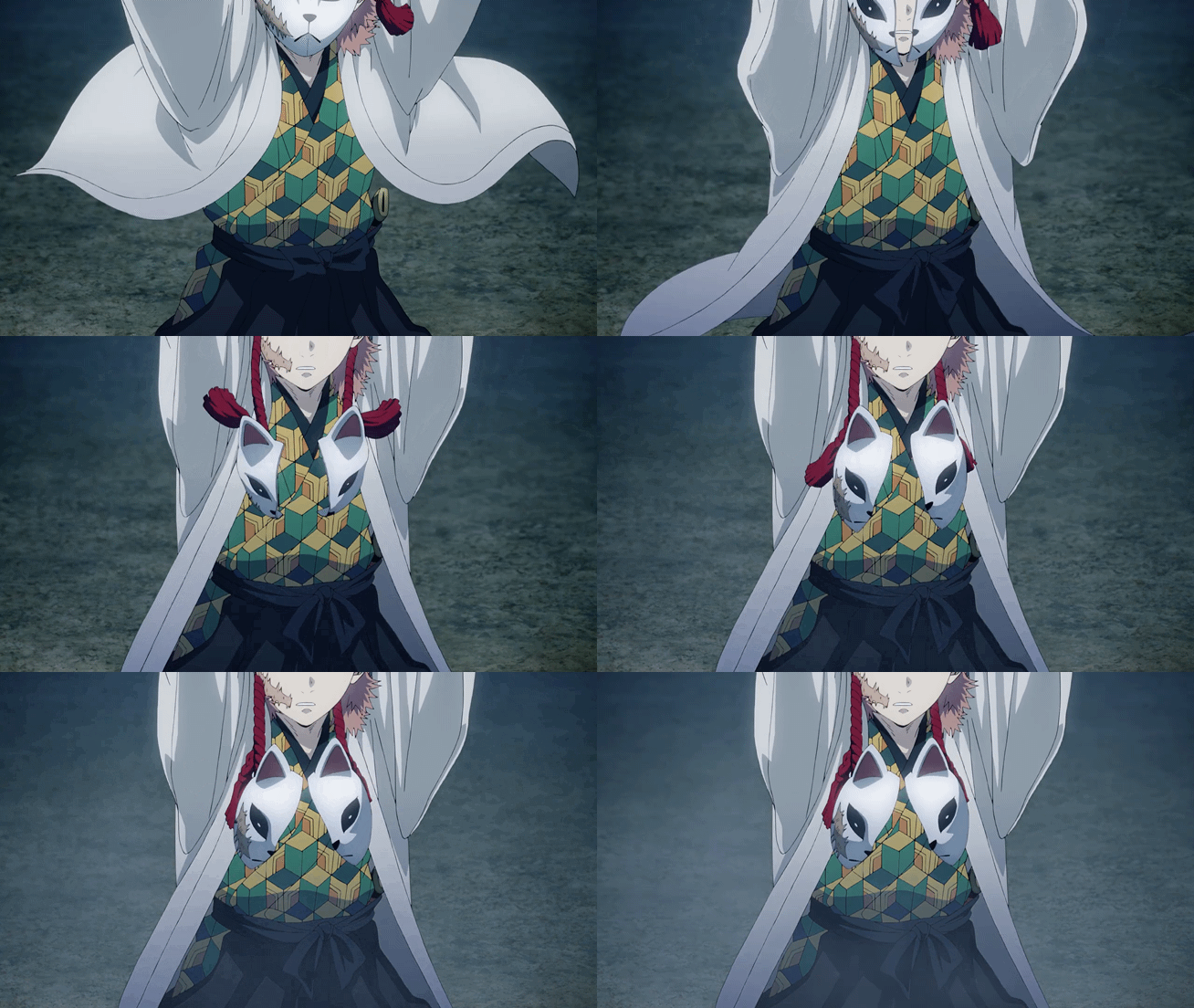
Charging forward both combatants seek to cut the other down with a single cut. However, the duel ends unexpectedly as Tanjiro's blade lands first and splits Sabito's mask in half.
So how did Tanjiro achieve the victory? The initial perception is that “Tanjiro cut faster than Sabito.” That answer isn't necessarily wrong. But there's more at work in this duel than a simple contest of speed, especially when you consider the real principles at play.
The three kenjutsu principles most prevalent in this duel are as follows:
Kamae (構え) — Stance
It doesn't sound very mystical, but Tanjiro’s character chose the more advantageous stance for the situation. The stance that Sabito chose was “Jodan no Kamae” (上段の構え), a very basic but powerful stance used to deliver very large strong cuts from overhead.
The stance that Tanjiro chose on the other hand was what we call “Hasso no Kamae” (⼋双の構え), cutting from top of the shoulder at the side of the head.
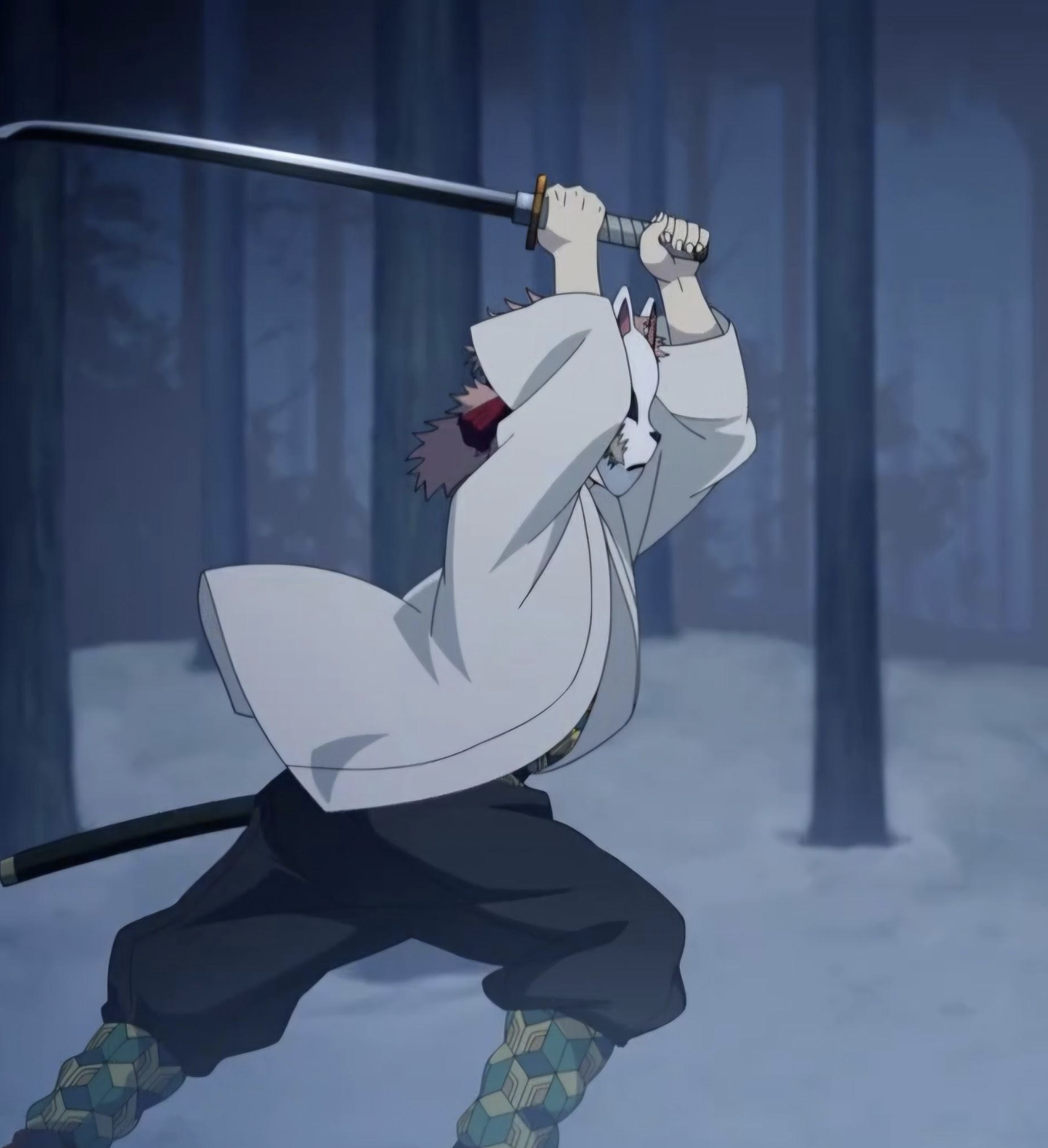
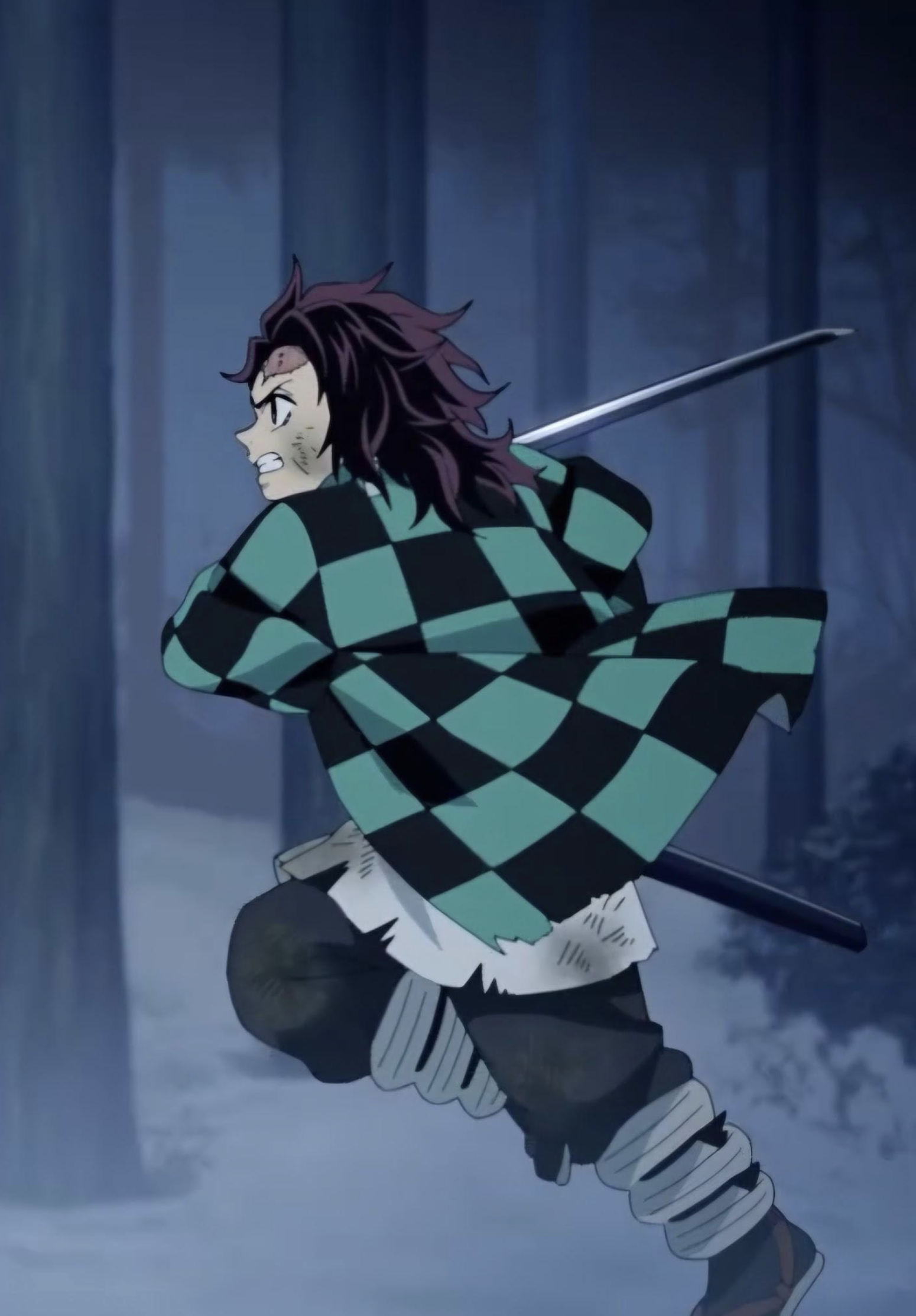
Hasso no Kamae doesn't quite have the range of Jodan no Kamae since our arms are much closer to the Torso and are bent as a result. However, in this scenario, Hasso offers greater speed to the target. Since a cut from a Hasso stance uses the springs in the front of the body and most cuts from Hasso require a step forward to move the front knee adding acceleration to the movement.
In this duel, Tanjiro and Sabito charged forward at the same time making Hasso more optimal than Jodan since the sword would have been moving slightly faster.
Speed isn't quite the reason Tanjiro defeated Sabito, as he was able to generate speed through structure. Much like the starting position of a sprinter, if he starts the race in a better position, he'll be able to use much more forward force in the legs and therefore run quicker. Speed through structure.
Maai (間合) — Spacing
Maai is the engagement distance between you and an opponent. The word refers to a combination of distance and timing. In order to win the duel, Tanjiro needed to properly calculate the distance between himself and Sabito. As noted above, Hasso no Kamae has a limited range, so Tanjiro had to be acutely aware of both their positions If Tanjiro was one step too far away, he would not have been able to land the cut on Sabito, and in the process likely would have been cut down since the greater distance would've played more to Sabito's advantage. If he was too close he wouldn't have been able to get full arm extension and thus wouldn't be able to cut.
Ma (間) — Timing
Ma or Timing is the interval, the time in between motions. Ma in the context of kenjutsu is like the rhythmic timing of a dance or song. A pattern of different motions at different times. Reading the rhythms of your opponent and even disrupting them is the essence of Ma. For Tanjiro, the cut he landed on Sabito's mask was in between the moment Sabito had committed to Jodan and the actual cut itself. The time between the decisions. This presented itself as the perfect moment to strike. If Tanjiro had waited too long, Sabito would have cut him down first or an Aiuchi (mutual strike) would have occurred with no clear victor and possibly two dead swordsmen.
Some of the best swordsmen in our style are so proficient in Ma they can even attack their opponent even before the opponent initiates an action.
The reasons why Tanjiro won the duel were that he analyzed the space and chose the most advantageous stance, and he calculated the distance between them to position himself within suitable range. Finally he struck precisely within the interval between Sabito raising into Jodan kamae and cutting.
Almost instantaneous calculations are the foundation of successful engagements in kenjutsu. As a lifelong anime fan and as a student of the sword it's always a pleasure to see realistic sword work portrayed and I hope to see more.
